
Mastering the Art of Organizing Your Family Tree: A Guide to Preserving Your Heritage
Organizing Your Family Tree: A Guide to Preserving Your Heritage
Building a family tree is a rewarding journey that allows you to uncover the rich tapestry of your ancestry. However, as your research expands and more relatives are added to your tree, keeping it organized becomes essential. Here are some tips to help you effectively organize your family tree:
Start with a Solid Foundation
Begin by gathering all the information you have about your immediate family members, such as parents, siblings, and grandparents. Create a basic outline of your family tree with this core information before branching out to more distant relatives.
Use Genealogy Software
Consider using genealogy software to manage and organize your family tree. These tools offer features like easy data entry, relationship mapping, and report generation. Popular options include Ancestry.com, Family Tree Maker, and MyHeritage.
Create Separate Branches
Organize your family tree into separate branches for different ancestral lines. This helps maintain clarity and makes it easier to trace specific lineages within your extended family.
Document Your Sources
Keep detailed records of the sources you used to gather information about each family member. This includes birth certificates, marriage records, census data, and any other relevant documents. Properly citing your sources ensures the accuracy and credibility of your research.
Add Photos and Stories
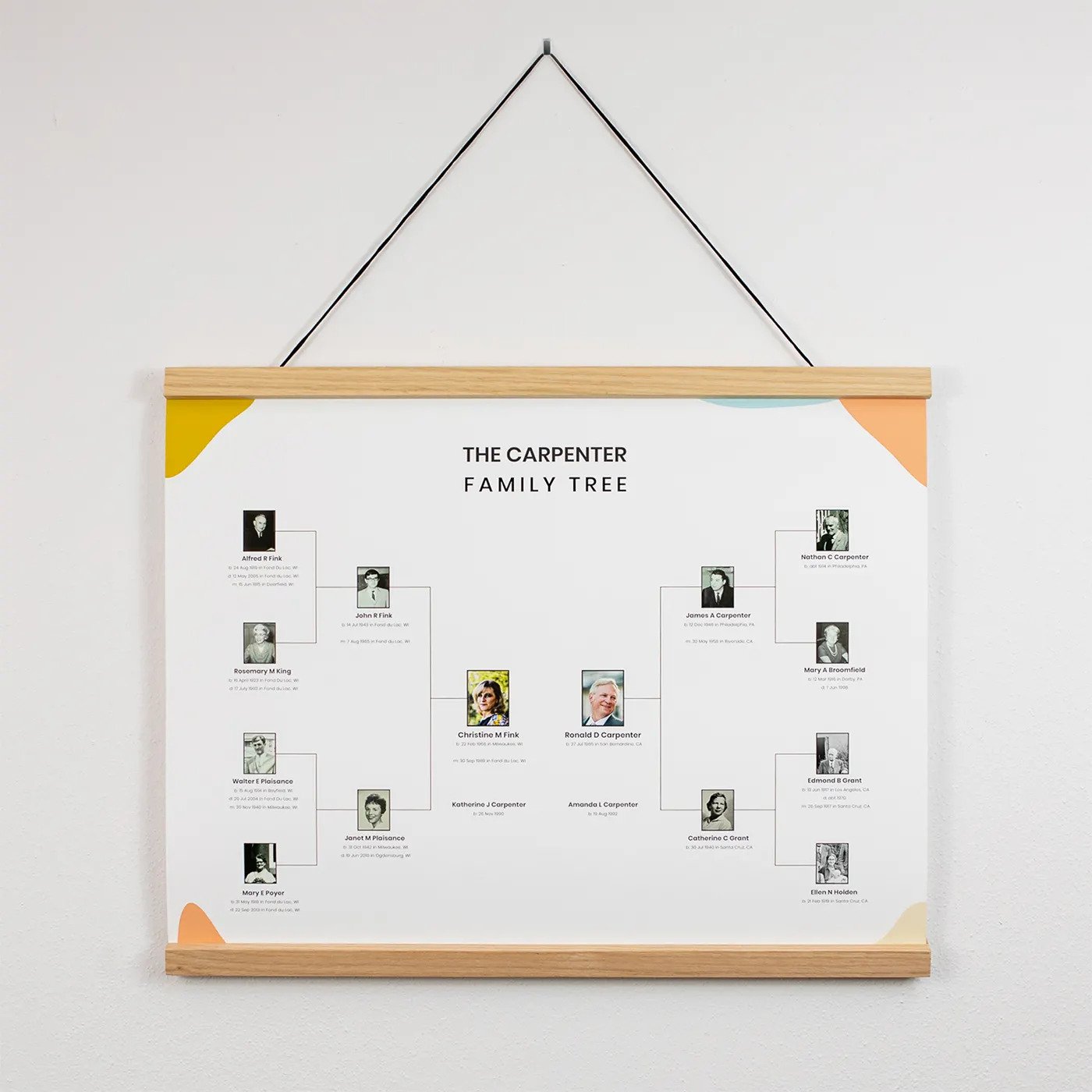
Enhance your family tree with photos and personal stories about individual family members. This not only adds depth to their profiles but also creates a more engaging experience for future generations exploring their heritage.
Maintain Regular Updates
Family trees are dynamic entities that evolve as new information is discovered. Make it a habit to regularly update and review your family tree to incorporate any recent findings or corrections.
Share Your Family Tree
Consider sharing your family tree with relatives who may be interested in exploring their own heritage. Collaborating with others can lead to new discoveries and strengthen familial connections.
By following these tips and staying organized, you can create a comprehensive and meaningful family tree that preserves the legacy of your ancestors for generations to come.
9 Benefits of Organizing a Family Tree: Connecting Generations and Discovering Heritage
- Preserves family history for future generations
- Helps you understand your roots and heritage
- Creates a sense of connection with ancestors
- Facilitates sharing and exchanging information with relatives
- Provides a visual representation of family relationships
- Encourages collaboration and bonding among family members
- Aids in identifying patterns or trends within the family lineage
- Promotes appreciation for genealogy and historical research
- Can uncover surprising or unknown facts about your family
Overcoming the Challenges of Organizing a Family Tree: Time, Complexity, and Accuracy
Preserves family history for future generations
Organizing a family tree provides a valuable benefit by preserving family history for future generations. By meticulously documenting and structuring ancestral relationships, individuals can ensure that the stories, traditions, and legacies of their ancestors are passed down accurately and comprehensively. This organized record serves as a tangible link to the past, allowing future family members to connect with their roots, understand their heritage, and appreciate the journey that has shaped their family over time. Through the preservation of family history in a structured manner, individuals can create a lasting legacy that transcends generations and fosters a sense of continuity and belonging within their familial lineage.
Helps you understand your roots and heritage
Organizing a family tree provides a profound opportunity to delve into your roots and heritage, offering valuable insights into the stories and experiences of your ancestors. By tracing your lineage and understanding the connections between generations, you gain a deeper appreciation for the cultural traditions, values, and challenges that have shaped your family over time. This exploration not only fosters a sense of identity and belonging but also allows you to pass down this knowledge to future generations, preserving a legacy that honors the past while guiding the future.
Creates a sense of connection with ancestors
Organizing a family tree creates a profound sense of connection with our ancestors, allowing us to trace our roots and understand the lives and experiences of those who came before us. By exploring the branches of our family tree, we can uncover stories, traditions, and legacies that have been passed down through generations. This connection to our ancestors not only provides a deeper understanding of our own identity but also fosters a sense of belonging and continuity with the past. Through organizing our family tree, we honor the memory of those who paved the way for us and celebrate the interconnectedness of our shared heritage.
Facilitates sharing and exchanging information with relatives
Organizing a family tree facilitates sharing and exchanging information with relatives, creating a platform for collaboration and connection. By structuring your family history in a clear and accessible manner, you enable relatives to easily access and contribute to the collective knowledge of your shared ancestry. This seamless exchange of information not only strengthens familial bonds but also opens up opportunities for new discoveries and insights as different family members bring their unique perspectives and knowledge to the table. Ultimately, a well-organized family tree serves as a valuable tool for fostering communication and preserving the heritage of your lineage across generations.
Provides a visual representation of family relationships
Organizing a family tree provides a valuable visual representation of family relationships that transcends mere names and dates. By mapping out the intricate connections between ancestors, descendants, siblings, and extended family members, a well-organized family tree offers a clear and comprehensive overview of the familial network. This visual aid not only helps individuals better understand their lineage but also fosters a sense of connection and belonging as they witness the interwoven branches of their family history come to life before their eyes.
Encourages collaboration and bonding among family members
Organizing a family tree encourages collaboration and bonding among family members by providing a shared platform for exploring and celebrating their shared heritage. As relatives come together to contribute information, stories, and photos to the family tree, they not only deepen their understanding of their ancestry but also strengthen familial connections. The collaborative effort involved in building and maintaining a family tree fosters a sense of unity and belonging among family members, creating opportunities for meaningful interactions and shared experiences that can bring generations closer together.
Aids in identifying patterns or trends within the family lineage
Organizing a family tree offers a significant advantage by aiding in identifying patterns or trends within the family lineage. By structuring and visualizing the relationships between various family members, it becomes easier to spot recurring traits, occupations, migration patterns, health conditions, or other noteworthy characteristics that may have been passed down through generations. Recognizing these patterns can provide valuable insights into familial tendencies and histories, allowing for a deeper understanding of one’s heritage and potentially uncovering connections that may have otherwise remained hidden.
Promotes appreciation for genealogy and historical research
Organizing a family tree promotes appreciation for genealogy and historical research by immersing individuals in the rich tapestry of their ancestry. As one delves into the intricate connections between generations, a deeper understanding of familial heritage and cultural background emerges. By meticulously documenting and tracing lineage, individuals develop a profound respect for the importance of preserving family history and contributing to the broader narrative of human experience. This process not only fosters a sense of connection to the past but also instills a passion for uncovering hidden stories and unraveling the mysteries that shape our identities.
Can uncover surprising or unknown facts about your family
Organizing a family tree can uncover surprising or unknown facts about your family, shedding light on hidden stories and connections that may have been forgotten over time. Through diligent research and organization, you may discover unexpected relationships, historical events involving your ancestors, or even long-lost relatives. These revelations not only add depth to your family history but also offer a sense of connection to the past and a newfound appreciation for the complexities of your heritage.
Time-Consuming
Organizing a family tree can be a time-consuming endeavor, demanding a substantial investment of time and effort. Conducting thorough research to uncover accurate information about ancestors and relatives, as well as updating the tree regularly with new discoveries, can be a daunting task. Delving into historical records, verifying sources, and ensuring the correctness of data all contribute to the time commitment required for maintaining a well-organized family tree. The meticulous nature of genealogical research means that individuals must be prepared to dedicate considerable hours to this pursuit in order to create a comprehensive and accurate representation of their familial heritage.
Complexity
One significant drawback of organizing a family tree is the complexity that arises when managing a large and extensive genealogical network. As the family tree expands to include numerous branches, relationships, and sources of information, keeping track of all these interconnected elements can become overwhelming. Juggling multiple generations, distant relatives, and various historical records can lead to confusion and challenges in maintaining accuracy and coherence within the family tree structure. The intricate web of connections within a vast family tree can pose a daunting task for genealogists, requiring meticulous attention to detail and organizational skills to effectively navigate the complexities inherent in such an expansive lineage.
Accuracy Challenges
Accuracy Challenges: Ensuring the accuracy of your family tree data can be challenging, particularly when relying on incomplete or conflicting information from various sources. Discrepancies in records, variations in spelling of names, and missing vital details can all contribute to inaccuracies in your family tree. Balancing the desire to expand your genealogical research with the need for reliable and verifiable information requires careful scrutiny and cross-referencing of sources. Overcoming these accuracy challenges is crucial to maintaining the integrity of your family tree and preserving a true reflection of your heritage.