
Exploring Your Roots: The Power of the Online Genealogical Index
The Importance of Online Genealogical Indexes
Genealogy enthusiasts and researchers around the world rely on online genealogical indexes as invaluable tools for tracing their family roots and uncovering historical connections. These digital repositories of vital records, census data, and other genealogical resources play a crucial role in simplifying the research process and expanding access to valuable information.
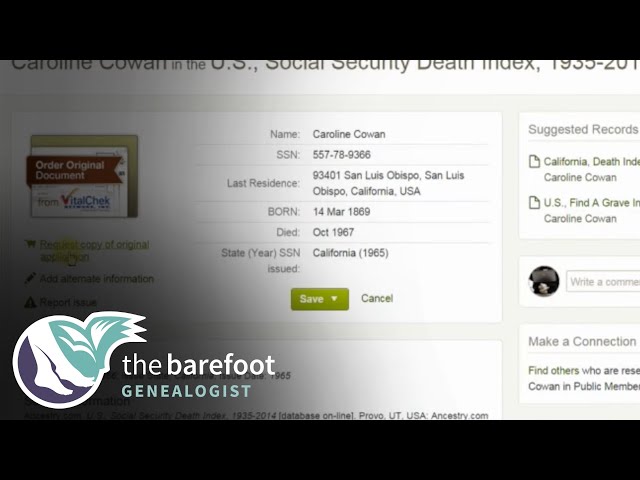
One of the key benefits of online genealogical indexes is the convenience they offer to researchers. Instead of physically sifting through countless documents in archives or libraries, individuals can now access a wealth of information from the comfort of their own homes. With just a few clicks, users can search for specific names, dates, or locations to quickly locate relevant records.
Furthermore, online genealogical indexes provide a centralized platform for organizing and categorizing vast amounts of data. By digitizing historical documents and creating searchable databases, these indexes help researchers efficiently navigate through complex records and extract pertinent details about their ancestors.
Another significant advantage of online genealogical indexes is their ability to connect individuals with distant relatives and fellow researchers. Through collaborative platforms and discussion forums, users can share findings, exchange insights, and collaborate on unraveling family mysteries. This sense of community fosters a supportive environment for genealogists to learn from each other and expand their research horizons.
In conclusion, online genealogical indexes have revolutionized the field of genealogy by making historical records more accessible and searchable than ever before. Whether you are a seasoned researcher or just beginning your journey into your family history, these digital resources offer a wealth of opportunities to explore your roots, connect with others, and preserve the legacy of generations past.
Frequently Asked Questions About Using Online Genealogical Indexes
- What is an online genealogical index?
- How can I access online genealogical indexes?
- What types of records are typically included in online genealogical indexes?
- Are online genealogical indexes free to use?
- How accurate are the search results in online genealogical indexes?
- Can I trust the information found in online genealogical indexes?
- Are there any privacy concerns associated with using online genealogical indexes?
- Do online genealogical indexes cover international records or only specific regions?
- How can I effectively utilize online genealogical indexes for my research?
What is an online genealogical index?
An online genealogical index is a digital database or catalog that serves as a comprehensive guide to genealogical records, documents, and resources available on the internet. This virtual tool allows researchers and enthusiasts to search for specific names, dates, locations, and other key information related to their family history. By indexing and organizing a wide range of historical documents such as birth certificates, census records, marriage licenses, and more, an online genealogical index simplifies the process of tracing one’s ancestry and uncovering valuable connections to the past.
How can I access online genealogical indexes?
To access online genealogical indexes, individuals can start by visiting reputable genealogy websites and databases that offer comprehensive collections of historical records. Many online platforms provide free access to basic search functions, while others may require a subscription or payment for access to premium features and additional records. Users can typically search for specific names, dates, locations, and other relevant details to locate relevant records within these indexes. Additionally, libraries, archives, and genealogical societies often have their own online portals that host valuable resources for researchers. By utilizing these digital tools and resources, individuals can embark on their genealogical journey with ease and uncover fascinating details about their family history.
What types of records are typically included in online genealogical indexes?
Online genealogical indexes typically include a wide range of records essential for tracing family histories and genealogical research. Common types of records found in these indexes often encompass vital records such as birth, marriage, and death certificates, census data detailing household information, military service records documenting veterans’ experiences, immigration and naturalization documents tracking ancestral journeys, as well as land deeds, wills, and probate records shedding light on property ownership and inheritance patterns. Additionally, church registers, newspaper archives, city directories, and passenger lists are frequently included in online genealogical indexes to provide a comprehensive view of individuals’ lives and connections across generations. By compiling diverse record types into searchable databases, online genealogical indexes offer researchers a holistic approach to uncovering their family heritage.
Are online genealogical indexes free to use?
One frequently asked question regarding online genealogical indexes is whether they are free to use. While many online genealogical indexes offer basic search functionalities and access to certain records at no cost, it’s important to note that some platforms may require a subscription or payment for full access to their databases or advanced features. Users should carefully review the terms and conditions of each website or service to understand any potential fees associated with using their resources. Additionally, some organizations may offer free access to their genealogical indexes for a limited time or provide discounts for members. Ultimately, the availability of free resources in online genealogical indexes varies depending on the platform, so it’s advisable for researchers to explore different options and choose the one that best suits their needs and budget.
How accurate are the search results in online genealogical indexes?
The accuracy of search results in online genealogical indexes can vary depending on various factors such as the quality of the data input, transcription errors, and the completeness of the original records. While these indexes strive to provide accurate and reliable information, it is important for researchers to approach the results with a critical eye and cross-reference findings with other sources whenever possible. Due diligence in verifying details, comparing multiple sources, and understanding the context of the records can help ensure the accuracy and integrity of genealogical research conducted through online indexes.
Can I trust the information found in online genealogical indexes?
When it comes to the question of trusting the information found in online genealogical indexes, caution and critical evaluation are essential. While these digital repositories provide valuable access to historical records and genealogical data, it is important to remember that not all information may be accurate or verified. Users should approach online genealogical indexes with a discerning eye, cross-referencing sources, verifying details, and corroborating findings through multiple records whenever possible. Collaborating with other researchers, seeking primary sources, and conducting thorough research are key practices to ensure the reliability and accuracy of the information gathered from online genealogical indexes.
Are there any privacy concerns associated with using online genealogical indexes?
Privacy concerns are a common topic of discussion when it comes to using online genealogical indexes. While these platforms offer valuable access to historical records and family connections, users must be mindful of the sensitive nature of personal information shared in these databases. Potential privacy risks may arise from the exposure of details such as birth dates, marriage records, and other identifying data that could be misused if accessed by unauthorized parties. It is essential for individuals utilizing online genealogical indexes to carefully review privacy policies, consider opting for private or restricted access to their family trees, and exercise caution when sharing personal information to safeguard their privacy and that of their relatives.
Do online genealogical indexes cover international records or only specific regions?
Online genealogical indexes vary in their coverage of international records, with some focusing on specific regions while others offer a more extensive collection of global data. Many online genealogical indexes provide access to records from a wide range of countries, allowing researchers to explore their ancestry beyond national borders. However, it is important for users to verify the scope of each index to determine the extent of international coverage available. Some platforms may specialize in certain regions or have limitations on the geographic areas included in their databases. By understanding the coverage of online genealogical indexes, researchers can effectively utilize these resources to uncover family connections and trace lineages across different parts of the world.
How can I effectively utilize online genealogical indexes for my research?
To effectively utilize online genealogical indexes for your research, it is essential to start by understanding the search functionalities and features of the specific index you are using. Begin by entering relevant keywords such as names, dates, and locations to narrow down your search results. Take advantage of advanced search options, filters, and Boolean operators to refine your queries and uncover hidden gems in the database. Additionally, explore different types of records available on the index, including census data, birth certificates, marriage records, and military documents, to gather comprehensive information about your ancestors. Engage with online genealogy communities and forums to seek guidance from experienced researchers and share insights with fellow enthusiasts. By approaching online genealogical indexes with a strategic search strategy and a curious mindset, you can unlock a treasure trove of family history details and enrich your genealogical journey.