
Exploring Your Roots: Navigating the World of Online Genealogy Sites
The Power of Online Genealogy Sites
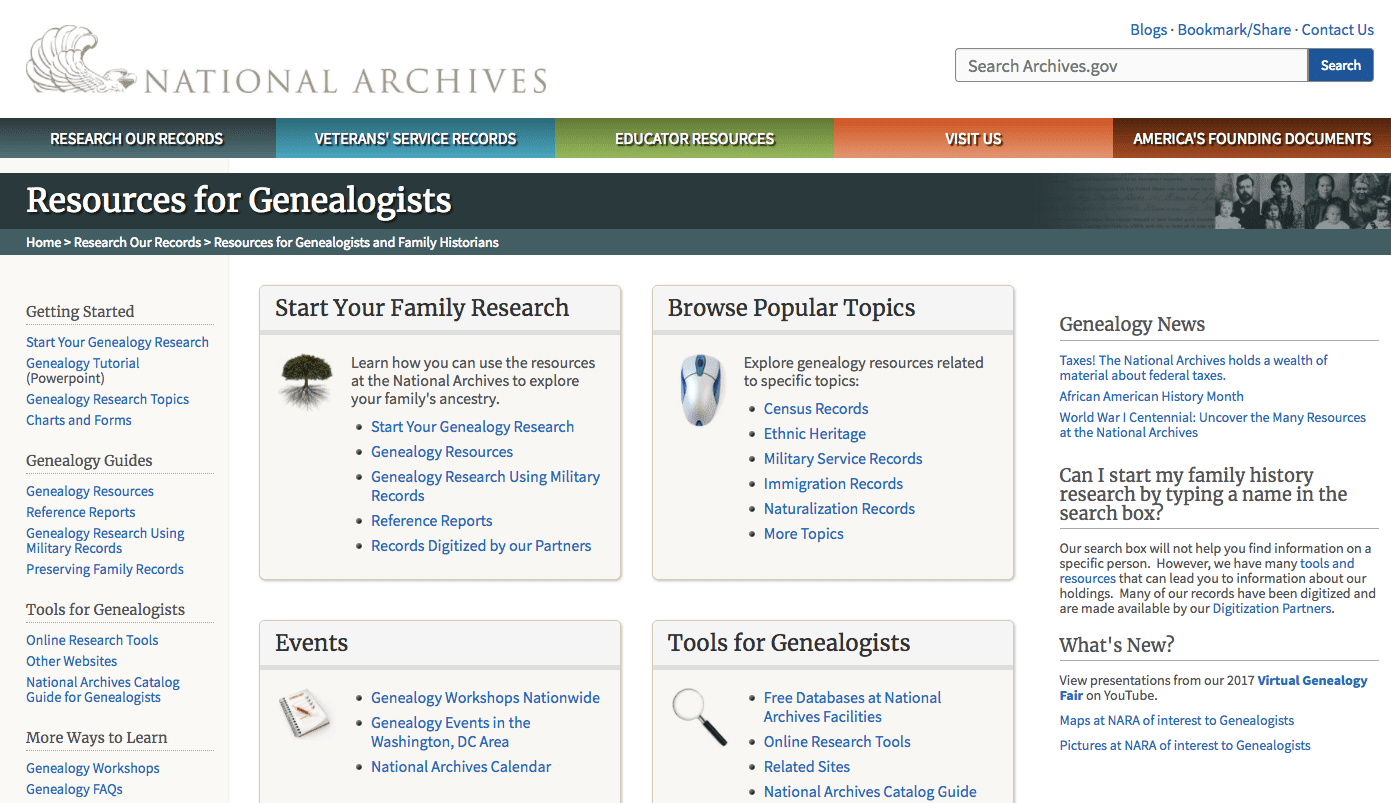
Genealogy has evolved from dusty archives and handwritten family trees to a digital age where information is just a click away. Online genealogy sites have revolutionized the way we explore our roots, connect with our past, and discover our ancestors.
These websites offer a treasure trove of resources for both amateur and professional genealogists. From digitized records and historical documents to DNA testing services and family tree builders, online platforms provide a comprehensive toolkit for tracing your lineage.
One of the key benefits of online genealogy sites is the accessibility they offer. Researchers can access vast collections of records from the comfort of their homes, eliminating the need for time-consuming visits to distant archives or libraries. Whether you’re looking for census data, birth certificates, immigration records, or military service files, these websites bring a wealth of information right to your fingertips.
Collaboration is another hallmark of online genealogy sites. Researchers can connect with others who share their interests, exchange knowledge and tips, and even collaborate on family history projects. This sense of community fosters a supportive environment where individuals can learn from each other and make breakthroughs in their research.
Furthermore, many online genealogy sites offer tools that streamline the research process. Features such as smart matching algorithms, record hints, and automated family tree suggestions help users build accurate and detailed ancestral profiles with ease. These technological advancements not only save time but also enhance the accuracy and depth of one’s genealogical research.
In conclusion, online genealogy sites have democratized access to historical records and revolutionized the way we explore our family history. Whether you’re a seasoned researcher or just starting out on your genealogical journey, these platforms provide invaluable resources, tools, and connections that can help you uncover the stories of your ancestors and create a lasting legacy for future generations.
Top 6 FAQs About Navigating Online Genealogy Sites
- 1. How can I start researching my family history online?
- 2. What are the best online genealogy sites for beginners?
- 3. Are online genealogy sites reliable sources of information?
- 4. How do DNA testing services offered by genealogy sites work?
- 5. Can I access historical records for free on genealogy websites?
- 6. Is it safe to share personal information on online genealogy platforms?
1. How can I start researching my family history online?
To begin researching your family history online, start by gathering information from your immediate family members. Record names, dates, and places of birth, marriage, and death. Next, explore free genealogy websites like FamilySearch and Ancestry.com to search for records such as census data, vital records, and immigration documents. Utilize online family tree builders to organize your findings and connect with others who may be researching the same ancestors. Consider taking advantage of DNA testing services to uncover genetic connections and ancestral origins. By leveraging these online resources and tools, you can embark on a fascinating journey to uncover your family’s unique story and heritage.
2. What are the best online genealogy sites for beginners?
When it comes to beginners venturing into the world of genealogy, the question of the best online genealogy sites often arises. Several platforms cater specifically to those starting their family history journey, offering user-friendly interfaces, helpful tutorials, and vast databases to explore. Websites like Ancestry.com, FamilySearch.org, and MyHeritage.com are popular choices for beginners due to their intuitive tools, extensive record collections, and supportive communities. These sites provide a solid foundation for newcomers to start building their family trees, uncovering ancestors’ stories, and connecting with others who share their passion for genealogy.
3. Are online genealogy sites reliable sources of information?
The reliability of information on online genealogy sites is a common concern among researchers. While these platforms offer a vast array of records and resources, it’s important to approach the data with a critical eye. The accuracy of information can vary depending on the source, transcription errors, and user-contributed content. It’s advisable to cross-reference data from multiple sources, verify details with primary documents when possible, and consider the reputation and credibility of the website hosting the information. By exercising due diligence and utilizing a combination of sources, researchers can navigate online genealogy sites effectively and make informed decisions about the reliability of the information they encounter.
4. How do DNA testing services offered by genealogy sites work?
DNA testing services offered by genealogy sites work by analyzing an individual’s genetic material to uncover information about their ancestry and familial connections. Through a simple saliva or cheek swab, these tests can provide insights into one’s ethnic origins, genetic relatives, and migration patterns of their ancestors. The DNA results are compared against a vast database of genetic profiles to identify potential matches with other users who share common genetic markers. By exploring these matches and genetic ethnicity estimates, individuals can piece together their family tree, discover unknown relatives, and gain a deeper understanding of their heritage through the scientific lens of DNA analysis.
5. Can I access historical records for free on genealogy websites?
Accessing historical records for free on genealogy websites is a common inquiry among researchers eager to delve into their family history. While many genealogy websites offer a wealth of resources and tools, the availability of historical records without cost varies across platforms. Some sites provide limited access to basic records for free, enticing users to upgrade to premium subscriptions for full access to their extensive collections. Others may offer occasional free access periods or limited-time promotions. It’s essential for researchers to explore different genealogy websites, compare their offerings, and take advantage of trial periods or free resources to determine the best fit for their research needs and budget constraints.
6. Is it safe to share personal information on online genealogy platforms?
When considering whether it is safe to share personal information on online genealogy platforms, it is important to exercise caution and be mindful of the risks involved. While these sites offer valuable resources for tracing one’s family history, sharing sensitive personal information such as birth dates, addresses, and family relationships can potentially expose individuals to privacy concerns and identity theft. It is advisable to carefully review the privacy policies of each platform, utilize secure passwords, and consider limiting the amount of detailed personal information shared online. Additionally, being selective about the details shared and being aware of who can access this information can help mitigate potential risks associated with sharing personal data on genealogy websites.