
Mastering the Art of Organizing Your Family Tree: A Comprehensive Guide
Organizing a Family Tree
Building and maintaining a family tree is a rewarding and enlightening journey into your heritage. However, as your family tree grows with more branches and connections, keeping it organized becomes crucial to make sense of the vast information you gather.
Here are some tips for organizing your family tree:
- Start with a Clear Structure: Begin by creating a simple outline of your family tree. Identify key individuals like parents, grandparents, and siblings to establish the foundation of your genealogical research.
- Use Genealogy Software: Utilize genealogy software or online platforms to input and organize your family tree data efficiently. These tools often offer features for adding details, attaching documents, and creating visual representations of your family tree.
- Categorize Information: Organize information by categories such as vital records, photos, stories, and documents. This segmentation helps in maintaining clarity and accessibility within your family tree research.
- Create Source Citations: Keep track of the sources for each piece of information you add to your family tree. Properly citing sources ensures accuracy and enables others to verify the details you’ve included.
- Regularly Update Your Tree: Set aside time periodically to update your family tree with new discoveries or corrections. Staying current with the latest information ensures that your family tree remains accurate and comprehensive.
By following these organizational tips, you can create a well-structured and informative family tree that not only preserves your heritage but also provides valuable insights into your familial connections across generations.
9 Essential Tips for Organizing Your Family Tree
- Start with yourself and work backwards in generations.
- Gather information from family members to fill in missing details.
- Use genealogy software or online platforms to create and maintain your family tree.
- Label each person clearly with their full name and relevant dates (birth, marriage, death).
- Include photos to bring your family tree to life.
- Verify information through official records like birth certificates, marriage licenses, etc.
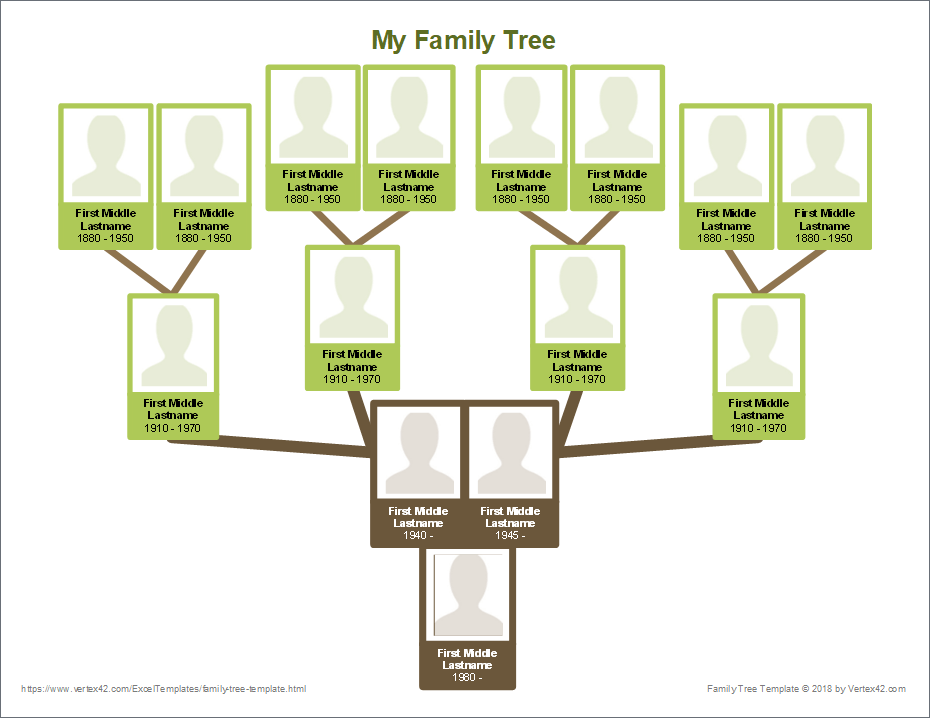
- Organize your family tree by branches or generations for clarity.
- Document sources for each piece of information to track your research.
- Regularly update and share your family tree with relatives to keep everyone informed.
Start with yourself and work backwards in generations.
When organizing a family tree, it is essential to start with yourself and work backwards in generations. By beginning with your own details and gradually tracing your lineage to earlier generations, you establish a solid foundation for your genealogical research. This approach allows you to systematically uncover connections, gather information, and build upon each generation, creating a comprehensive and accurate representation of your family history. Starting with yourself ensures that you have a clear starting point and helps you navigate the complexities of tracing your ancestors through time.
Gather information from family members to fill in missing details.
To effectively organize your family tree, a key tip is to gather information from family members to fill in missing details. By reaching out to relatives and engaging in conversations about shared ancestry, you can uncover valuable insights, stories, and connections that may not be documented elsewhere. Encouraging open communication and collaboration within your family can help bridge gaps in your family tree, enriching it with personal narratives and enhancing the depth of your genealogical research.
Use genealogy software or online platforms to create and maintain your family tree.
Utilizing genealogy software or online platforms to establish and manage your family tree is a highly effective way to streamline the organization of your genealogical research. These tools offer user-friendly interfaces for inputting detailed information about your ancestors, linking family members, and visualizing complex relationships. By leveraging genealogy software, you can easily update and expand your family tree, access valuable research tools, and collaborate with other researchers to enhance your understanding of your familial heritage. Embracing technology in this way not only simplifies the process of organizing a family tree but also ensures that your ancestral history is preserved accurately and securely for future generations to explore and appreciate.
Label each person clearly with their full name and relevant dates (birth, marriage, death).
When organizing a family tree, it is essential to label each person clearly with their full name and relevant dates, including birth, marriage, and death. By providing complete and accurate information for each individual in your family tree, you create a solid foundation for tracing lineages and understanding familial connections. Clear labeling ensures that future generations can easily follow the lineage and grasp the significance of each family member within the broader context of your genealogical research.
Include photos to bring your family tree to life.
Including photos in your family tree is a wonderful way to bring your ancestral history to life. Photographs add a visual dimension to your genealogical research, allowing you to connect faces to names and stories. By incorporating family photos into your family tree, you create a more engaging and personal representation of your lineage, making the past come alive for current and future generations. These visual elements not only enhance the aesthetic appeal of your family tree but also evoke emotions and memories that deepen your understanding and appreciation of your heritage.
Verify information through official records like birth certificates, marriage licenses, etc.
Verifying information through official records such as birth certificates, marriage licenses, and other vital documents is a crucial step in organizing a family tree with accuracy and reliability. These official records serve as primary sources of information that can confirm relationships, dates, and other essential details about your ancestors. By cross-referencing the data you gather with official documents, you can ensure the integrity of your family tree and build a solid foundation based on verified historical facts.
Organize your family tree by branches or generations for clarity.
To maintain clarity and structure in your family tree, consider organizing it by branches or generations. By grouping relatives into distinct branches or separating them by generations, you can easily visualize and understand the relationships within your extended family. This approach helps to streamline your research efforts, identify patterns across different lines of descent, and simplify the navigation of complex ancestral connections. Organizing your family tree in this manner not only enhances its readability but also facilitates a more systematic exploration of your genealogical heritage.
Document sources for each piece of information to track your research.
It is essential to document sources for each piece of information in your family tree to track your research effectively. By noting down where you obtained specific details such as birth certificates, census records, or family stories, you create a trail that not only validates your findings but also allows you to retrace your steps and verify the accuracy of your data. Documenting sources ensures transparency in your research process and helps build a reliable foundation for your family tree, enabling future generations to understand the credibility of the information presented.
Regularly update and share your family tree with relatives to keep everyone informed.
Regularly updating and sharing your family tree with relatives is essential to maintaining a cohesive and informed network of family history. By keeping everyone in the loop with the latest discoveries and additions to the family tree, you ensure that all members have access to accurate and up-to-date information about their shared heritage. This collaborative approach not only strengthens familial bonds but also encourages active participation in preserving and expanding the collective knowledge of your family’s lineage for generations to come.