
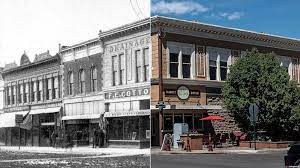
Cherishing Our Heritage: The Significance of Historic Preservation
The Importance of Historic Preservation
Historic preservation plays a crucial role in maintaining the cultural identity and heritage of a community. By safeguarding and conserving historic buildings, sites, and landmarks, we are able to connect with the past, understand our roots, and appreciate the architectural and historical significance of our surroundings.
Preserving historical structures not only honors the craftsmanship and artistry of previous generations but also contributes to the unique character and charm of a place. These buildings serve as tangible links to our history, telling stories of bygone eras and providing insight into the lives of those who came before us.
Furthermore, historic preservation can have economic benefits for communities. Restoring old buildings can revitalize neighborhoods, attract tourism, create jobs in restoration and maintenance, and increase property values. By preserving our heritage, we are investing in the cultural and economic sustainability of our cities and towns.
It is essential to recognize that historic preservation is not just about preserving physical structures; it is also about preserving memories, traditions, and identities. By protecting our historical sites, we are ensuring that future generations have the opportunity to learn from the past and continue to build upon the legacy left by those who came before us.
In conclusion, historic preservation is a vital endeavor that enriches our lives, strengthens our communities, and ensures that our shared history remains alive for generations to come.
7 Essential Tips for Successful Historic Preservation Projects
- Research the history of the building or site to understand its significance.
- Document the existing conditions through photographs, sketches, and written descriptions.
- Consult with preservation professionals to develop a conservation plan.
- Use appropriate materials and techniques for repairs and restoration work.
- Adhere to local regulations and guidelines for historic preservation projects.
- Consider sustainable practices when implementing preservation efforts.
- Educate the community about the importance of preserving historical landmarks.
Research the history of the building or site to understand its significance.
Researching the history of a building or site is a crucial step in historic preservation as it allows us to uncover the stories and significance behind its existence. By delving into the past, we gain a deeper understanding of the cultural, social, and architectural context in which the structure was built. This knowledge not only enhances our appreciation for the building but also helps us make informed decisions on how best to preserve and protect its historical value for future generations to cherish and learn from.
Document the existing conditions through photographs, sketches, and written descriptions.
Documenting the existing conditions of historical structures through photographs, sketches, and written descriptions is a crucial tip in historic preservation. By capturing these details, we create a valuable record of the building’s original features, materials, and architectural elements. This documentation not only serves as a reference for future restoration efforts but also provides insight into the building’s evolution over time. Preserving this information ensures that the unique character and historical significance of the structure are accurately represented and can guide conservation efforts to maintain its authenticity for generations to come.
Consult with preservation professionals to develop a conservation plan.
Consulting with preservation professionals to develop a conservation plan is a crucial step in ensuring the effective and sustainable preservation of historical buildings and sites. Preservation professionals possess the expertise, knowledge, and experience necessary to assess the condition of historic structures, identify conservation needs, and recommend appropriate strategies for long-term maintenance and protection. By collaborating with these experts, individuals and organizations can create comprehensive conservation plans that prioritize the preservation of architectural integrity, historical significance, and cultural value. This proactive approach not only helps safeguard our heritage for future generations but also ensures that preservation efforts are carried out thoughtfully and responsibly.
Use appropriate materials and techniques for repairs and restoration work.
When engaging in historic preservation efforts, it is essential to use appropriate materials and techniques for repairs and restoration work. By utilizing historically accurate materials and methods, we can ensure that the integrity and authenticity of the original structure are maintained. This approach not only preserves the historical significance of the building but also enhances its longevity and sustainability for future generations to appreciate and enjoy. Careful consideration of materials and techniques is key to successful preservation efforts that honor the past while ensuring the structural integrity of historic buildings.
Adhere to local regulations and guidelines for historic preservation projects.
It is crucial to adhere to local regulations and guidelines when undertaking historic preservation projects. These regulations are in place to ensure that the integrity and authenticity of historical buildings and sites are preserved during restoration or renovation efforts. By following these guidelines, we can protect the unique character and cultural significance of our heritage while also maintaining the historical accuracy of our preservation work. Compliance with local regulations not only upholds legal requirements but also demonstrates a commitment to honoring and safeguarding our shared history for future generations to appreciate and enjoy.
Consider sustainable practices when implementing preservation efforts.
When implementing preservation efforts, it is crucial to consider sustainable practices to ensure the long-term viability of historic structures and sites. By incorporating sustainable techniques such as energy-efficient upgrades, eco-friendly materials, and water conservation measures, we can minimize the environmental impact of preservation projects while preserving the integrity of historical buildings. Embracing sustainable practices not only helps reduce operational costs and carbon footprint but also ensures that our preservation efforts contribute to a more environmentally conscious and resilient future for our heritage.
Educate the community about the importance of preserving historical landmarks.
Educating the community about the significance of preserving historical landmarks is a crucial step in fostering a sense of pride and responsibility towards our shared heritage. By raising awareness about the value of these landmarks, we can inspire individuals to actively participate in their protection and conservation efforts. Through educational initiatives, workshops, and outreach programs, we can instill a deeper appreciation for the historical significance of these sites, encouraging community members to become stewards of their local history. Ultimately, by engaging and informing the public about the importance of preserving historical landmarks, we can ensure that these valuable assets remain intact for future generations to cherish and enjoy.