
Unveiling the Legacy: Exploring Family Genealogy Records
The Importance of Family Genealogy Records
Family genealogy records play a vital role in preserving our heritage and understanding our roots. These records serve as a treasure trove of information, connecting us to our ancestors and providing insights into our family history. Whether stored in ancient documents, digital archives, or passed down through generations, genealogy records offer a glimpse into the past that can shape our present and future.
One of the key benefits of family genealogy records is the sense of identity they provide. By delving into our family’s past, we can uncover stories of resilience, triumphs, and challenges that have shaped who we are today. Understanding where we come from can offer a sense of belonging and pride in our heritage.
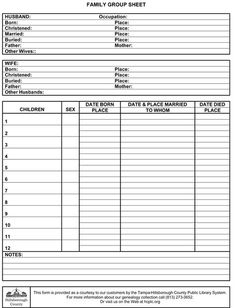
Genealogy records also serve as valuable resources for tracing lineage and building family trees. They help us establish connections between generations, identify relatives we never knew existed, and piece together the puzzle of our ancestry. Through these records, we can create comprehensive family trees that document the lives and experiences of our forebears.
Furthermore, family genealogy records hold significant historical value. They provide insights into social customs, traditions, migrations, and historical events that have influenced our family over time. By studying these records, we can gain a deeper appreciation for the struggles and triumphs of previous generations, fostering a sense of respect for their legacy.
In today’s digital age, the accessibility of genealogy records has been greatly enhanced. Online databases, DNA testing services, and genealogical websites have made it easier than ever to research and document one’s family history. These tools enable individuals to connect with distant relatives, uncover hidden branches in their family tree, and preserve their heritage for future generations.
In conclusion, family genealogy records are invaluable assets that connect us to our past and enrich our understanding of who we are. By exploring these records with curiosity and diligence, we can unlock the secrets of our ancestry and ensure that the stories of our forebears are preserved for posterity.
8 Essential FAQs for Exploring Your Family Genealogy Records
- How can I start researching my family genealogy?
- Where can I find birth, marriage, and death records for my ancestors?
- What are the best online resources for genealogy research?
- How do I create a family tree using genealogy records?
- Are there DNA testing services that can help with genealogy research?
- How can I access and interpret census records to trace my family history?
- What is the importance of preserving old family documents and photographs for genealogy research?
- Are there professional genealogists who can assist me in tracing my family’s lineage?
How can I start researching my family genealogy?
To start researching your family genealogy, begin by gathering information from your immediate family members. Interview relatives to gather names, dates, and stories about ancestors. Organize this information and create a basic family tree. Next, utilize online resources such as genealogy websites, historical records databases, and DNA testing services to expand your research. Visit local libraries, archives, and genealogical societies to access additional records and resources. Joining online forums or genealogy groups can also provide valuable guidance and support as you delve deeper into uncovering your family history. Remember that patience and persistence are key as you navigate the fascinating journey of tracing your roots through family genealogy research.
Where can I find birth, marriage, and death records for my ancestors?
When searching for birth, marriage, and death records of ancestors, a good place to start is by checking vital records offices at the local, state, or national level. Many government agencies maintain official registers of these events, providing valuable information for genealogical research. Additionally, historical societies, libraries, and online databases specializing in genealogy often house extensive collections of vital records that can help trace family lineage. Utilizing these resources and conducting thorough research can lead to uncovering the essential birth, marriage, and death records needed to piece together a comprehensive family history.
What are the best online resources for genealogy research?
When it comes to conducting genealogy research, many people often wonder about the best online resources available to aid them in their quest for family history. Several reputable websites cater to genealogists of all levels, offering access to vast databases, historical records, and tools for building family trees. Popular online resources such as Ancestry.com, FamilySearch.org, MyHeritage.com, and Findmypast.com provide a wealth of information for tracing lineage, connecting with distant relatives, and uncovering long-lost family stories. These platforms offer a user-friendly interface, robust search capabilities, and collaborative features that make them invaluable tools for anyone embarking on a journey to explore their family’s past through the convenience of the internet.
How do I create a family tree using genealogy records?
Creating a family tree using genealogy records is a rewarding journey that begins with gathering information about your ancestors. Start by collecting any existing family documents, such as birth certificates, marriage licenses, and old photographs. Utilize online genealogy databases and archives to search for historical records like census data, military records, and immigration documents. Interview relatives to gather oral history and personal anecdotes that can enrich your family tree. Organize the collected information chronologically and use genealogy software or online platforms to create a visual representation of your family tree. Continuously verify and update the information as you uncover new details, ensuring that your family tree accurately reflects the interconnected branches of your ancestry.
Are there DNA testing services that can help with genealogy research?
DNA testing services have revolutionized the field of genealogy research by providing valuable insights into one’s ancestry and familial connections. These services utilize advanced genetic analysis to trace one’s heritage, identify relatives, and uncover hidden branches in the family tree. By comparing DNA samples with databases of genetic information, individuals can discover their ethnic origins, connect with distant relatives, and validate genealogical relationships. DNA testing services offer a powerful tool for those seeking to delve deeper into their family history and unlock the mysteries of their genetic past.
How can I access and interpret census records to trace my family history?
Accessing and interpreting census records is a crucial step in tracing one’s family history. Census records provide a wealth of information about individuals and families, including names, ages, occupations, relationships, and places of residence. To access these valuable records, individuals can utilize online genealogy databases, visit local archives or libraries, or request copies from government agencies. When interpreting census records, it is essential to pay attention to details such as spelling variations, household structures, and neighboring families. By cross-referencing multiple census years and analyzing the data systematically, researchers can uncover hidden connections, track migrations, and piece together a comprehensive family history that spans generations.
What is the importance of preserving old family documents and photographs for genealogy research?
Preserving old family documents and photographs is crucial for genealogy research as they serve as invaluable windows into the past. These historical artifacts contain vital information about our ancestors, their lives, and the connections that bind us to them. By safeguarding these documents and photographs, we not only honor the legacy of those who came before us but also ensure that future generations have access to their rich history. These tangible pieces of the past provide context, stories, and details that may not be found elsewhere, offering a deeper understanding of our family’s roots and enabling us to construct a more comprehensive family tree. In essence, preserving old family documents and photographs is a way of safeguarding our heritage and passing down a legacy that will continue to inspire and connect generations to come.
Are there professional genealogists who can assist me in tracing my family’s lineage?
Yes, there are professional genealogists who specialize in assisting individuals in tracing their family’s lineage. These experts possess the knowledge, skills, and resources to conduct thorough research, analyze historical records, and uncover connections that may be challenging for individuals to find on their own. Professional genealogists can provide tailored guidance, expertise in deciphering complex genealogical information, and access to specialized databases and archives. Whether you are just beginning your genealogical journey or seeking assistance with a specific aspect of your family history research, enlisting the help of a professional genealogist can greatly enhance your efforts in unraveling the mysteries of your ancestry.