
Unveiling the Power of Genealogy Visualization Tools
Exploring Genealogy Visualization Tools
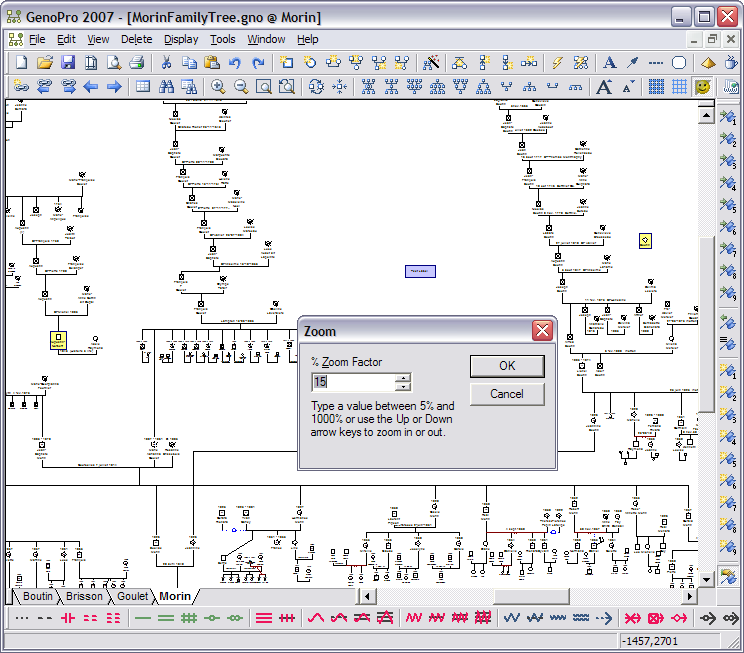
Genealogy visualization tools have revolutionized the way we explore and understand our family history. These innovative tools offer a visual representation of complex genealogical data, making it easier for researchers to uncover connections, patterns, and stories within their family tree.
One popular type of genealogy visualization tool is the interactive family tree. These tools allow users to create and navigate their family tree in a dynamic and engaging way. By clicking on individual nodes or branches, users can access detailed information about specific ancestors, relationships, and events.
Another powerful genealogy visualization tool is the timeline feature. Timelines help researchers track the chronological order of key events in their ancestors’ lives, providing a clear overview of important milestones such as births, marriages, and deaths.
Some advanced genealogy visualization tools also offer mapping capabilities. By plotting ancestral locations on a map, researchers can visualize migration patterns, ancestral homelands, and geographical connections that may have influenced their family history.
Overall, genealogy visualization tools provide a multidimensional view of our family history, allowing us to uncover hidden stories and connections that may have been overlooked in traditional research methods. Whether you’re a seasoned genealogist or just starting your journey into the past, these tools can enhance your research experience and bring your family history to life in new and exciting ways.
Exploring Family History: 8 Common Questions About Genealogy Visualization Tools
- What are genealogy visualization tools?
- How can genealogy visualization tools help in exploring family history?
- What types of visualizations can be created using genealogy visualization tools?
- Are there interactive features available in genealogy visualization tools?
- Can genealogy visualization tools track multiple generations of a family tree?
- Do genealogy visualization tools offer collaboration options for sharing research with others?
- Are there mapping capabilities in genealogy visualization tools to show ancestral locations?
- How user-friendly are genealogy visualization tools for beginners?
What are genealogy visualization tools?
Genealogy visualization tools are specialized software or applications designed to visually represent complex genealogical data in a more accessible and interactive format. These tools offer innovative ways to explore and analyze family trees, relationships, and ancestral connections through dynamic charts, graphs, timelines, and maps. By utilizing genealogy visualization tools, researchers can gain valuable insights into their family history, uncover hidden patterns, track migration routes, and better understand the intricate web of relationships that define their ancestral lineage. These tools serve as powerful aids in organizing and presenting genealogical information in a visually engaging manner, making it easier for individuals to navigate through generations of ancestors and discover the stories that shape their heritage.
How can genealogy visualization tools help in exploring family history?
Genealogy visualization tools play a crucial role in exploring family history by providing a visual roadmap that simplifies the complexities of ancestral connections and historical data. These tools offer a user-friendly interface for organizing and navigating family trees, enabling researchers to uncover relationships, patterns, and trends within their genealogical data. By visually representing ancestral information through interactive family trees, timelines, and maps, genealogy visualization tools facilitate a deeper understanding of one’s heritage, making it easier to identify gaps in research, discover new insights, and share findings with others. Overall, these tools serve as invaluable aids in piecing together the puzzle of our past and preserving the rich tapestry of family history for future generations.
What types of visualizations can be created using genealogy visualization tools?
Genealogy visualization tools offer a wide range of visualizations to help researchers explore and understand their family history in a more engaging and comprehensive way. Some common types of visualizations that can be created using these tools include interactive family trees, which allow users to navigate through generations and view detailed information about individual ancestors, relationships, and events. Timelines are another popular visualization type that helps track the chronological order of key events in ancestors’ lives. Additionally, mapping features enable researchers to plot ancestral locations on a map, revealing migration patterns and geographical connections within their family tree. These visualizations not only enhance the research process but also provide valuable insights into the intricate tapestry of one’s genealogical heritage.
Are there interactive features available in genealogy visualization tools?
Genealogy visualization tools often offer a range of interactive features to enhance the user experience and facilitate a deeper exploration of family history. These tools may include interactive family trees that allow users to navigate through generations, click on individual nodes for more information, and add or edit details about ancestors. Additionally, interactive timelines enable users to track significant events in their ancestors’ lives, providing a dynamic way to visualize historical data in chronological order. With these interactive features, genealogy visualization tools empower researchers to engage with their family history in a more immersive and personalized manner, making the journey of discovery both informative and captivating.
Can genealogy visualization tools track multiple generations of a family tree?
Genealogy visualization tools are designed to track multiple generations of a family tree, making it easier for researchers to explore and understand their ancestral lineage across various time periods. These tools allow users to navigate through different branches of their family tree, view relationships between ancestors spanning several generations, and uncover connections that may not be immediately apparent in traditional genealogical research. By providing a comprehensive overview of a family’s history over time, genealogy visualization tools offer valuable insights into the intricate web of relationships that define our heritage.
Do genealogy visualization tools offer collaboration options for sharing research with others?
Genealogy visualization tools often provide collaboration options for sharing research with others, making it easier for researchers to connect with family members, distant relatives, and fellow genealogists. These tools typically offer features that allow users to invite others to view and contribute to their family tree, enabling a collaborative effort in uncovering and expanding ancestral information. By sharing research findings, exchanging insights, and working together on common ancestors, users can enhance their understanding of their family history and create a more comprehensive and accurate representation of their genealogical heritage.
Are there mapping capabilities in genealogy visualization tools to show ancestral locations?
Mapping capabilities are a common feature in genealogy visualization tools that allow users to showcase ancestral locations on a geographical map. By utilizing mapping functionalities, researchers can visually represent migration patterns, ancestral homelands, and the spread of their family tree across different regions. This interactive approach not only enhances the understanding of ancestral movements but also provides valuable insights into how geographical factors have influenced family history over generations.
How user-friendly are genealogy visualization tools for beginners?
Genealogy visualization tools vary in user-friendliness for beginners, depending on the specific tool and its features. Some tools are designed with intuitive interfaces and step-by-step guides, making them accessible to users with little to no experience in genealogy research. These beginner-friendly tools often offer simple navigation, drag-and-drop functionality, and helpful prompts to assist users in creating and exploring their family tree. On the other hand, more advanced visualization tools may have a steeper learning curve, requiring users to familiarize themselves with complex features and settings. However, with practice and patience, beginners can gradually adapt to these tools and unlock their full potential for uncovering and visualizing their family history.