
Unveiling the Power of Family Tree Open Source Software
The World of Family Tree Open Source Software
Family tree research has become increasingly popular in recent years, with many people eager to uncover their roots and connect with their ancestors. One valuable tool that has revolutionized genealogy is family tree open source software.
Open source software provides users with the freedom to access, modify, and distribute the code, making it a collaborative and community-driven resource for building family trees. Here are some key benefits of using family tree open source software:
- Cost-Effective: Most open source software is free to use, making it accessible to individuals on any budget.
- Customization: Users have the flexibility to tailor the software to their specific needs and preferences.
- Community Support: Open source projects often have active communities that provide assistance, share tips, and collaborate on improving the software.
- Data Privacy: Users can maintain control over their genealogical data without relying on third-party services.
There are several popular family tree open source software options available today, each offering unique features and tools for researching and documenting family histories. Some well-known examples include:
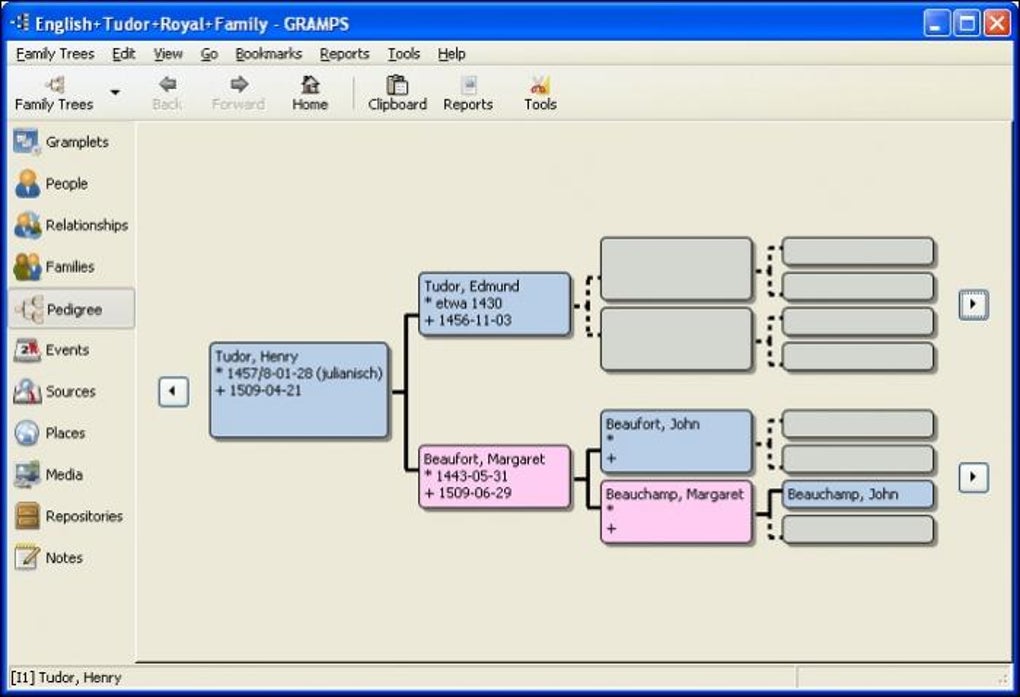
- Gramps: A robust and user-friendly program that allows users to create detailed family trees, track relationships, and generate reports.
- Ancestris: An open-source genealogy program that supports multiple languages and offers a variety of charting options for visualizing family connections.
- Kiwix: A free offline reader for web content that can be used to access genealogical information without an internet connection.
If you’re interested in delving into your family history or expanding your existing research efforts, exploring family tree open source software can be a rewarding experience. With its cost-effective nature, customizable features, and supportive community, open source software offers a powerful platform for uncovering your ancestral roots.
8 Essential Tips for Choosing the Best Family Tree Open Source Software
- Research and compare different family tree open source software options to find one that meets your specific needs.
- Ensure the software has features for adding and organizing detailed information about individuals, such as dates of birth, marriage, and death.
- Look for tools that allow you to easily create visual representations of your family tree, such as charts and graphs.
- Choose a software with collaboration capabilities so multiple family members can contribute to the family tree.
- Check if the software offers options for importing and exporting data to easily transfer information between platforms.
- Read user reviews and tutorials to understand how user-friendly the software is and if it provides good support resources.
- Consider the longevity and community support of the software to ensure it will be maintained and updated in the future.
- Regularly back up your data to prevent loss of important family history information.
Research and compare different family tree open source software options to find one that meets your specific needs.
When delving into the realm of family tree open source software, it is essential to conduct thorough research and compare various options to identify the one that aligns best with your specific requirements. By exploring and evaluating different software programs, you can pinpoint features that cater to your genealogical goals, such as customizable templates, robust reporting capabilities, or user-friendly interfaces. Taking the time to research and compare ensures that you select a family tree open source software that not only meets but exceeds your expectations, empowering you to delve deep into your family history with efficiency and precision.
Ensure the software has features for adding and organizing detailed information about individuals, such as dates of birth, marriage, and death.
When selecting family tree open source software, it is essential to prioritize platforms that offer robust features for adding and organizing detailed information about individuals. Look for software that allows you to input crucial data points such as dates of birth, marriage, and death. By having the ability to record and organize this vital information, you can create a comprehensive family tree that accurately reflects the lives and relationships of your ancestors. Choosing software with these features ensures that your genealogical research is thorough, well-organized, and rich in historical detail.
Look for tools that allow you to easily create visual representations of your family tree, such as charts and graphs.
When exploring family tree open source software, it is essential to seek out tools that offer the capability to effortlessly generate visual representations of your family tree. Features like interactive charts and graphs can provide a clear and engaging overview of your genealogical connections, making it easier to comprehend and share your family history with others. By utilizing these visualization tools, you can enhance your understanding of relationships, spot patterns, and present your findings in a visually appealing manner, adding depth and clarity to your ancestral research journey.
Choose a software with collaboration capabilities so multiple family members can contribute to the family tree.
When selecting family tree open source software, consider opting for a platform with collaboration capabilities to facilitate the collective effort of multiple family members in building and expanding the family tree. By choosing software that supports collaboration, individuals can invite relatives to contribute their knowledge, share insights, and collectively enrich the family history repository. This collaborative approach not only fosters a sense of shared ownership and connection among family members but also ensures a more comprehensive and detailed representation of the family’s genealogy through the combined contributions of multiple perspectives.
Check if the software offers options for importing and exporting data to easily transfer information between platforms.
When exploring family tree open source software, it is essential to check if the program offers options for importing and exporting data. This feature enables users to seamlessly transfer information between different platforms, ensuring that genealogical data remains accessible and organized across various tools. By having the ability to import and export data, users can easily collaborate with others, switch between software applications, and safeguard their research efforts for future generations.
Read user reviews and tutorials to understand how user-friendly the software is and if it provides good support resources.
To make the most of your experience with family tree open source software, it is essential to read user reviews and tutorials. By doing so, you can gain valuable insights into the user-friendliness of the software and assess the availability of support resources. User reviews offer firsthand accounts of other users’ experiences, highlighting strengths and potential challenges of the software. Additionally, tutorials can provide guidance on navigating the features and functionalities of the program effectively. Taking the time to review user feedback and educational materials can help you choose a software that aligns with your needs and ensures a smooth genealogical research process.
Consider the longevity and community support of the software to ensure it will be maintained and updated in the future.
When exploring family tree open source software, it is essential to consider the longevity and community support of the program to guarantee its maintenance and updates in the future. Opting for software with a strong and active community ensures that there will be ongoing development, bug fixes, and enhancements to keep the tool relevant and functional over time. By choosing a software solution backed by a dedicated community, users can have confidence in its sustainability and continued support for their genealogical research endeavors.
Regularly back up your data to prevent loss of important family history information.
Regularly backing up your data is a crucial step in safeguarding your valuable family history information when using family tree open source software. By creating backups of your research and documentation, you can protect against unforeseen events such as data corruption or hardware failure that could lead to the loss of important genealogical details. Implementing a consistent backup routine ensures that your family tree remains secure and accessible, preserving the legacy of your ancestors for future generations to cherish and explore.