
Navigating Your Genealogy Journey: Maximizing Results with a Research Log Form
The Importance of Using a Genealogy Research Log Form
Genealogy research can be a complex and time-consuming process that involves sifting through numerous records, documents, and sources. To stay organized and efficient in your research endeavors, utilizing a genealogy research log form is essential.
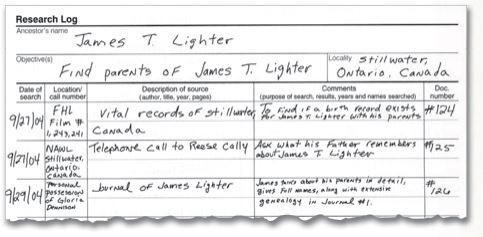
A genealogy research log form is a structured document that allows you to record details about the sources you have consulted, the information you have found, and the next steps in your research. By maintaining a detailed log form, you can track your progress, avoid duplicating efforts, and ensure accuracy in your findings.
One of the key benefits of using a genealogy research log form is its ability to provide clarity and structure to your research process. By documenting each source you explore and the relevant details you uncover, you create a roadmap that helps you navigate through the vast landscape of genealogical information.
Moreover, a research log form enables you to keep track of unanswered questions, potential leads, and areas that require further investigation. This proactive approach not only enhances the efficiency of your research but also empowers you to build upon previous findings and make meaningful connections in your family tree.
Additionally, maintaining a genealogy research log form promotes accountability and credibility in your work. By documenting your sources and methodology, you establish transparency in your research process and allow others to verify and replicate your findings with confidence.
In conclusion, incorporating a genealogy research log form into your genealogical pursuits is an invaluable practice that can streamline your efforts, enhance the quality of your research, and contribute to a more robust understanding of your family history. Embrace the power of organization and documentation by utilizing a structured log form in your genealogy journey.
6 Essential Tips for Maintaining an Effective Genealogy Research Log
- Include a detailed description of each source you consult.
- Record the date when you accessed each source.
- Document the specific information you are looking for in your research log.
- Organize your research log chronologically or by family line to easily track progress.
- Make note of negative search results to avoid duplicating efforts in the future.
- Regularly review and update your research log to stay organized and focused.
Include a detailed description of each source you consult.
When maintaining a genealogy research log form, it is crucial to include a detailed description of each source you consult. By documenting specific information about the sources, such as the title, author, publication date, repository location, and relevance to your research, you create a comprehensive record that not only aids in tracking your progress but also ensures clarity and transparency in your methodology. Describing each source in detail not only helps you retrace your steps and verify your findings but also enables other researchers to follow your path and build upon your discoveries with confidence.
Record the date when you accessed each source.
Recording the date when you accessed each source is a crucial tip when maintaining a genealogy research log form. By noting the date of access, you create a chronological record of your research journey, which can be invaluable for tracking progress, identifying patterns in your search efforts, and ensuring the timeliness and relevance of the information you gather. This practice not only adds context to your findings but also helps you stay organized and accountable in your genealogical pursuits.
Document the specific information you are looking for in your research log.
When maintaining a genealogy research log form, it is crucial to document the specific information you are seeking in your research endeavors. By clearly outlining the details, names, dates, locations, and other pertinent data that you are searching for, you not only focus your research efforts but also create a roadmap for success. Documenting the specific information you seek helps streamline your research process, avoid distractions, and ensure that your findings align with your objectives. This practice enhances efficiency, accuracy, and clarity in your genealogical pursuits, ultimately leading to more meaningful discoveries and connections within your family history.
Organize your research log chronologically or by family line to easily track progress.
Organizing your genealogy research log chronologically or by family line is a valuable tip that can significantly enhance your tracking progress. By structuring your log in a chronological order, you create a clear timeline of your research activities, making it easier to follow the evolution of your findings over time. Alternatively, organizing your log by family line allows you to focus on specific branches of your family tree, facilitating a more targeted and efficient approach to tracking progress. Whether you choose a chronological or family line-based organization, adopting this strategy will help you stay organized, identify patterns more effectively, and ultimately advance your genealogical research with greater precision and clarity.
Make note of negative search results to avoid duplicating efforts in the future.
When maintaining a genealogy research log form, it is crucial to make note of negative search results to prevent duplicating efforts in the future. Documenting unsuccessful searches or dead-ends can save valuable time and resources by steering you away from revisiting unfruitful paths. By acknowledging what has already been explored without success, you can focus your energy on new leads and avenues of research, ultimately advancing your genealogical journey more efficiently and effectively.
Regularly review and update your research log to stay organized and focused.
Regularly reviewing and updating your genealogy research log is a crucial tip to maintain organization and focus in your research endeavors. By revisiting your log regularly, you can track your progress, identify any gaps or inconsistencies in your findings, and prioritize the next steps in your research journey. This practice not only ensures that you stay on track with your genealogical investigations but also allows you to adapt and refine your research strategy as new information emerges. Keeping your research log current and comprehensive empowers you to make informed decisions, connect the dots more effectively, and ultimately uncover the rich tapestry of your family history with clarity and precision.