
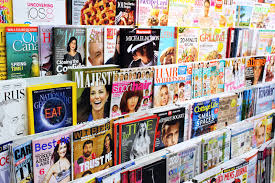
Stories, Ideas, and Information in Every Issue
Magazines: Stories, Ideas, and Information in Every Issue
Magazines bring together articles, photographs, illustrations, and commentary around subjects that matter to their readers. Published on a regular schedule, they offer a focused look at topics ranging from history and science to fashion, business, hobbies, and local life. Whether printed on paper or read online, magazines help people discover new ideas and explore familiar interests in greater depth.
A Brief History of Magazines
Magazines developed as printing became more accessible and readers sought publications that covered a variety of subjects. Early periodicals often included essays, news, literature, and practical advice. Over time, magazines became more specialized, serving particular communities and interests. Improvements in printing and photography made it possible to include striking images and more polished layouts, helping magazines become an important part of everyday culture.
Today, magazines appear in many formats. Print editions remain popular with readers who enjoy collecting and browsing physical issues, while websites, digital editions, and email newsletters make articles available on phones, tablets, and computers. Many publications use a mix of these formats to reach their audiences.
Different Kinds of Magazines
Some magazines cover a broad range of current events and cultural topics. Others focus on a specific subject, such as gardening, travel, cooking, health, sports, or technology. Professional and trade magazines share industry news and guidance with people in particular fields. Local and regional magazines highlight the people, events, businesses, and history of a community.
Special-interest magazines can be especially valuable because they connect readers with detailed information and others who share their interests. A publication devoted to family history, for example, might feature research tips, historical records, personal stories, and updates from genealogical organizations.
What Makes a Magazine Engaging?
A successful magazine understands its audience and offers content that readers find useful, informative, or enjoyable. Articles may explain a subject, tell a personal story, present an interview, or provide practical instructions. Strong editing helps make information clear and trustworthy, while thoughtful design guides readers through each issue.
Magazines also create a sense of continuity. Regular issues give readers something to look forward to and allow a publication to follow a subject over time. A series of articles can explore a topic from multiple angles, while recurring features can give a magazine a recognizable character.
Magazines in the Digital Age
Digital publishing has changed how magazines are produced and read. Online publications can update stories quickly, include audio or video, and link to additional resources. Digital archives also make past issues easier to search. At the same time, print magazines offer a slower, hands-on reading experience that many people continue to appreciate.
Each format has its strengths. Print can be easy to browse and preserve, while digital editions offer portability and quick access. The choice often depends on a reader’s preferences, the publication’s subject, and how the content is used.
Why Magazines Still Matter
Magazines remain a meaningful way to share knowledge, preserve stories, and bring readers together around common interests. They can introduce audiences to new perspectives, document changes in society, and keep local or specialized subjects in view. Whether discovered at a library, saved in a personal collection, or read online, a magazine can turn curiosity into deeper understanding.
5 Essential Tips for Choosing and Managing Your Magazines
- Choose magazines that match your interests.
- Check the publication date for current information.
- Compare subscription prices before you buy.
- Store magazines in a cool, dry place.
- Recycle or share issues when you’re done.
Choose magazines that match your interests.
Choose magazines that match your interests to make reading more enjoyable and worthwhile. Whether you love history, cooking, travel, science, or local stories, a publication focused on topics you care about can keep you curious and introduce you to new ideas. Consider browsing a sample issue or reading a few articles before subscribing to find a magazine whose style and coverage suit you.
Check the publication date for current information.
Check a magazine’s publication date before relying on its information, especially for topics that change quickly, such as health, technology, travel, or current events. An older article may contain outdated facts, recommendations, prices, or contact details. For the most current guidance, compare the article with recent sources and look for an updated edition or online version.
Compare subscription prices before you buy.
Before subscribing to a magazine, compare prices from the publisher, subscription services, and digital platforms. Check how many issues are included, whether the advertised rate applies only to the first term, and what renewal will cost. Also consider shipping fees and whether print, digital, or a bundle best suits your reading habits. A quick comparison can help you find the best value and avoid unexpected charges.
Store magazines in a cool, dry place.
Store magazines in a cool, dry place to help protect them from moisture, heat, and direct sunlight. Damp conditions can lead to mold or mildew, while excessive heat and sunlight may cause pages to yellow, warp, or fade. Keep issues flat or upright with support, and avoid storing them in basements, attics, or other areas where temperatures and humidity fluctuate.
Recycle or share issues when you’re done.
When you’ve finished reading a magazine, pass it along to a friend, family member, library, waiting room, or community center so someone else can enjoy it. If the issue is worn out or no longer useful, recycle it according to your local guidelines. Sharing or recycling magazines helps reduce waste and gives each issue a little more life.