
The Best Way to Search Genealogy: A Practical Guide to Finding Your Family History
The Best Way to Search Your Family Genealogy
Family history research can begin with a simple question: Who were my ancestors, and what can I learn about their lives? The most reliable way to find answers is to start with what you know, work backward one generation at a time, and support each conclusion with records.
Start with Your Family
Write down what you already know about yourself, your parents, grandparents, and other relatives. Record full names, nicknames, dates and places of birth, marriage and death, and any stories your family has shared. Mark uncertain details as clues rather than facts.
Talk with relatives, especially older family members, while you can. Ask open-ended questions about where the family lived, who their friends and neighbors were, what work they did, and whether they remember family migrations or traditions. With permission, scan or photograph family letters, certificates, photographs, and documents. Label each image with the names, dates, places, and source, if known.
Work Back One Generation at a Time
Choose one person to research and establish the key facts of that person’s life before moving to the previous generation. A birth record, for example, may identify parents; a marriage record may give ages or residences; and a death record may point to a birthplace or burial location. Verify these clues before adding new people to your family tree.
This step-by-step approach helps prevent a common mistake: attaching your family to someone with the same name who lived in a different place or time.
Search for Records in a Useful Order
Look for records that were created close to the event they describe. Original records and contemporary documents are often more dependable than later summaries, though every source can contain errors. Useful records include:
- Vital records: Birth, marriage, and death certificates, registrations, and indexes.
- Census records: Federal and state census schedules that can show household members, ages, birthplaces, occupations, and neighbors.
- Church records: Baptisms, marriages, burials, and membership lists, especially where civil records are missing.
- Land and probate records: Deeds, wills, and estate files that can identify relatives, property, and community connections.
- Military records: Draft registrations, service files, pension applications, and veterans’ records.
- Newspapers and cemetery records: Obituaries, notices, burial information, and accounts of local events.
- Immigration and naturalization records: Passenger lists, passports, and citizenship papers that may help trace a family’s origins.
Availability varies by place and time period. If a record is not online, check county courthouses, libraries, historical societies, state archives, church offices, and genealogy societies. Local collections may include materials that have never been digitized.
Search Strategically
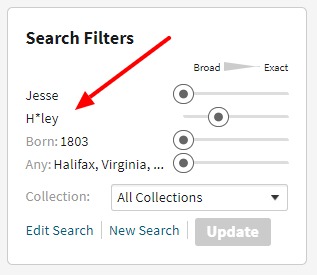
Names can appear in many forms. Try alternate spellings, initials, nicknames, middle names, and phonetic variations. Search with and without a middle name, and consider that a person’s age or birthplace may be recorded inaccurately. For women, search under both birth and married surnames when appropriate.
Use dates and places as guides, not rigid limits. If an expected record does not appear, broaden the date range and search nearby towns or counties. Families often crossed county and state boundaries, and records may be held where an event occurred rather than where the family later lived.
Keep Track of Sources and Findings
For every fact, note where it came from. Record the document or database name, the person’s name as it appears, the place and date, and any page, certificate, or image number. Save a copy or link when possible. A simple research log can list what you searched, what you found, and what to try next.
Keeping sources makes it easier to revisit your work, compare evidence, and share your conclusions with relatives. It also helps distinguish a documented fact from a family story or an online tree entry.
Compare Evidence Before Drawing Conclusions
Do not rely on a single record when important details conflict. Compare multiple sources, consider who supplied the information, and ask how close that person was to the event. A death certificate may provide a useful birthplace, for instance, but the informant may not have known the deceased’s parents’ names accurately.
Online family trees can offer helpful leads, but their information should be checked against records. Treat other people’s conclusions as suggestions until you can identify the evidence behind them.
Use DNA as One More Clue
DNA testing may help identify biological connections, but it does not replace documentary research. Match results can be difficult to interpret, and unexpected findings may raise sensitive family questions. Review a testing service’s privacy settings and terms before submitting a sample, and contact DNA matches respectfully.
Protect Family Information
Be thoughtful when sharing information about living people. Ask permission before posting private photographs, personal details, or family stories online. Public records and historical documents can contain sensitive information too, so consider how it may affect relatives before publishing it.
Make Research a Steady Practice
The best genealogy search is patient, organized, and evidence-based. Begin with relatives and records already close at hand, follow each clue carefully, and document what you learn. When you reach a difficult question, a local genealogical society, library, or archive may be able to suggest records specific to the area.
Every well-supported discovery adds more than a name to a family tree. It helps reveal the places, relationships, and experiences that shaped a family’s history.
8 Essential Tips for Effective Genealogy Research
- Start with yourself and work backward one generation at a time.
- Ask relatives for names, dates, places, and family stories.
- Check birth, marriage, death, census, and immigration records.
- Search using alternate spellings and nicknames.
- Record sources for every fact you find.
- Compare multiple records before accepting a detail.
- Organize files and notes by person and family branch.
- Protect living relatives’ privacy when sharing research.
Start with yourself and work backward one generation at a time.
Start your genealogy research with yourself, then work backward one generation at a time. Record the facts you know firsthand, such as your birth date and place, and look for documents that support them. Next, research your parents, then your grandparents, using records and family interviews to verify each connection before moving on. This step-by-step approach helps keep your family tree accurate and reduces the risk of confusing relatives with people who share similar names.
Ask relatives for names, dates, places, and family stories.
One of the best ways to begin your genealogy search is to talk with relatives and ask what they remember about your family. Gather names, important dates, and places connected to births, marriages, deaths, and family moves, and invite relatives to share stories about the people behind those details. Ask follow-up questions, note who provided each piece of information, and treat memories as valuable clues to verify with records. With permission, save copies of photographs, letters, and documents that may help guide your research.
Check birth, marriage, death, census, and immigration records.
Check birth, marriage, death, census, and immigration records to build a clearer picture of your family’s history. These documents can reveal important details such as dates and places, parents’ names, household members, occupations, and when ancestors arrived in a new country. Compare information across multiple records, since details may vary or contain errors, and use each confirmed fact to guide your next search.
Search using alternate spellings and nicknames.
When searching genealogy records, try alternate spellings, nicknames, initials, and phonetic versions of a person’s name. Clerks may have written names as they heard them, and relatives might have used a middle name or informal nickname in some records. Searching several variations can uncover census entries, vital records, newspaper notices, and other documents that a search for the standard spelling might miss.
Record sources for every fact you find.
Record the source for every fact you find in your genealogy research. Note where the information came from, including the record or collection name, date, location, page or certificate number, and a link or image when available. This makes it easier to verify details, compare conflicting evidence, and return to a record later. It also helps distinguish documented facts from family stories or information copied from someone else’s tree, making your research more reliable and useful to future generations.
Compare multiple records before accepting a detail.
Compare multiple records before accepting a detail about an ancestor. Documents can contain mistakes, and the person who provided the information may not have known it firsthand. Check important facts—such as names, dates, relationships, and places—against several independent sources, and note where the records agree or differ. This careful approach helps you build a more accurate family history and avoid repeating errors.
Organize files and notes by person and family branch.
Organize your genealogy files and research notes by person and family branch so you can quickly find records and see how each discovery fits into the bigger picture. Use consistent folder names, such as an ancestor’s full name and birth year, and keep digital copies, citations, and research logs together. A clear system also helps prevent mix-ups between relatives with similar names and makes it easier to share your findings with family members.
Protect living relatives’ privacy when sharing research.
When sharing genealogy research, take care to protect the privacy of living relatives. Avoid posting sensitive details—such as full birth dates, home addresses, contact information, or private family stories—without permission. Check the privacy settings of family trees and websites, and consider sharing information about living people only with trusted relatives. A little care helps preserve family trust while allowing you to share the past responsibly.