
Genealogy’s Guide to Discovering and Preserving Family History
Genealogy’s Power to Connect Us With the Past
Genealogy is the study of family history and the relationships between generations. It can begin with a simple question—Where did my family come from?—and grow into a rewarding journey through records, memories, and local history. Along the way, researchers often discover not only names and dates, but also the stories and circumstances that shaped their families.
More Than Names on a Family Tree
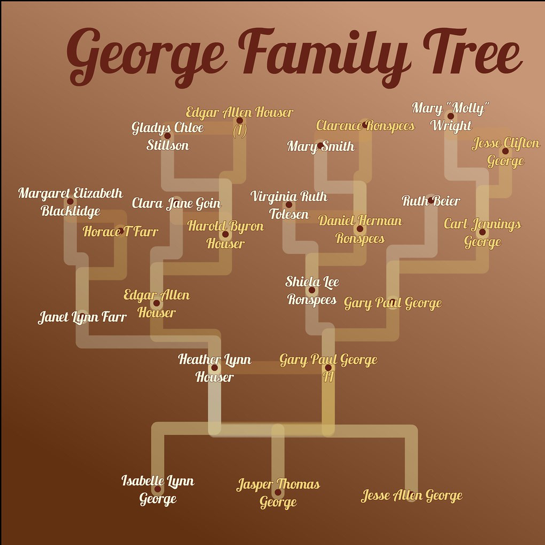
A family tree offers a helpful way to organize relationships, but genealogy is about more than filling in boxes. Census records, birth and death certificates, marriage records, obituaries, land documents, photographs, letters, and family stories can reveal how people lived and how their lives connected to the wider community.
For families with roots in a particular town or county, local history can add important context. A newspaper notice, church register, school record, or county history may help explain where an ancestor lived, what work they did, and what events affected their community.
How to Begin Your Research
The best place to start is with what you already know. Write down the names, dates, and places remembered by relatives, and ask family members to share stories or look through old photographs and documents. Record where each piece of information came from, even when it comes from a conversation with a relative.
Next, work backward one generation at a time. Look for records that support each connection rather than relying on family trees found online. Online databases can be valuable, but information posted by others may contain errors or lack documentation. Whenever possible, consult the original record or a reliable image or transcription of it.
Research With Care
Genealogical research often involves people with similar names, incomplete records, and conflicting dates. Keep track of both what is known and what remains uncertain. Compare multiple sources, note differences, and avoid treating a plausible guess as a proven fact.
It is also important to handle family information thoughtfully. Some discoveries may involve sensitive experiences or living relatives’ private details. Respecting privacy and sharing information with care helps make family history work considerate as well as accurate.
Preserving Stories for the Future
Documents and photographs can be fragile, so store them in a cool, dry place away from direct sunlight. Make digital copies when possible, and include notes identifying the people, places, and dates shown. A photograph without context may become difficult for future generations to understand.
Oral history is another valuable resource. Record relatives’ memories with their permission, ask open-ended questions, and preserve their words as accurately as possible. Even everyday recollections can reveal details that official records leave out.
A Shared Journey
Genealogy can be pursued independently, but it is often enriched by sharing questions and discoveries with others. Local genealogical societies, libraries, historical organizations, and archives may offer guidance, research materials, and opportunities to learn from fellow researchers. Collaboration can help uncover new sources and strengthen the stories families preserve.
Every family history is part of a larger human story. By researching carefully, preserving evidence, and sharing memories, genealogists help connect generations and keep the past meaningful for the future.
5 Essential Genealogy Tips for Tracing Your Family History
- Start with what your family already knows.
- Record names, dates, and places carefully.
- Cite a source for every fact.
- Search census records and vital records.
- Back up your research in more than one place.
Start with what your family already knows.
Start your genealogy research with what your family already knows. Ask relatives to share names, dates, places, photographs, and stories, and write down where each detail came from. Even small clues—such as a nickname, an old address, or a family Bible—can point you toward useful records and help you build a more accurate family history, one generation at a time.
Record names, dates, and places carefully.
Record names, dates, and places carefully as you research your family history. Write down each person’s full name, including maiden names and alternate spellings, and note dates and locations as precisely as possible. Keep track of where each detail came from, such as a birth certificate, census record, family letter, or interview. Careful notes help distinguish relatives with similar names, make it easier to verify information, and give you a clear path for continuing your research.
Cite a source for every fact.
Cite a source for every fact you record in your genealogy research. Add a citation beside each name, date, place, or relationship, and note where you found the information—such as a birth certificate, census record, newspaper, family letter, or interview. Clear citations help you verify details, spot conflicting evidence, and show others how you reached a conclusion. They also make it easier for future researchers to revisit your work and build on it with confidence.
Search census records and vital records.
Search census records and vital records to build a reliable timeline of your family’s history. Census records can reveal where relatives lived, who was in their household, and details such as age, birthplace, and occupation. Birth, marriage, and death records may provide exact dates and places, as well as parents’ names and other family connections. Because records can contain mistakes or conflicting information, compare details across multiple sources and note where each fact came from.
Back up your research in more than one place.
Back up your genealogy research in more than one place to protect years of work from computer failures, accidental deletion, or other unexpected problems. Keep a copy on an external hard drive or flash drive, and save another in a secure cloud storage service or separate location. Include your family tree, notes, scanned documents, and source citations, and update your backups regularly so your latest discoveries are protected.