
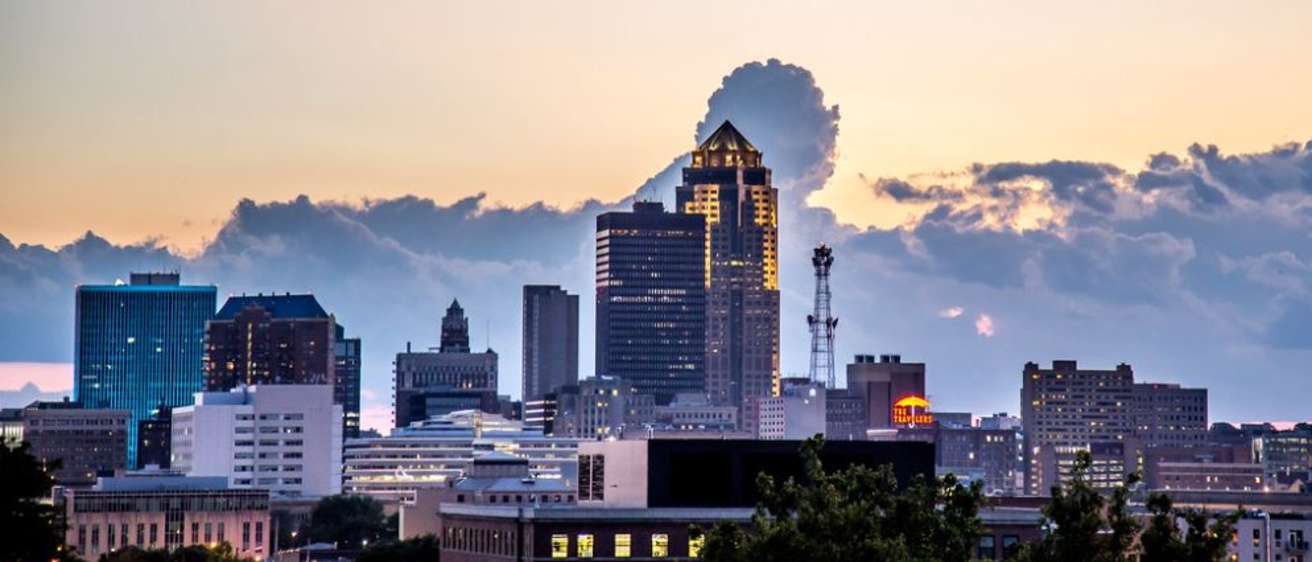
Discover Des Moines: Iowa’s Capital City and Cultural Hub
Des Moines: Iowa’s Capital City
Des Moines is the capital and largest city of Iowa, located near the center of the state at the meeting of the Des Moines and Raccoon rivers. Known for its welcoming neighborhoods, cultural attractions, and connection to Iowa’s agricultural heritage, the city combines the energy of a regional hub with an approachable Midwestern feel.
A Brief History
Des Moines grew along the rivers that shaped early travel, trade, and settlement in the region. The city was incorporated in 1851, and Iowa’s state government moved there from Iowa City in 1857. Today, its history is visible in landmarks such as the Iowa State Capitol, whose gold-colored dome rises above downtown.
Arts, Culture, and Attractions
The city offers a range of museums, performance venues, and public art. The Des Moines Art Center features modern and contemporary works, while the Pappajohn Sculpture Park brings large-scale sculptures to an open-air setting downtown. The East Village, a historic district east of the Des Moines River, is known for its independent shops, restaurants, and restored buildings.
Families and curious visitors can explore the Science Center of Iowa, the Greater Des Moines Botanical Garden, and Blank Park Zoo. The Iowa State Fair, held each year in August, is one of the state’s best-known events, bringing together agriculture, food, entertainment, exhibits, and competitions.
Outdoor Life
Des Moines has parks and trails for walking, cycling, and enjoying the outdoors. The Principal Riverwalk connects parts of downtown along the riverfront, and the broader regional trail network links neighborhoods and nearby communities. In warmer months, residents and visitors often gather in parks, attend outdoor events, and explore the city by bike.
Work and Community
As Iowa’s political and commercial center, Des Moines is home to state government and a diverse range of employers. Insurance and financial services have long played an important role in the local economy, alongside education, health care, technology, and agriculture-related industries. The city also has a growing food scene, with restaurants reflecting both Iowa traditions and a range of international influences.
Discover Des Moines
Whether visiting the Capitol, browsing the East Village, attending a festival, or spending time on the trails, Des Moines offers many ways to experience Iowa. Its mix of civic landmarks, arts and culture, outdoor spaces, and community events makes it a distinctive destination in the heart of the state.
6 Reasons to Love Des Moines, Iowa
- Iowa’s lively capital city
- Rich arts and cultural scene
- Beautiful parks and riverfront trails
- Home to the iconic Iowa State Fair
- Friendly, welcoming community
- Great mix of history and modern amenities
4 Drawbacks of Living in Des Moines
- Cold, snowy winters and humid summers.
- Public transit is limited, so a car is often useful.
- Fewer major attractions than larger cities.
- Nightlife options can feel limited.
Iowa’s lively capital city
Des Moines, Iowa’s lively capital city, offers a welcoming mix of culture, entertainment, and Midwestern charm. Visitors and residents can explore the gold-domed State Capitol, enjoy art and performances, discover local restaurants and shops, or stroll along riverfront trails. With festivals and community events throughout the year, Des Moines brings the energy of a growing city to the heart of Iowa.
Rich arts and cultural scene
Des Moines offers a rich arts and cultural scene, with something for a wide range of interests. Visitors can explore contemporary works at the Des Moines Art Center, see outdoor sculptures in the downtown Pappajohn Sculpture Park, and enjoy concerts, theater, and performances at venues throughout the city. Local galleries, festivals, and cultural events add to the mix, giving residents and visitors plenty of opportunities to experience art and connect with the community.
Beautiful parks and riverfront trails
Des Moines makes it easy to enjoy the outdoors, with beautiful parks and riverfront trails woven into the city. Visitors and residents can stroll or bike along scenic paths beside the Des Moines River, relax in green spaces, and take in views of the water and downtown. These welcoming outdoor areas offer a refreshing break from city life and create inviting places to exercise, spend time with family, or simply enjoy Iowa’s changing seasons.
Home to the iconic Iowa State Fair
Des Moines is home to the iconic Iowa State Fair, one of the state’s most beloved annual traditions. Each August, visitors gather to enjoy agricultural exhibits, live music, carnival rides, local crafts, and classic fair foods. The event celebrates Iowa’s farming heritage while bringing together families and communities from across the state and beyond.
Friendly, welcoming community
Des Moines is known for its friendly, welcoming community, where newcomers and visitors can feel at home. Residents often take pride in supporting local businesses, neighborhood events, and community organizations, creating plenty of opportunities to connect with others. Whether enjoying a festival, exploring a neighborhood, or striking up a conversation at a local café, people can experience the warm Midwestern hospitality that helps make Des Moines a pleasant place to live and visit.
Great mix of history and modern amenities
Des Moines offers a great mix of history and modern amenities, giving visitors and residents plenty to appreciate. Historic landmarks such as the Iowa State Capitol and the city’s restored neighborhoods reflect its past, while contemporary restaurants, shops, museums, and entertainment venues add modern appeal. This blend makes it easy to explore Iowa’s heritage while enjoying the conveniences and experiences of a lively capital city.
Cold, snowy winters and humid summers.
Des Moines experiences a wide range of weather, which can be a drawback for some residents. Winters are often cold and snowy, sometimes bringing icy roads and difficult commutes, while summers can feel hot and humid. These seasonal extremes may limit outdoor activities and make comfortable weather harder to find for much of the year.
Public transit is limited, so a car is often useful.
Public transit in Des Moines is limited compared with that of larger cities, and service may not reach every neighborhood or destination conveniently. Visitors and residents who need to travel beyond well-served routes may find that trips take longer or require extra planning, so having access to a car is often useful.
Fewer major attractions than larger cities.
One drawback of Des Moines is that it has fewer major attractions than larger cities. Visitors may find a smaller selection of world-famous museums, landmark destinations, and large-scale entertainment options, so the city can offer less variety for those seeking a packed itinerary. While Des Moines has appealing local museums, parks, and cultural events, travelers looking for a broader range of big-city experiences may need to look elsewhere.
Nightlife options can feel limited.
Although Des Moines has bars, restaurants, live music venues, and occasional nightlife events, its after-dark options can feel limited compared with those in larger cities. The scene is concentrated in a few areas, and people looking for a wide variety of late-night entertainment may find fewer choices, especially on weeknights.