
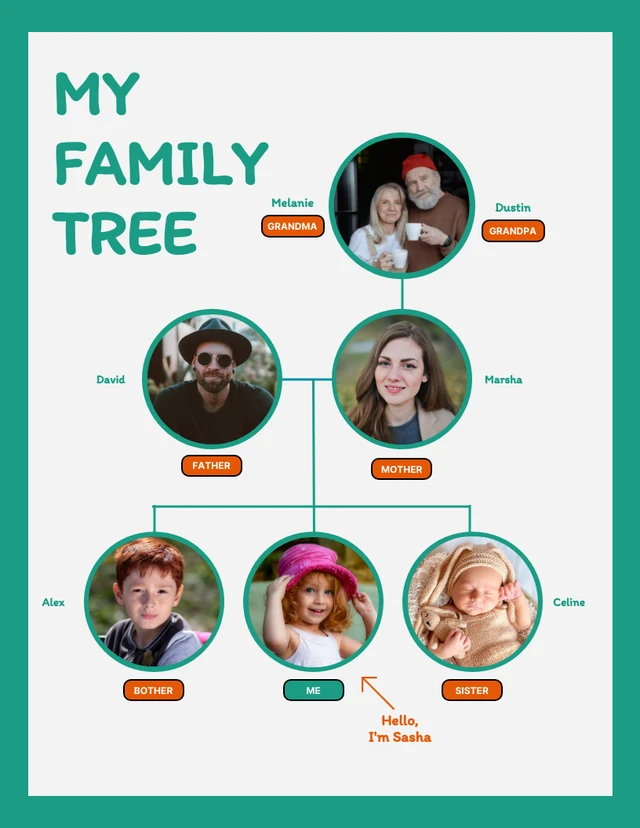
Exploring the Family Tree Research Cost: Understanding Expenses and Budgeting Strategies
The Cost of Family Tree Research: Understanding the Expenses Involved
Embarking on the journey of tracing your family tree can be a rewarding and enlightening experience, but it’s essential to be aware of the costs associated with genealogical research. From accessing historical records to hiring professional genealogists, understanding the expenses involved can help you plan your budget effectively.
Factors Affecting the Cost
The cost of family tree research can vary depending on several factors:
- Access to Records: Some genealogical records may be freely available online, while others require subscriptions or one-time fees to access. Consider the cost of accessing vital records, census data, and other historical documents.
- Travel Expenses: If your research requires visiting archives, libraries, or ancestral locations in person, factor in travel costs such as transportation, accommodation, and meals.
- Professional Assistance: Hiring a professional genealogist or researcher can expedite your search but comes with a fee. Rates vary based on expertise and the scope of work required.
- DNA Testing: Genetic genealogy through DNA testing has become popular for tracing ancestry. Costs for DNA test kits and analysis services should be considered if you choose this route.
Budgeting Tips
To manage the costs of family tree research effectively, consider these budgeting tips:
- Prioritize Research Goals: Focus on specific branches or individuals in your family tree to avoid unnecessary expenses on unrelated research.
- Utilize Free Resources: Take advantage of free online databases, local libraries, and community resources before investing in paid services.
- Create a Research Plan: Develop a structured plan outlining your research goals, timelines, and estimated expenses to stay organized and within budget.
- Network with Fellow Researchers: Join genealogy societies or online forums to exchange information and resources with other researchers without additional costs.
In Conclusion
While family tree research may incur expenses, the value of uncovering your ancestral roots and connecting with your heritage is immeasurable. By understanding the costs involved and planning strategically, you can embark on a fulfilling genealogical journey without breaking the bank.
8 Cost-Effective Tips for Conducting Family Tree Research
- Start by gathering information from your immediate family members for free.
- Utilize online resources and websites that offer free access to genealogical records.
- Visit local libraries or historical societies which may have resources available at no cost.
- Consider joining genealogical societies or forums to connect with others who can provide guidance and assistance for little to no cost.
- Attend genealogy workshops, seminars, or webinars that are often offered for free by organizations or institutions.
- Take advantage of free trial periods offered by some genealogy websites to access their databases without incurring a cost.
- Explore government archives and repositories that may have public records available for research at no charge.
- Plan your research carefully to avoid unnecessary expenses and focus on specific branches of your family tree.
Start by gathering information from your immediate family members for free.
A cost-effective way to kickstart your family tree research is by tapping into the wealth of knowledge available within your immediate family circle. By engaging in conversations with relatives and gathering information from parents, grandparents, and siblings, you can uncover valuable details about your family history at no cost. These personal accounts and anecdotes serve as a foundation for your genealogical journey, providing insights that can guide further research efforts and potentially lead to exciting discoveries. Initiating your exploration with input from family members not only saves on expenses but also strengthens familial bonds through shared storytelling and the preservation of cherished memories.
Utilize online resources and websites that offer free access to genealogical records.
To manage the costs of family tree research effectively, a valuable tip is to utilize online resources and websites that provide free access to genealogical records. By leveraging these platforms, researchers can access a wealth of historical documents, vital records, and census data without incurring any expenses. These free resources not only help in expanding the scope of research but also serve as a cost-effective way to uncover valuable information about one’s ancestors. Researchers can take advantage of these online tools to delve deeper into their family history and make significant progress in their genealogical journey without straining their budget.
Visit local libraries or historical societies which may have resources available at no cost.
When considering the costs of family tree research, a valuable tip is to visit local libraries or historical societies that may offer resources at no cost. These community institutions often house a wealth of genealogical records, books, and archives that can aid in your research without requiring a financial investment. By taking advantage of these free resources, you can access valuable information about your ancestors and lineage while keeping your research expenses to a minimum.
Consider joining genealogical societies or forums to connect with others who can provide guidance and assistance for little to no cost.
Consider joining genealogical societies or forums as a cost-effective way to enhance your family tree research journey. By connecting with fellow researchers and enthusiasts, you can tap into a wealth of knowledge, resources, and support without incurring significant expenses. These communities offer a platform for sharing experiences, exchanging tips, and receiving guidance from experienced members who are passionate about genealogy. Engaging with like-minded individuals can not only help you overcome research challenges but also foster a sense of camaraderie and collaboration as you delve deeper into uncovering your family’s history.
Attend genealogy workshops, seminars, or webinars that are often offered for free by organizations or institutions.
Attending genealogy workshops, seminars, or webinars can be a cost-effective way to enhance your family tree research skills and knowledge. Many organizations and institutions offer these educational opportunities for free, providing valuable insights into research techniques, resources, and best practices. By participating in these events, you can learn from experienced genealogists, connect with fellow researchers, and access valuable information that can help advance your genealogical journey without incurring additional expenses.
Take advantage of free trial periods offered by some genealogy websites to access their databases without incurring a cost.
To manage the expenses of family tree research effectively, consider taking advantage of free trial periods offered by some genealogy websites. These trial periods allow you to access their databases and resources without incurring any immediate costs. By utilizing these opportunities, you can explore a wealth of historical records and information to further your research without committing to a subscription or payment upfront. This strategy not only helps you save money but also enables you to evaluate the website’s offerings before making a financial investment in your genealogical journey.
Explore government archives and repositories that may have public records available for research at no charge.
Exploring government archives and repositories can be a cost-effective way to conduct family tree research. Many government institutions provide access to public records at no charge, making them valuable resources for genealogists seeking historical information. By utilizing these free resources, researchers can uncover vital records, census data, and other documents that are essential for tracing their family lineage without incurring additional expenses. Checking government archives can not only help save money but also lead to significant discoveries about one’s ancestors and heritage.
Plan your research carefully to avoid unnecessary expenses and focus on specific branches of your family tree.
Planning your family tree research carefully is crucial to managing costs effectively and maximizing the value of your efforts. By outlining specific goals and focusing on targeted branches of your family tree, you can avoid unnecessary expenses on unrelated research. This strategic approach not only helps streamline your genealogical journey but also ensures that resources are allocated efficiently towards uncovering the stories and connections that matter most to you. With a well-thought-out plan in place, you can navigate the world of genealogy with purpose and precision, making the most of every research opportunity while staying within your budget constraints.