
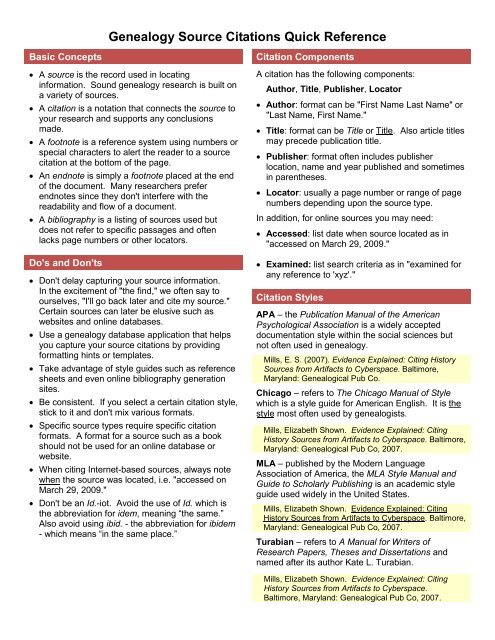
Exploring Ancestral Roots: A Comprehensive List of Genealogists
Exploring Family Histories: A List of Genealogists
Genealogy, the study of family history and lineage, is a fascinating field that has gained immense popularity in recent years. Genealogists play a crucial role in unraveling the mysteries of our past and connecting us to our ancestors. Here is a curated list of renowned genealogists who have made significant contributions to the field:
- Henry Louis Gates Jr.: An acclaimed historian and genealogist known for his work on tracing the ancestry of prominent figures, including celebrities and historical figures.
- Elizabeth Shown Mills: A pioneer in genealogical research methodology, Mills has authored numerous books and articles that have revolutionized the way genealogists approach their research.
- Thomas MacEntee: A prominent figure in the genealogy community, MacEntee is known for his advocacy for online genealogy resources and education through his popular blog and webinars.
- CeCe Moore: A leading genetic genealogist who has played a key role in popularizing DNA testing for genealogical purposes, Moore has helped countless individuals uncover their genetic heritage.
- David Lambert: An expert in New England genealogy, Lambert has contributed extensively to the field through his research, writing, and educational efforts.
These are just a few examples of the many talented and dedicated genealogists who continue to deepen our understanding of family history. Whether you are just beginning your journey into genealogy or are a seasoned researcher, exploring the work of these experts can provide valuable insights and inspiration for your own quest to uncover your roots.
6 Benefits of Hiring a Genealogist to Explore Your Family History
- Genealogists help individuals connect with their roots and understand their family history.
- They provide valuable insights into ancestral traditions, customs, and migrations that shape our identities.
- Genealogists use a variety of research methods to uncover hidden family stories and solve genealogical puzzles.
- They contribute to preserving historical records and documents for future generations to access and learn from.
- Genealogists can assist in tracing lineage for heritage purposes, such as joining lineage societies or proving eligibility for certain benefits.
- They offer guidance and expertise in navigating complex genealogical research challenges, saving time and effort for those exploring their family history.
Challenges of Hiring Genealogists: Time, Cost, Incomplete Records, and Privacy Issues
Genealogists help individuals connect with their roots and understand their family history.
Genealogists play a vital role in helping individuals connect with their roots and gain a deeper understanding of their family history. By meticulously researching ancestral records, tracing lineages, and uncovering long-forgotten stories, genealogists provide invaluable insights that allow people to forge meaningful connections to their past. Through their expertise and dedication, genealogists not only help individuals piece together their family trees but also offer a sense of identity, belonging, and appreciation for the diverse tapestry of ancestors who have shaped their lives.
They provide valuable insights into ancestral traditions, customs, and migrations that shape our identities.
Genealogists play a vital role in uncovering the intricate tapestry of ancestral traditions, customs, and migrations that have shaped our identities over generations. By delving into family histories and tracing lineages, genealogists provide us with invaluable insights into the rich cultural heritage that forms the foundation of who we are today. Through their meticulous research and dedication to preserving the stories of our ancestors, genealogists offer a window into the past that not only connects us to our roots but also helps us appreciate the diverse influences that have contributed to our unique identities.
Genealogists use a variety of research methods to uncover hidden family stories and solve genealogical puzzles.
Genealogists demonstrate their expertise and dedication by utilizing a diverse range of research methods to unveil hidden family narratives and resolve complex genealogical enigmas. Through meticulous examination of historical records, DNA analysis, oral histories, and advanced technology tools, genealogists piece together the intricate tapestry of family histories with precision and care. Their commitment to exploring multiple avenues of research not only enriches our understanding of the past but also ensures that every family story, no matter how obscure or challenging, is brought to light and preserved for future generations to cherish.
They contribute to preserving historical records and documents for future generations to access and learn from.
Genealogists play a vital role in preserving historical records and documents for the benefit of future generations. Through their meticulous research and dedication to uncovering family histories, genealogists ensure that valuable information about our ancestors is not lost to time. By documenting and organizing these records, genealogists create a rich tapestry of interconnected stories that offer insights into the past. Their efforts not only help individuals better understand their own heritage but also contribute to the collective knowledge and appreciation of history for generations to come.
Genealogists can assist in tracing lineage for heritage purposes, such as joining lineage societies or proving eligibility for certain benefits.
Genealogists play a crucial role in assisting individuals in tracing their lineage for heritage purposes. By delving into historical records, family documents, and genealogical research, genealogists can help people establish their ancestral connections and lineage. This is particularly valuable for those interested in joining lineage societies to honor their heritage or prove eligibility for specific benefits tied to ancestry. Whether it’s uncovering a long-lost family story or validating one’s lineage for official purposes, genealogists provide the expertise and resources needed to navigate the intricate paths of family history with accuracy and authenticity.
They offer guidance and expertise in navigating complex genealogical research challenges, saving time and effort for those exploring their family history.
Professional genealogists offer invaluable guidance and expertise in navigating the intricate landscape of genealogical research challenges. By leveraging their specialized knowledge and experience, they provide essential support to individuals exploring their family history, ultimately saving them significant time and effort. These experts are adept at unraveling complex ancestral connections, deciphering historical records, and overcoming research obstacles, ensuring that those delving into their genealogy journey receive accurate guidance and efficient solutions along the way.
1. Time-Consuming
Genealogical research, while rewarding, can be a time-consuming endeavor that demands a significant investment of time and effort. Delving into family histories and tracing lineages often involves sifting through countless records, documents, and archives to piece together an accurate narrative of one’s ancestry. This meticulous process requires patience, attention to detail, and a willingness to navigate potential roadblocks and dead ends along the way. Despite its challenges, the time spent on genealogical research can lead to a deeper understanding of one’s roots and a profound connection to the past.
2. Costly Resources
One significant drawback of delving into genealogy is the cost associated with accessing essential resources. Genealogical research often requires obtaining specific records, documents, or DNA testing kits, all of which can come with a price tag that may not be feasible for individuals on a tight budget. The expenses involved in acquiring these resources can act as a barrier for some aspiring genealogists, limiting their ability to explore their family history in depth. The financial aspect of genealogical research highlights the importance of finding affordable alternatives or seeking out free resources to ensure that everyone has the opportunity to uncover their ancestral heritage.
3. Incomplete Records
One significant con that genealogists often face is dealing with incomplete records. The presence of gaps in historical documentation or incomplete family records can pose a considerable challenge when attempting to trace lineage accurately. These missing pieces of information can hinder the genealogical research process, leading to uncertainties and potential inaccuracies in the family tree. Genealogists must navigate these obstacles with patience and creativity, utilizing alternative sources and research methods to fill in the gaps and piece together the intricate puzzle of family history.
4. Privacy Concerns
Privacy concerns are a significant con associated with genealogy, especially when it comes to sharing personal family information and DNA data for research purposes. The potential risks of data security breaches and the misuse of sensitive information highlight the importance of considering the implications of disclosing such details. As genealogical research often involves delving into intimate family histories and genetic data, individuals must weigh the benefits of uncovering their heritage against the potential privacy risks that come with sharing personal information in a digital age.