
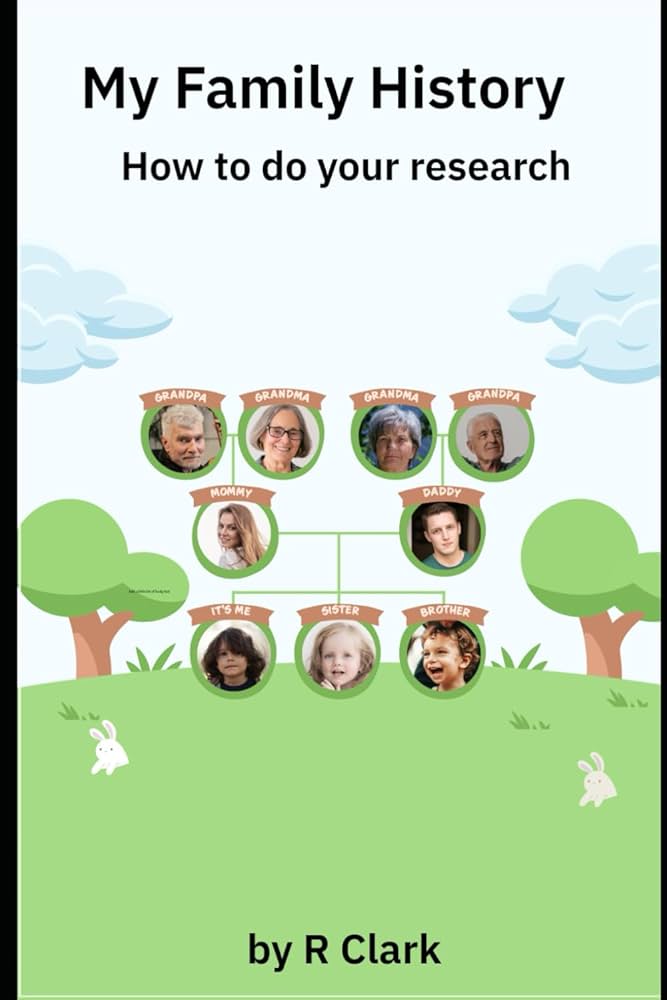
Unveiling Your Roots: The Art of Researching Your Family History
Exploring Your Roots: The Importance of Researching Your Family History
Researching your family history is like embarking on a thrilling journey back in time, uncovering the stories and legacies of your ancestors. It is a fascinating exploration that not only connects you to your past but also helps you understand your present and shape your future.
One of the key reasons to research your family history is to preserve and honor the legacy of those who came before you. By delving into archives, documents, and oral histories, you can piece together a narrative that celebrates the triumphs, challenges, and traditions of your family lineage.
Moreover, exploring your family history provides valuable insights into your own identity and heritage. Understanding where you come from can offer a sense of belonging and pride, as well as shed light on cultural customs, geographical origins, and familial connections that have shaped who you are today.
Researching your family history also fosters a deeper appreciation for history and genealogy. As you unravel the mysteries of generations past, you may discover remarkable individuals, untold stories, or unexpected links to historical events that enrich your understanding of the world around you.
Furthermore, engaging in genealogical research can strengthen family bonds and create lasting connections across generations. Sharing discoveries with relatives, collaborating on ancestral investigations, or preserving heirlooms can unite family members in a shared journey of discovery and remembrance.
In conclusion, researching your family history is not just about tracing names on a family tree; it is about embracing a profound exploration of heritage, identity, and connection. So grab a magnifying glass, delve into archives old and new, and embark on a captivating voyage through time to uncover the treasures hidden within your own family story.
8 Essential Tips for Uncovering Your Family History
- Start by interviewing older relatives to gather information.
- Organize and document the information you collect.
- Use online genealogy websites and resources for research.
- Visit local libraries, archives, and historical societies for more records.
- Verify information with multiple sources to ensure accuracy.
- Join genealogy forums or groups to connect with other researchers.
- Consider DNA testing for additional insights into your family history.
- Be patient and persistent in your research efforts.
Start by interviewing older relatives to gather information.
To kickstart your journey into researching your family history, a valuable tip is to begin by interviewing older relatives to gather information. These conversations with family members can unveil precious details, stories, and memories that may not be documented elsewhere. By listening to the firsthand accounts of older relatives, you can glean insights into ancestral traditions, personal experiences, and connections to past generations. Building this foundation of oral history not only enriches your research but also strengthens family bonds and preserves invaluable narratives for future generations to cherish.
Organize and document the information you collect.
When delving into the captivating realm of researching your family history, it is essential to prioritize organization and documentation of the information you gather. By maintaining meticulous records, creating detailed family trees, and documenting sources, you not only ensure the accuracy and reliability of your findings but also lay a strong foundation for future research endeavors. Organizing and documenting the wealth of information you collect enables you to track your progress, avoid duplication of efforts, and share your discoveries with other family members. Embracing a systematic approach to managing your genealogical data empowers you to preserve the legacy of your ancestors effectively and navigate through the intricate tapestry of your family history with clarity and purpose.
Use online genealogy websites and resources for research.
Utilizing online genealogy websites and resources is a valuable tip for researching your family history. These platforms offer a wealth of digitized records, databases, and tools that can significantly aid in your genealogical quest. From census data to birth certificates, from historical newspapers to DNA matching services, online genealogy websites provide convenient access to a vast array of information that can help you piece together your family tree with greater ease and efficiency. By tapping into these digital resources, you can expand your research scope, connect with distant relatives, and uncover hidden gems of ancestral knowledge that may have otherwise remained undiscovered.
Visit local libraries, archives, and historical societies for more records.
To enhance your family history research, consider visiting local libraries, archives, and historical societies to access a wealth of valuable records and resources. These institutions often house rare documents, newspapers, photographs, and other historical materials that can provide crucial insights into your ancestors’ lives. By exploring these local repositories, you may uncover hidden gems of information that can fill gaps in your family tree and offer a deeper understanding of the communities in which your relatives lived. Don’t underestimate the power of these local resources in enriching your genealogical journey.
Verify information with multiple sources to ensure accuracy.
When delving into the depths of your family history, it is crucial to verify information with multiple sources to ensure accuracy and reliability. By cross-referencing data from various documents, records, and accounts, you can confirm the authenticity of details and uncover any discrepancies or inconsistencies that may arise. This meticulous approach not only enhances the credibility of your research but also provides a more comprehensive and nuanced understanding of your family’s past, allowing you to construct a more accurate and detailed narrative of your ancestral roots.
Join genealogy forums or groups to connect with other researchers.
Joining genealogy forums or groups is a valuable tip for anyone delving into researching their family history. These online communities provide a platform to connect with fellow researchers, share insights, seek advice, and collaborate on unraveling ancestral mysteries. By participating in genealogy forums or groups, individuals can tap into a wealth of collective knowledge, resources, and support that can enhance their research efforts and foster a sense of camaraderie with like-minded enthusiasts.
Consider DNA testing for additional insights into your family history.
Consider DNA testing as a valuable tool to gain additional insights into your family history. DNA testing can provide you with a deeper understanding of your genetic heritage, connecting you to distant relatives, uncovering ancestral migration patterns, and even confirming or revealing unexpected family connections. By incorporating DNA analysis into your genealogical research, you can complement traditional methods with scientific data, enhancing the accuracy and breadth of your family history exploration.
Be patient and persistent in your research efforts.
When delving into the realm of researching your family history, it is crucial to embody patience and persistence throughout your journey. Genealogical exploration often involves sifting through numerous records, deciphering historical documents, and piecing together fragmented information. By maintaining a patient and persistent mindset, you can navigate obstacles, overcome challenges, and unearth the hidden gems of your family’s past. Remember that each discovery, no matter how small, contributes to the larger tapestry of your ancestral story, making the process both rewarding and enriching.