
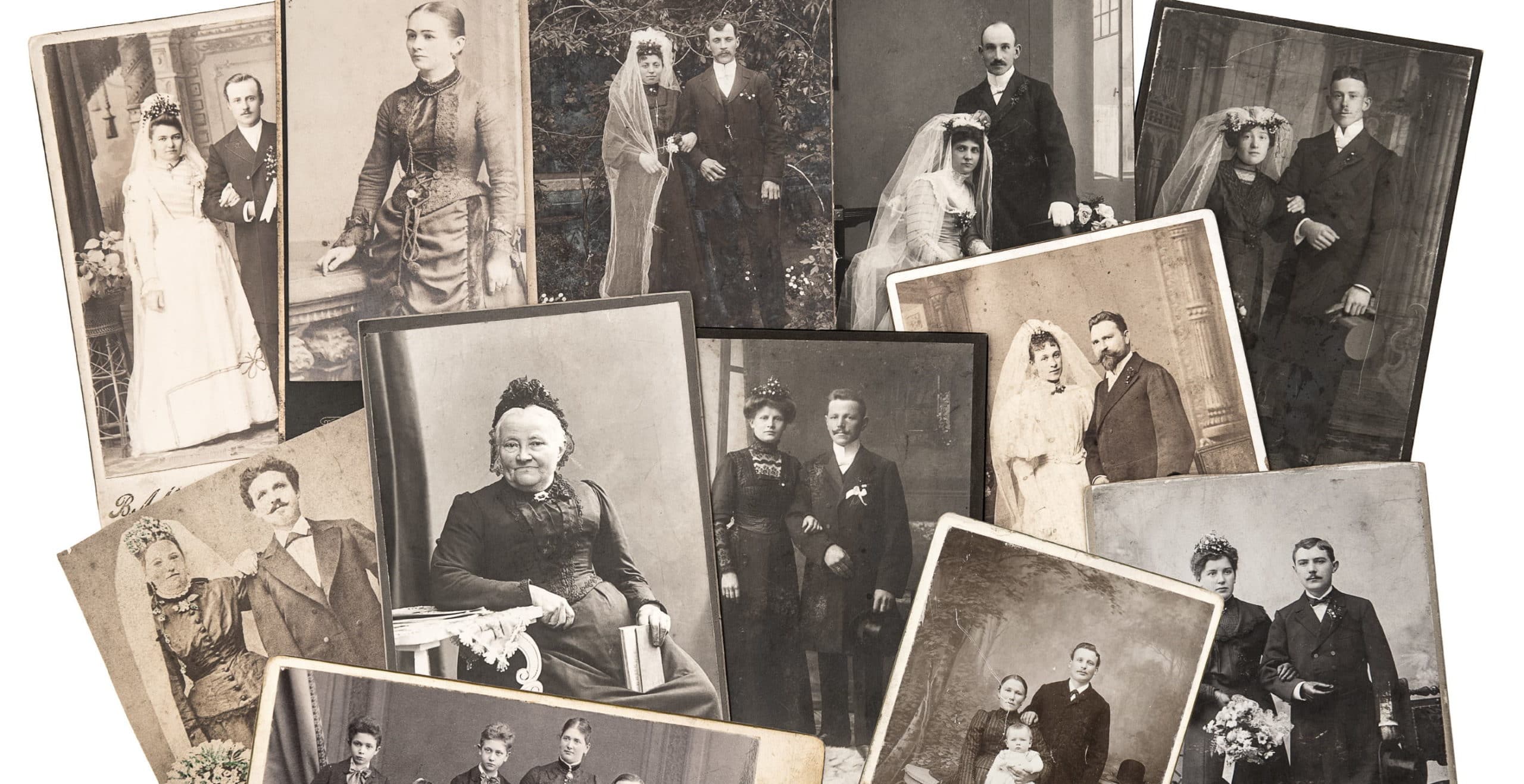
Unlocking Family History: Tracing Genealogy for Free
Tracing Genealogy for Free
Embarking on a journey to trace your family’s genealogy can be a rewarding and enlightening experience. While some genealogical research services come at a cost, there are numerous ways to explore your family history for free.
Start with Your Family
The first step in tracing your genealogy is to gather information from your immediate family members. Speak to parents, grandparents, and relatives to collect names, dates of birth, places of residence, and any other details they can provide about your ancestors.
Utilize Online Resources
There are several online platforms that offer free access to genealogical records and databases. Websites like FamilySearch, Ancestry.com (limited access), and FindAGrave can be valuable resources for finding birth records, census data, and other historical documents.
Visit Local Libraries and Archives
Many local libraries and archives house historical records that can aid in tracing your family tree. Visit these institutions in person or explore their online catalogs to access birth certificates, marriage records, obituaries, and other valuable documents.
Join Genealogical Societies
Joining genealogical societies or online forums dedicated to genealogy can provide you with access to a community of fellow researchers who may be able to offer guidance, share resources, and collaborate on research projects.
Attend Workshops and Seminars
Many organizations host workshops, seminars, and webinars on genealogical research techniques. Participating in these events can enhance your skills as a researcher and introduce you to new methods for uncovering your family’s history.
In conclusion, tracing your genealogy for free is not only possible but also an enriching endeavor that can connect you with your roots and illuminate the lives of your ancestors. By leveraging the resources available to you and tapping into the knowledge of the genealogical community, you can embark on a fulfilling journey of discovery without breaking the bank.
6 Free Tips for Tracing Your Genealogy: From Family Interviews to Online Resources
- Start with what you know
- Interview relatives
- Utilize online resources
- Visit local libraries and archives
- Join genealogy forums and groups
- Organize your findings
Start with what you know
To begin your genealogical journey without incurring costs, it is advisable to start with what you already know. By gathering information from your immediate family members, such as names, dates of birth, and places of residence, you can establish a solid foundation for further research. This initial step not only helps you build a clearer picture of your family history but also provides valuable clues that can guide your exploration into the past. Starting with what you know is a practical and cost-effective way to kickstart your genealogical quest and unlock the stories of your ancestors.
Interview relatives
One of the most valuable and cost-effective ways to begin tracing your genealogy is by interviewing relatives. Family members, especially older generations, hold a wealth of information about your ancestors that may not be documented elsewhere. Engaging in conversations with relatives can uncover stories, names, dates, and locations that are essential for building your family tree. By actively listening and asking thoughtful questions, you can gather valuable insights and personal anecdotes that bring your family history to life. Interviewing relatives not only helps you gather crucial information but also strengthens family bonds and preserves treasured memories for future generations to cherish.
Utilize online resources
When delving into tracing your genealogy for free, a valuable tip is to utilize online resources. Websites like FamilySearch, Ancestry.com (limited access), and FindAGrave offer a wealth of genealogical records and databases at no cost. By leveraging these platforms, you can uncover birth records, census data, and other historical documents that can provide crucial insights into your family history. Online resources make it convenient to access a vast array of information from the comfort of your own home, making the process of tracing your genealogy both accessible and rewarding.
Visit local libraries and archives
Visiting local libraries and archives is a valuable tip for tracing genealogy for free. These institutions often house a wealth of historical records, including birth certificates, marriage licenses, census data, obituaries, and more. By exploring their collections in person or online, genealogists can uncover vital information about their ancestors and piece together their family history. Additionally, librarians and archivists are knowledgeable resources who can offer guidance on navigating the archives and accessing relevant documents, making local libraries and archives essential destinations for those seeking to delve into their roots without incurring costs.
Join genealogy forums and groups
One valuable tip for tracing genealogy for free is to join genealogy forums and groups. These online communities provide a platform for connecting with fellow researchers, sharing insights, and accessing a wealth of resources and expertise. By actively participating in these forums and groups, you can benefit from collaborative efforts, receive guidance on research techniques, and even uncover new leads that may help unravel the mysteries of your family history. Joining genealogy forums and groups not only expands your network of like-minded individuals but also enhances your genealogical journey through shared knowledge and support.
Organize your findings
Organizing your findings is a crucial step in tracing genealogy for free. By systematically cataloging and storing the information you gather from various sources, you can create a structured roadmap of your family history. Utilize tools such as spreadsheets, family tree software, or traditional paper charts to document relationships, dates, and locations. This organized approach not only helps you track your progress but also allows for easier analysis and identification of missing pieces in your research. Ultimately, a well-organized collection of findings will streamline your genealogical journey and pave the way for uncovering new insights into your ancestry.