
Exploring Your Roots: A Comprehensive List of Ancestry Sites
List of Ancestry Sites for Tracing Your Family History
Are you eager to uncover your family’s roots and delve into your genealogical past? Here is a curated list of ancestry sites that can assist you in your quest for tracing your family history:
- Ancestry.com: Known as one of the largest and most comprehensive genealogy websites, Ancestry.com offers access to billions of historical records, family trees, and DNA testing services.
- FamilySearch.org: Operated by The Church of Jesus Christ of Latter-day Saints, FamilySearch.org provides free access to a vast collection of genealogical records and resources from around the world.
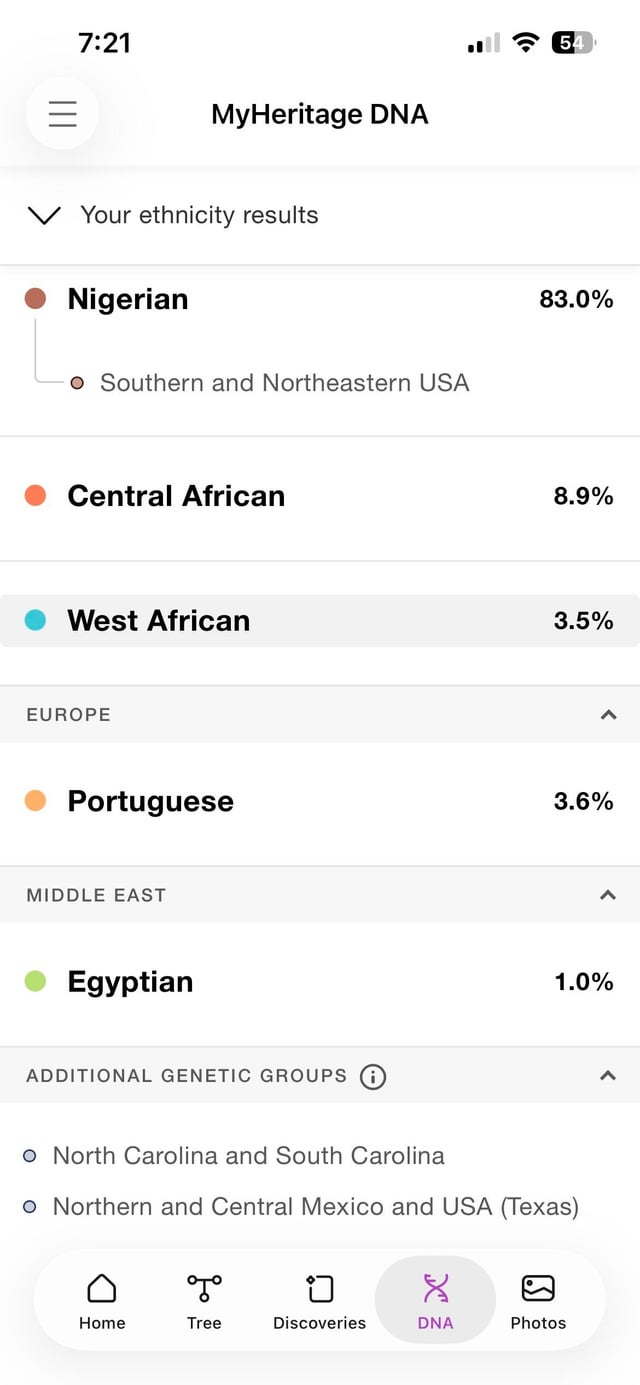
- MyHeritage: MyHeritage is a popular platform for building family trees, exploring historical records, and connecting with relatives through DNA matching.
- Findmypast: Specializing in British and Irish genealogy, Findmypast offers a wide range of records including census data, military records, and newspapers.
- 23andMe: While primarily known for its DNA testing kits, 23andMe also provides ancestry reports that can help you discover your genetic heritage and connect with relatives based on shared DNA.
These are just a few examples of the many ancestry sites available to individuals interested in exploring their family history. Whether you’re a beginner or an experienced genealogist, these platforms offer valuable tools and resources to help you uncover the stories of your ancestors.
Top Questions About Choosing and Using Ancestry Sites for Genealogy Research
- 1. What are the best ancestry sites for tracing family history?
- 2. How do I choose the right ancestry site for my genealogical research?
- 3. Are there any free ancestry sites available for exploring family heritage?
- 4. Can ancestry sites help me connect with living relatives and build a family tree?
- 5. What types of records and resources can I access on popular ancestry websites?
- 6. Are DNA testing services offered on most ancestry platforms, and how do they work?
- 7. How secure are my personal data and privacy when using online ancestry sites?
1. What are the best ancestry sites for tracing family history?
When seeking the best ancestry sites for tracing family history, individuals often look for platforms that offer a comprehensive collection of historical records, user-friendly interfaces, and robust search capabilities. Some of the top choices frequently recommended by genealogists include Ancestry.com, renowned for its vast database and DNA testing services; FamilySearch.org, a free resource with global genealogical records; MyHeritage, popular for building family trees and DNA matching; Findmypast, specializing in British and Irish genealogy; and 23andMe, known for its DNA testing kits and ancestry reports. These sites provide valuable tools and resources to help individuals uncover their family’s past and connect with relatives across generations.
2. How do I choose the right ancestry site for my genealogical research?
When considering how to choose the right ancestry site for your genealogical research, it’s essential to assess your specific needs and goals. Start by evaluating the type of records and resources that are most relevant to your family history research. Some sites specialize in certain regions or types of documents, so it’s important to choose a platform that aligns with your research focus. Additionally, consider factors such as cost, user interface, customer support, and DNA testing options if applicable. Reading reviews and seeking recommendations from other genealogists can also help you make an informed decision. Ultimately, selecting the right ancestry site is a personalized choice based on your research priorities and preferences.
3. Are there any free ancestry sites available for exploring family heritage?
For those seeking to explore their family heritage without breaking the bank, there are indeed free ancestry sites available that offer valuable resources for genealogical research. Websites such as FamilySearch.org provide access to a vast collection of historical records, family trees, and research tools at no cost. Additionally, platforms like WikiTree and RootsWeb offer collaborative family tree building and access to user-contributed genealogical data without any subscription fees. While some features may be limited compared to paid sites, these free ancestry platforms are excellent starting points for individuals looking to begin their journey into tracing their family history without incurring any financial commitment.
4. Can ancestry sites help me connect with living relatives and build a family tree?
Ancestry sites can be invaluable tools for connecting with living relatives and constructing a comprehensive family tree. By utilizing features such as DNA matching, family tree builders, and member directories, these platforms enable users to identify potential relatives, collaborate on shared ancestry research, and expand their family networks. Through the wealth of historical records, genetic testing services, and interactive tools offered by ancestry sites, individuals can not only uncover their familial roots but also establish meaningful connections with living relatives to enrich their understanding of their heritage.
5. What types of records and resources can I access on popular ancestry websites?
When exploring popular ancestry websites, such as Ancestry.com, FamilySearch.org, MyHeritage, Findmypast, and 23andMe, you can access a diverse range of valuable records and resources to aid in your genealogical research. These platforms offer access to vast collections of historical records, including census data, birth and death certificates, immigration records, military service documents, newspapers, wills, and more. Additionally, many sites provide tools for building and organizing family trees, DNA testing services for uncovering genetic heritage and connecting with relatives, as well as community forums for sharing research findings and seeking assistance from fellow genealogists. Whether you are just beginning your journey into family history or looking to expand your existing knowledge base, these ancestry websites offer a wealth of information to help you trace your roots and discover the stories of your ancestors.
6. Are DNA testing services offered on most ancestry platforms, and how do they work?
DNA testing services are commonly offered on many ancestry platforms as a valuable tool for individuals seeking to explore their genetic heritage and connect with relatives. These services typically involve providing a DNA sample, often through a saliva test, which is then analyzed to reveal information about your ancestral origins and potential genetic matches with other users. By comparing your DNA with others in the database, these platforms can help you discover relatives you may not have known about and gain insights into your family’s migration patterns over generations. Additionally, DNA testing can provide ethnicity estimates and help verify or expand upon the information found in traditional genealogical records.
7. How secure are my personal data and privacy when using online ancestry sites?
When considering the security of personal data and privacy while using online ancestry sites, it is essential to prioritize platforms that have robust privacy policies and security measures in place. Reputable ancestry sites often employ encryption techniques to safeguard sensitive information, such as DNA data and family history details, from unauthorized access. Additionally, users should review each site’s privacy policy to understand how their data will be used, shared, and protected. It is advisable to opt for platforms that offer transparency regarding data handling practices and provide options for controlling the visibility of personal information. By being cautious and selective in choosing ancestry sites with strong privacy protections, individuals can enjoy exploring their family history while minimizing risks to their personal data security and privacy.