
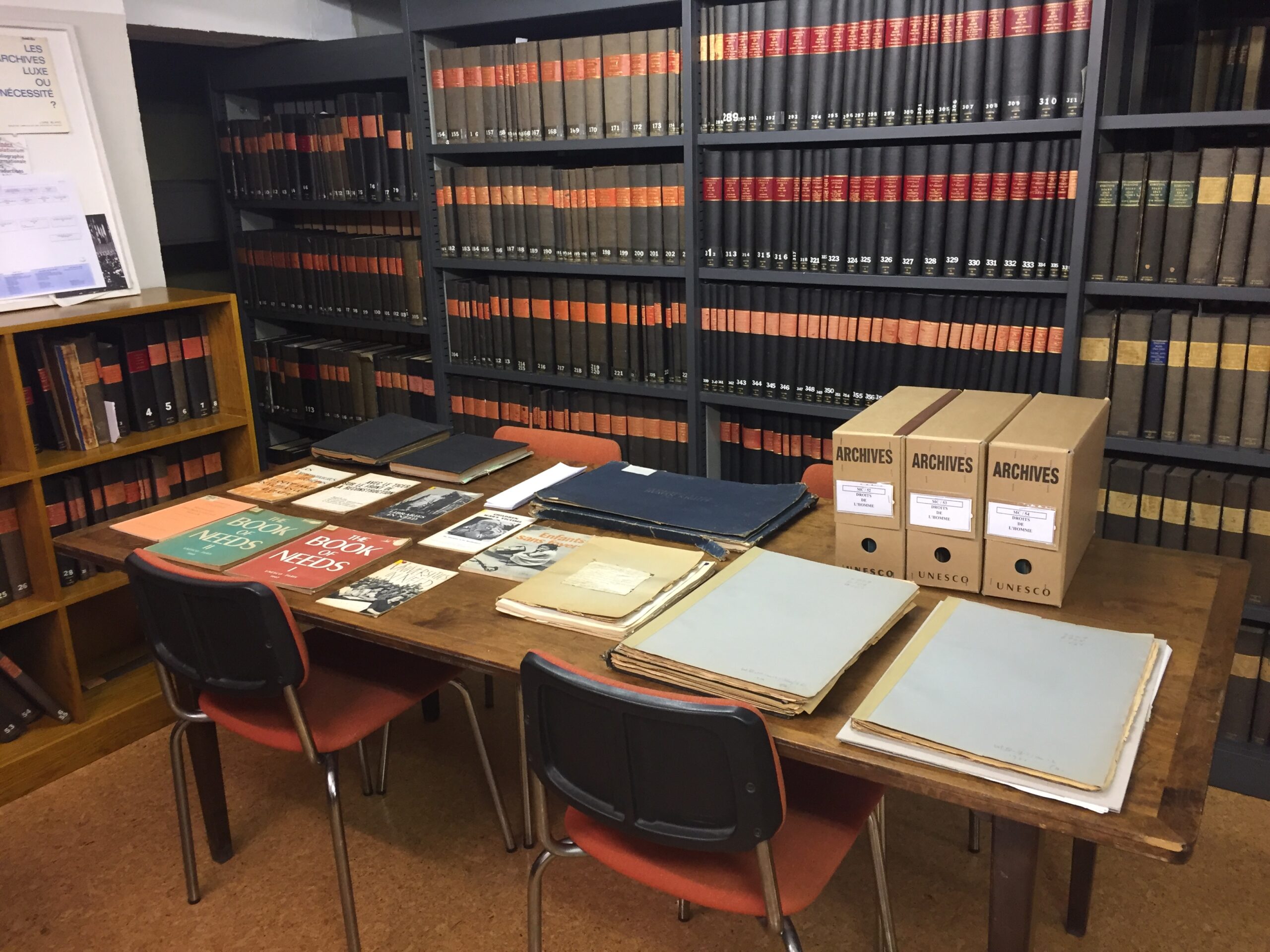
Exploring Archives: Preserving Family and Community History
Archives: Preserving the Stories of the Past
Archives are places where historical records are collected, preserved, and made available for research. For family historians, they can provide clues that help connect names, dates, and places—and reveal the everyday experiences behind a family tree. Whether you are researching Chickasaw County, Iowa, or tracing a family farther afield, archives can be an essential part of the search.
What Can You Find in an Archive?
Archival materials may include letters, diaries, photographs, maps, business records, newspapers, school documents, cemetery records, and materials from local organizations. Government offices and courthouses may also preserve records such as deeds, probate files, naturalization papers, and vital records. The materials available vary from one repository to another, and some records may have access restrictions to protect privacy or fragile originals.
Archives are not always large buildings with reading rooms. Historical records may be held by libraries, museums, genealogical societies, churches, universities, county offices, or private organizations. Some are available online, while others can only be consulted in person or by making a research request.
Why Archives Matter to Family History
Online family trees and indexes can be useful starting points, but they may contain errors or incomplete information. Original records and reliable copies can offer evidence to confirm details and distinguish between people with similar names. A probate file, for example, may identify relatives and relationships; a photograph may provide a glimpse of a person, place, or community; and a local newspaper notice may add context to an event.
Records also help place individual lives within a broader history. A family’s movements, occupations, and community connections can become easier to understand when considered alongside local maps, newspapers, school records, and other historical sources.
Getting Ready to Research
A little preparation can make an archive visit more productive:
- Start with what you know. Write down names, dates, places, and sources already checked. Note uncertain details as questions rather than facts.
- Be flexible with names and dates. Spelling, ages, and locations can vary across records. Search for alternate spellings and allow a reasonable date range.
- Check the catalog or website. Look for collection descriptions, finding aids, research guides, hours, fees, and rules before visiting or requesting copies.
- Contact the repository. Staff or volunteers may be able to explain what is held and whether a collection is accessible. Provide specific names, dates, and places when asking for help.
- Keep careful citations. Record the repository, collection, item or volume, page number, and date accessed. Good notes make it possible to find and evaluate the source again.
Using and Caring for Archival Materials
Original documents can be fragile, so repositories may ask researchers to use clean hands, pencils, book supports, or special handling procedures. Follow staff instructions, and ask before photographing or copying an item. If a record is restricted or unavailable, ask whether a transcript, digital version, index, or related collection can help answer your question.
When using archival information, distinguish what a record states from what it proves. A document may contain an error, reflect only what the informant knew, or use a term differently than it is used today. Comparing several independent sources can lead to a more reliable conclusion.
Preserving Family Records
Families can help preserve history by caring for photographs, letters, and documents. Store materials in a cool, dry place away from direct sunlight, food, and water. Use archival-quality folders or sleeves when possible, and avoid tape, glue, and writing directly on original photographs. Digital copies are useful for sharing and backup, but they do not replace the original; keep more than one copy of important files in separate locations.
Before donating family materials, contact a suitable library, museum, archive, or historical organization. Describe the items and their history, and ask whether they fit the repository’s collecting scope. Clear information about who created or owned an item—and when and where it was used—can greatly increase its value to future researchers.
Explore the Record
Archives reward patience and curiosity. A single record may answer a question, raise a new one, or point toward an unexpected source. By approaching historical materials carefully, documenting findings, and preserving records for others, researchers help keep family and community stories available for generations to come.
Understanding Archives: Answers to 7 Common Questions
- What is an archive?
- What kinds of records can I find in an archive?
- How do I find an archive that may have records about my family or community?
- Can I access archival records online?
- Do I need to make an appointment to visit an archive?
- How should I cite information I find in an archive?
- How can I donate or preserve family documents and photographs?
What is an archive?
An archive is a collection of historical records and materials preserved because they provide lasting information about people, families, organizations, or communities. Archives may include letters, photographs, diaries, maps, newspapers, and official documents, and they can be found in libraries, museums, historical societies, government offices, and online. For family history research, archives offer original sources that can help answer questions, verify details, and bring the past to life.
What kinds of records can I find in an archive?
Archives may contain a wide range of historical records, including letters, diaries, photographs, maps, newspapers, school and business documents, church records, and materials from local organizations. Depending on the archive, you may also find government records such as deeds, probate files, court documents, or vital-record indexes. Collections vary, so check the archive’s catalog or contact its staff to learn what is available and whether materials can be accessed online or in person.
How do I find an archive that may have records about my family or community?
To find an archive with records about your family or community, begin by listing the places where the people you’re researching lived, worked, worshiped, or attended school. Search online for local libraries, historical societies, museums, genealogical societies, courthouses, and university archives in those areas, and review their catalogs or collection guides for relevant names, dates, and topics. State and national archive catalogs can also point to useful collections. If you’re unsure where to look, contact a nearby repository or genealogical society with specific details about your research question; staff or volunteers may suggest additional places to search. Before visiting or requesting copies, check the archive’s hours, access rules, fees, and whether records are available online.
Can I access archival records online?
Yes, many archives provide access to digitized records, searchable catalogs, indexes, and research guides online. However, not every item has been digitized, and some records may only be available in person or through a research request. Check the archive’s website or contact its staff to learn what is available, how to search the collections, and whether access fees or restrictions apply.
Do I need to make an appointment to visit an archive?
Whether you need an appointment depends on the archive. Some welcome walk-in visitors during regular hours, while others require advance notice, especially if materials are stored off-site, access is limited, or staff assistance is needed. Before you go, check the archive’s website or contact its staff to confirm visiting hours, appointment requirements, and any rules for requesting materials.
How should I cite information I find in an archive?
When citing information from an archive, include enough detail for someone else to locate the same item. Record the creator or author, the item’s title or description, its date, the collection name, any box or folder number, and the name and location of the archive. If you found the item online, include the website or database name, a stable link when available, and the date you accessed it. Citation styles vary, so follow the style required for your project; when details are missing, provide the clearest information available and ask the archive for guidance.
How can I donate or preserve family documents and photographs?
To preserve family documents and photographs, store them in a cool, dry place away from sunlight, heat, and moisture. Use archival-quality folders, boxes, or photo sleeves, and avoid tape, glue, paper clips, or writing on original items. Make digital copies for sharing and backup, keeping copies in more than one secure location. If you’re considering donating materials, contact a local library, museum, historical society, or archive first to ask whether the items fit its collection. Share any details you know about the people, places, dates, and events connected to the materials—this context can make them far more useful to future researchers.