
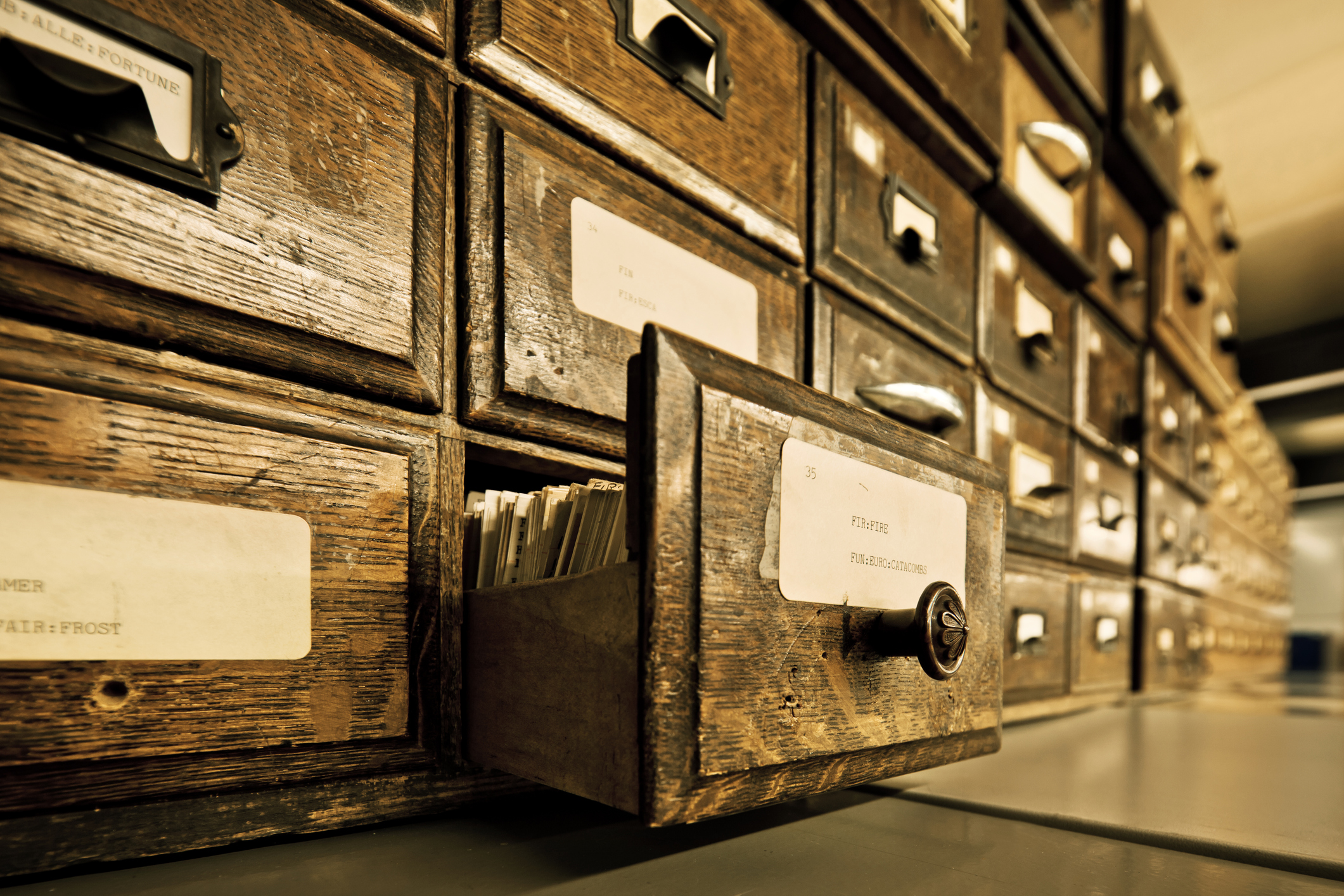
Exploring the Archive: A Guide to Family History Research
Exploring Archives for Family History
An archive is a collection of records and other materials preserved because they offer lasting value. Archives help communities protect their history and give researchers a way to learn about people, places, and events from the past. For family historians, archival records can add detail and context to a family tree.
What Might an Archive Contain?
Archival collections can include many kinds of material, such as:
- Letters, diaries, photographs, and family papers
- County histories, local newspapers, and community publications
- Maps, land records, and business documents
- Church, school, cemetery, and organizational records
- Government records, including census and court materials
- Oral histories, audio recordings, and other digital files
Not every archive holds the same materials. Records may be kept by libraries, historical societies, museums, government offices, churches, universities, or families. Some collections are available online, while others can only be consulted in person.
How Archives Support Genealogical Research
Archives can help researchers move beyond names and dates to understand how ancestors lived. A land document may show where a family settled. A newspaper notice might describe a business, community event, or personal milestone. A photograph or letter can reveal relationships and everyday experiences that are not recorded in official documents.
Local records are especially useful when researching a particular place. Learning about a county’s schools, churches, industries, and migration patterns can help explain the choices and circumstances that shaped a family’s history. When researching Chickasaw County, Iowa, local and regional collections may provide useful context alongside records from state and national repositories.
Tips for Using an Archive
- Start with a focused question. Identify a person, place, event, or time period you want to investigate.
- Gather what you already know. Names, dates, locations, and family relationships can help narrow a search.
- Check collection guides and catalogs. Many repositories publish descriptions of their holdings online.
- Ask about access rules. Some materials require an appointment or have handling restrictions.
- Record complete citations. Note the repository, collection name, document title, and any box, folder, or page numbers provided.
- Keep an open mind. Names may be spelled differently, dates may be approximate, and records can contain errors.
Preserving Historical Materials
Archives depend on careful preservation. If you have old letters, photographs, or family documents, store them in a cool, dry place away from direct sunlight. Handle fragile items gently and avoid using tape, glue, or other materials that can cause damage. Digitizing documents can make them easier to share, but digital copies should be backed up and clearly labeled.
Donating materials to an appropriate repository may help preserve them for future researchers. Before donating, contact the institution to ask what it collects and how it cares for historical items. Keep copies of family materials whenever possible, and document names, dates, and places while those details are still known.
Keeping the Past Accessible
Archives connect personal stories with the broader history of a community. By exploring archival records, documenting sources, and caring for family materials, researchers help preserve the past for those who will come after them. Each record—whether an official document or a handwritten note—can offer another clue to the people and places that shaped our shared history.
Everything You Need to Know About Archives: FAQs on Access, Materials, and Preservation
- What is an archive?
- What kinds of materials can be found in an archive?
- How can I search an archive for records?
- Where can I find archives near me?
- Can I access archival records online?
- How should I preserve documents and photographs for an archive?
What is an archive?
An archive is a collection of historical records and materials preserved for their lasting value. It may include documents, photographs, letters, newspapers, maps, recordings, and digital files that help people learn about individuals, families, organizations, and communities. Archives are often cared for by libraries, museums, historical societies, government agencies, or other institutions, and they provide valuable sources for research and preserving local history.
What kinds of materials can be found in an archive?
Archives may contain a wide range of materials that document people, families, and communities. These can include letters, diaries, photographs, newspapers, maps, land and court records, church and school documents, business papers, oral histories, and digital files. The contents vary by archive, so checking a repository’s catalog or contacting its staff can help you find records relevant to your research.
How can I search an archive for records?
To search an archive for records, start with a specific person, place, or time period, then check the archive’s online catalog or collection guides for relevant names, dates, and topics. Try alternate spellings and broader search terms, since records may be indexed inconsistently or not searchable by name. If you don’t find what you need online, contact the archive or visit in person; staff may know about unindexed materials or related collections. Record the source details for anything you find, including the repository, collection, and document or folder number.
Where can I find archives near me?
To find archives near you, start with your local library, historical society, museum, or county courthouse. These organizations may hold local newspapers, family papers, photographs, government records, and other historical materials, or can direct you to nearby collections. You can also search online for archives in your city or county, check library and university websites, and explore archival directories. Before visiting, contact the repository to confirm its hours, available records, access rules, and whether you need an appointment.
Can I access archival records online?
Many archival records are available online through library, historical society, government, and genealogy websites. You may find digitized documents, photographs, newspapers, catalogs, or finding aids that describe collections. However, not every record has been digitized, and some materials can only be viewed in person or by request. Check the archive’s website for online collections and access policies, or contact the staff for help locating specific records.
How should I preserve documents and photographs for an archive?
To preserve documents and photographs, store them in a cool, dry, stable environment away from sunlight, heat, and dampness. Handle items with clean, dry hands, and use archival-quality, acid-free folders, sleeves, or boxes; avoid tape, glue, paper clips, and plastic covers not made for preservation. Keep photographs and documents flat when possible, and label containers gently with a pencil rather than writing on the items. For added protection and easier sharing, make digital copies and keep backups in more than one secure location. If an item is fragile or especially valuable, ask an archivist or conservator for advice before attempting repairs or cleaning.