
Genealogy Conferences: Learn, Connect, and Discover
Genealogy Conferences: Learn, Connect, and Discover
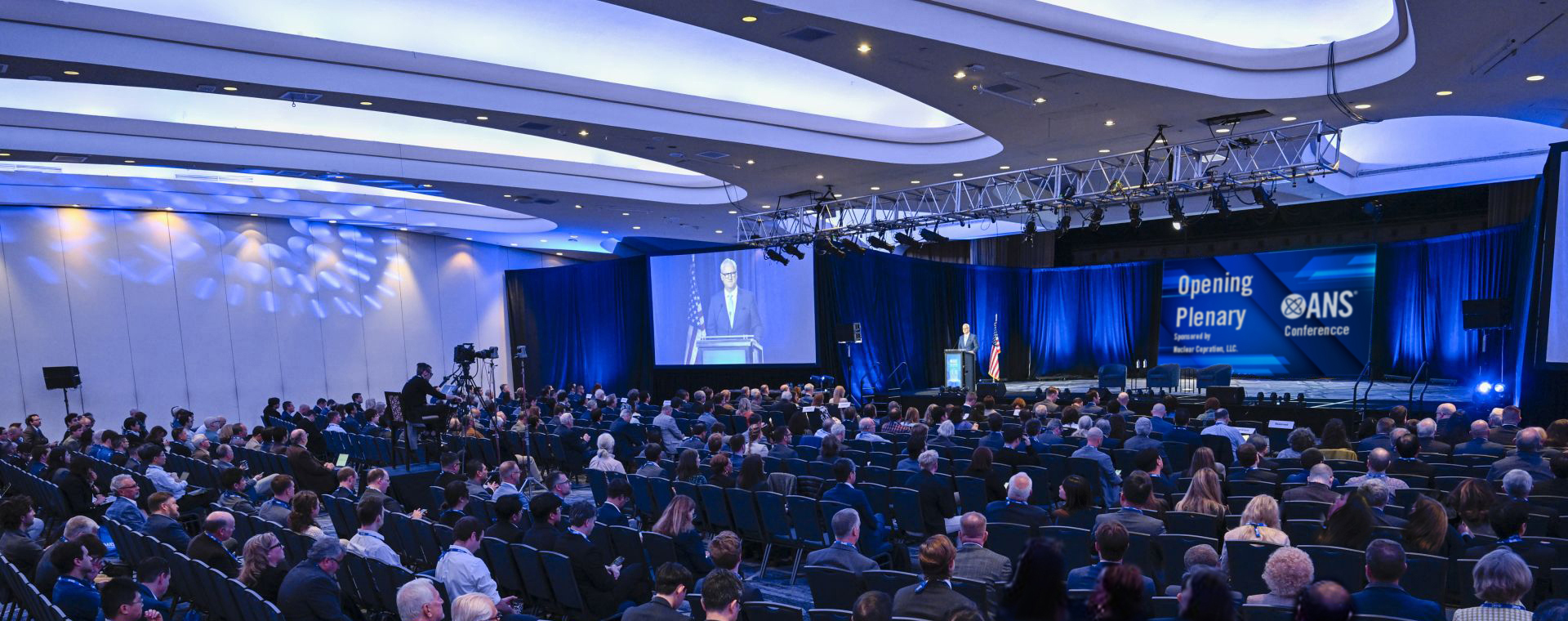
Genealogy conferences bring together family historians, researchers, archivists, and history enthusiasts to share knowledge and explore new ways to uncover the past. Whether you are just beginning to research your family or have years of experience, a conference can offer fresh ideas, practical guidance, and opportunities to connect with others who share your interests.
What to Expect
Conferences often include presentations, workshops, panel discussions, and exhibits. Topics may cover research methods, historical records, DNA testing, preservation, and the use of digital archives. Some sessions focus on particular places, time periods, or communities, while others offer guidance that applies to many kinds of family history research.
Workshops can be especially useful for building practical skills. You might learn how to evaluate sources, organize family documents, search online databases, or interpret records that are difficult to read. Presentations by experienced researchers can also introduce resources and research strategies you may not have considered.
Make the Most of a Conference
- Review the schedule: Choose sessions that match your interests and research goals.
- Prepare questions: Write down a research challenge or a record type you would like to learn more about.
- Bring useful notes: A brief summary of what you know—and what you still need to find—can help you make the most of conversations with other attendees.
- Take organized notes: Record source names, search suggestions, and follow-up tasks so you can revisit them later.
- Allow time to connect: Informal conversations can lead to helpful ideas, shared resources, and lasting research friendships.
Conferences and Local History
For researchers studying Chickasaw County, Iowa, conferences can provide valuable context for local family history. Learning about regional settlement, changing boundaries, migration, agriculture, transportation, and community life may help explain the records and stories found during research. Ideas shared at a conference can also point you toward new questions to explore in local newspapers, government records, cemetery information, and historical collections.
Not every conference needs to be large or far away. Local and regional genealogy programs can offer focused discussions and a chance to learn from people familiar with nearby records and history. Genealogical societies can also help researchers stay informed about educational events and opportunities to share what they have learned.
Keep Learning
A conference is often just the beginning. After attending, review your notes, follow up on suggested sources, and add new information to your research plan. By combining conference learning with careful source evaluation and ongoing research, you can build a more complete and reliable picture of your family’s past.
Genealogy conferences remind us that family history is both a personal pursuit and a shared effort. Every new skill, source, and conversation can help bring another piece of the past into view.
8 Tips for Making the Most of Your Next Conference
- Set clear goals before attending.
- Review the agenda in advance.
- Bring business cards and a charger.
- Arrive early for popular sessions.
- Ask concise, thoughtful questions.
- Take notes on useful ideas.
- Follow up with new contacts promptly.
- Schedule breaks to recharge.
Set clear goals before attending.
Before attending a genealogy conference, set clear goals for what you hope to learn or accomplish. You might want to find new records for a particular ancestor, improve your skills with a research tool, or meet other people studying local history. Review the conference schedule and choose sessions that support those goals. A little planning can help you use your time well, ask more focused questions, and leave with practical next steps for your research.
Review the agenda in advance.
Reviewing the conference agenda in advance helps you make the most of your time. Look for sessions that match your research interests, note their times and locations, and choose a few alternatives in case plans change. A little preparation can help you arrive with thoughtful questions and leave with useful ideas, resources, and connections.
Bring business cards and a charger.
Bring business cards and a phone charger to make the most of your conference connections. A business card makes it easy to share your name and contact information with fellow researchers, presenters, and potential collaborators. A charger or portable power bank helps keep your phone or tablet ready for taking notes, checking schedules, and exchanging contact details throughout the day.
Arrive early for popular sessions.
Arrive early for popular conference sessions to get a seat and settle in before the presentation begins. High-demand talks may fill quickly, and getting there ahead of time gives you a moment to review your notes, meet other attendees, and avoid feeling rushed.
Ask concise, thoughtful questions.
When attending a genealogy conference, ask concise, thoughtful questions that clearly explain what you’re trying to learn. A brief question gives the speaker or researcher useful context and makes it easier for them to offer a focused answer. If your question involves a specific family or record, share only the essential details, and be ready to follow up after the session if the topic needs more discussion.
Take notes on useful ideas.
Take notes on useful ideas during conference sessions and conversations, including recommended records, research methods, websites, and potential next steps. Jot down the speaker’s name and any source details so you can find the information later. After the conference, review your notes and add promising ideas to your family history research plan.
Follow up with new contacts promptly.
After a conference, follow up with new contacts promptly while your conversations are still fresh. Send a brief, friendly message within a few days to thank them, mention what you discussed, and share any promised information or resources. A timely follow-up helps build lasting connections and may lead to useful research ideas, collaboration, or new discoveries.
Schedule breaks to recharge.
Schedule breaks to recharge during a conference. Stepping away between sessions gives you time to rest, grab a snack, review your notes, and clear your mind. A few quiet minutes can help you stay focused and enjoy the next presentation, workshop, or conversation.