
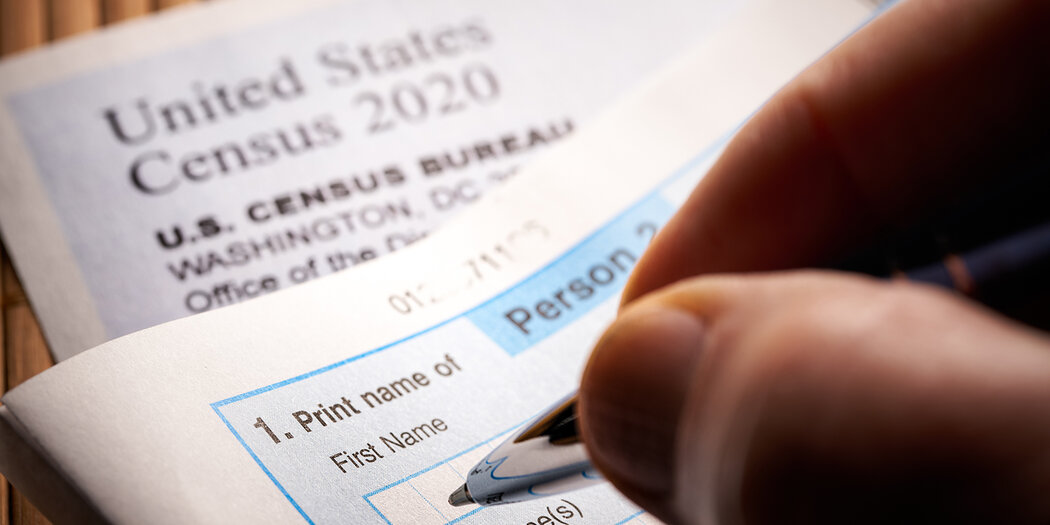
Using the U.S. Census to Explore Your Family History
Using the U.S. Census to Explore Your Family History
The U.S. census is one of the most useful resources for family-history research. Taken every 10 years since 1790, the federal census offers snapshots of households and communities across the country. Census records can help researchers locate ancestors, follow families over time, and discover details that may lead to other records.
What Can Census Records Tell You?
The information collected varies by year, but a census record may include a person’s name, age, birthplace, occupation, relationship to the head of household, and place of residence. Some census years also asked about immigration, naturalization, parents’ birthplaces, education, military service, or home ownership.
These details can help answer questions such as:
- Where did an ancestor live at a particular time?
- Who lived in the same household?
- When and where might a person have been born?
- What work did an ancestor do?
- Did a family move between counties or states?
Finding Ancestors in the Census
Begin with the most recent census available to the public and work backward. A known location, approximate age, or family member’s name can help narrow a search. Census records are available through several online genealogy services, libraries, archives, and historical societies. Availability and access requirements differ by provider.
Search results are not always exact. Names may have been misspelled, recorded phonetically, or indexed incorrectly. Ages and birthplaces may also vary from one census to another. If a search does not find the person you expect, try alternate spellings, a different age range, or the names of relatives and neighbors. Browsing the census pages for a known town or district can also reveal records that an index search misses.
Read the Whole Page
A census entry is more useful when considered in context. Review the complete household and nearby entries, not just the line for one individual. Relatives, in-laws, boarders, and neighbors may provide valuable clues. The surrounding entries can also help identify a family’s community, local occupations, and possible connections.
Keep in mind that census information was generally provided by a household member, not necessarily by the person named. Errors, estimates, and misunderstandings are possible. Treat a census entry as an important clue, then compare it with sources such as birth, marriage, and death records; newspapers; city directories; land records; church registers; and family documents.
Census Records and Privacy
Federal census records containing information about individuals are withheld from public access for 72 years after the census was taken. The National Archives released the 1950 census in 2022. Later census records will become public according to the same release schedule.
Preserving What You Find
When recording a census discovery, note the census year, state, county, town or district, page or sheet number, and the source where you accessed the record. Save a copy or citation when permitted. Keeping track of sources makes it easier to verify details, revisit a record, and share reliable findings with relatives and fellow researchers.
The census is not a complete account of anyone’s life, but it can provide a valuable framework for family research. Used alongside other records, it helps connect names and dates to the households and communities in which our ancestors lived.
2026 Census FAQs: Meaning, Questions, Online Access, and What Happens If You Don’t Respond
- What happens if you don’t fill out the census in 2026?
- What is in the census?
- Is the 2026 Census online?
- What does census mean?
- What do you mean by the census?
- What is a census in history?
- What is the definition of a census?
- What happens if you don’t complete a census?
What happens if you don’t fill out the census in 2026?
There is no U.S. decennial census scheduled for 2026; the next one will take place in 2030. However, if you receive an American Community Survey (ACS) questionnaire in 2026, you are generally required by law to respond, and the Census Bureau may contact you if you do not. The ACS is a separate survey conducted throughout the decade, so check that any request is genuine before responding, and contact the Census Bureau if you have questions.
What is in the census?
The U.S. census records basic information about people and households, though the questions vary by year. Depending on the census, entries may include names, ages, relationships within the household, birthplace, residence, occupation, immigration or naturalization details, education, and home ownership. Census records can offer valuable clues for family-history research, but details may be incomplete or inaccurate, so it’s best to compare them with other sources.
Is the 2026 Census online?
No. The 2026 U.S. Census is not online because the next federal census will take place in 2030; the U.S. census is conducted every 10 years. Census records are also kept confidential and are not released for public research until 72 years after collection. If you’re looking for census information in 2026, you can search publicly available records from earlier census years through the National Archives, libraries, or genealogy websites.
What does census mean?
A census is an official count of the people living in a particular place at a specific time. In the United States, the federal census is conducted every 10 years and gathers information such as names, ages, household relationships, and places of residence. For family-history research, census records can help trace where ancestors lived, identify household members, and find clues to explore in other historical records.
What do you mean by the census?
The census is an official count of the people living in a particular place at a specific time. In the United States, the federal government conducts a census every 10 years to gather information about the population and households. For genealogy research, historical census records can help you learn where ancestors lived, who was in their household, and details such as their age, birthplace, or occupation. The questions asked vary by census year, and the information can contain errors, so it’s best to compare census findings with other records.
What is a census in history?
A census in history is an official count of a population, usually conducted by a government at a specific time. Census records may document people’s names, ages, occupations, family relationships, places of birth, and where they lived. Historians and family researchers use these records to study population changes, communities, and individual families. The questions and details recorded vary by place and time, so a census is best understood alongside other historical sources.
What is the definition of a census?
A census is an official count and description of the people living in a particular area at a specific time. Governments typically conduct censuses at regular intervals to gather information about population size, households, and other characteristics. For family-history research, census records can provide clues about where ancestors lived, who shared their household, and details such as age, birthplace, and occupation.
What happens if you don’t complete a census?
If you don’t complete the U.S. census, your household may be missed, which can affect how communities are represented and how federal resources and political representation are allocated. The Census Bureau may follow up with households that haven’t responded, including through visits from census workers. Federal law requires people to respond to the census, but the Census Bureau does not use responses to determine eligibility for benefits, and personal information is protected from disclosure to other government agencies or the public for 72 years.