
Exploring Regional Connections in Chickasaw County Genealogy
Regional Connections in Chickasaw County Genealogy
Family history rarely stops at a county line. The story of a family connected to Chickasaw County, Iowa, may also lead to neighboring communities, other parts of the state, or places far beyond Iowa. Exploring these regional connections can help researchers find missing details and understand the circumstances that shaped their ancestors’ lives.
Look beyond the county boundary
People moved for many reasons: to find farmland or work, join relatives, marry, pursue education, or seek new opportunities. A family might appear in one county in a census and a neighboring county a few years later. Churches, schools, businesses, and social networks also brought people together across local boundaries.
When researching a Chickasaw County family, consider searching records from nearby counties as well. A marriage, land transaction, newspaper notice, or cemetery entry may be recorded outside the place where the family lived most of its life. County boundaries and jurisdictions can also change, so it is helpful to check which government office or archive holds records for the relevant time period.
Follow people, not just place names
Regional research is most effective when it follows individuals and families across time. Start with a known address, township, or community, then look for relatives, witnesses, neighbors, and business partners. These connections may reveal where a family came from or where its members went next.
Sources such as census schedules, county histories, plat maps, land records, church registers, cemetery records, and newspapers can provide useful clues. Compare information across multiple sources, especially when names are common or spellings vary. A person’s age, occupation, family relationships, and neighbors can help distinguish them from someone with a similar name.
Understand the wider setting
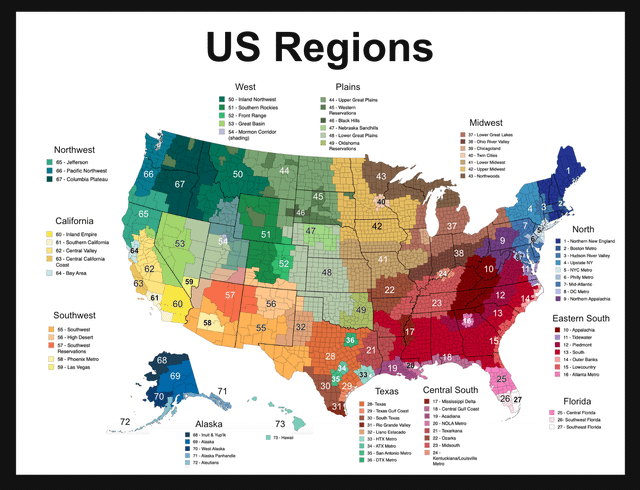
Local records become more meaningful when viewed in a regional context. Transportation routes, agricultural changes, town development, and patterns of migration all influenced where people settled and how communities grew. Regional histories and maps can help place an ancestor’s experiences within the broader story of northeastern Iowa and the Midwest.
Historical sources are not always complete or consistent. A record may use an earlier place name, contain a misspelling, or describe a location differently from modern maps. Keeping a research log and noting the source of each detail can make it easier to evaluate conflicting evidence and revisit promising leads.
Build a connected family history
Exploring regional connections can turn isolated names and dates into a richer account of family life. By looking beyond a single town or county, researchers may discover migration routes, extended family networks, and the communities that shaped their ancestors’ experiences.
Whether you are beginning your family-history journey or continuing years of research, consider Chickasaw County as part of a larger regional story. Each record, map, and family connection can offer another piece of the past.
6 Essential Tips for Exploring a New Region
- Learn local customs before you visit.
- Check regional weather and pack accordingly.
- Use local phrases to connect with residents.
- Try foods that are popular in the area.
- Confirm regional transit options in advance.
- Respect local rules and community traditions.
Learn local customs before you visit.
Before visiting a new region, take time to learn about local customs and traditions. A little preparation—such as understanding common greetings, dining etiquette, and community expectations—can help you show respect, connect more naturally with residents, and make your visit more rewarding.
Check regional weather and pack accordingly.
Before traveling around the region, check the local weather forecast and pack for the conditions you’re likely to encounter. Temperatures and weather can vary from place to place, so bring suitable layers, comfortable shoes, and any essentials such as rain gear, sunscreen, or a warm jacket. Being prepared can help make your visit more comfortable and enjoyable.
Use local phrases to connect with residents.
Use familiar local phrases and place names to make your research outreach feel welcoming and relevant to residents. A thoughtful reference to a well-known community, landmark, or regional expression can help build rapport and encourage people to share family stories, memories, and historical knowledge. Keep the language natural and respectful, and avoid assuming that everyone uses the same terms or has the same connection to the area.
Try foods that are popular in the area.
When visiting Chickasaw County, try foods that are popular in the area to get a taste of local life and tradition. Stop by a neighborhood café, diner, farmers market, or community event to discover regional favorites and seasonal ingredients. Asking residents what they recommend can lead to memorable meals—and a better sense of the community’s character.
Confirm regional transit options in advance.
Before traveling, confirm the regional transit options available near your destination. Check routes, schedules, fares, and service days, since buses or shuttles may run less frequently outside larger towns. Planning ahead can help you choose convenient connections, allow extra time for transfers, and avoid surprises if service is limited or changes seasonally.
Respect local rules and community traditions.
When researching regional history, respect local rules and community traditions. Follow the guidelines of archives, libraries, cemeteries, and cultural sites, and ask permission before photographing, copying, or sharing materials. Be thoughtful when discussing sensitive histories, honor the practices of local communities, and represent people and traditions accurately. A respectful approach helps preserve trust and supports responsible historical research.