
Best Steps for Genealogy Research: A Beginner’s Guide
The Best Steps for Starting Your Genealogy Research
Exploring your family history can help you understand where your family came from, how relatives lived, and how their stories connect to the past. Genealogy research can feel overwhelming at first, but a few practical steps make it easier to get started and keep your findings organized.
Start With What You Know
Begin with yourself and work backward, one generation at a time. Write down your full name, birth date and place, and the same information for your parents, grandparents, and other relatives. Record names, dates, locations, marriages, and family relationships as accurately as you can.
Mark uncertain details as unverified rather than treating them as facts. This will help you distinguish what you know from what you still need to investigate.
Talk With Relatives
Family members can share details that may not appear in official records, including nicknames, migration stories, family traditions, and the names of relatives in old photographs. Ask open-ended questions such as, “What do you remember about your grandparents?” or “Where did the family live before moving here?”
With permission, record interviews or take careful notes. Ask relatives to identify people, places, and approximate dates in photographs and documents. Memories can be incomplete, so treat them as valuable clues to verify through other sources.
Gather and Preserve Family Records
Look for birth, marriage, and death certificates; letters; diaries; obituaries; family Bibles; military papers; photographs; and old address books. These materials may provide dates and places that help you find additional records.
Handle original documents carefully. Store them in a cool, dry place away from direct sunlight, and scan or photograph them to create digital copies. Keep a note of who owns each original and where it is stored.
Build a Simple Family Tree
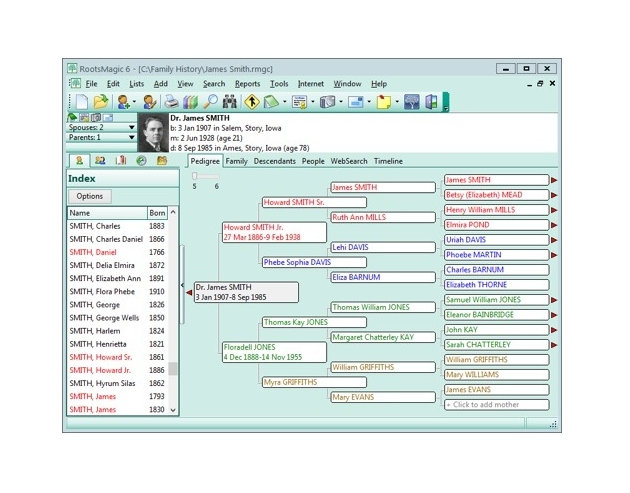
Use a notebook, a family-tree chart, or genealogy software to record relationships. Include the source for every important fact, such as a census page, certificate, newspaper notice, or interview. A source note makes it easier to check your work and share reliable information with relatives.
Be consistent when recording names and dates. If a person used several spellings or names, record the variation and explain it in your notes rather than silently choosing one.
Research One Question at a Time
Instead of searching broadly for an entire family line, choose a specific question. For example: Where was a great-grandparent born? When did the family move to Iowa? Who were a person’s parents? A focused question helps you decide which records to search and prevents you from collecting information that may belong to someone else.
Search Records in a Useful Order
Start with records close to the person and event you are researching. Depending on the question, useful sources may include:
- Birth, marriage, and death records
- Census schedules and population lists
- Church registers and cemetery records
- Newspapers, obituaries, and local histories
- Military, immigration, land, and probate records
- School, city directory, and court records
Look for records in the places where your relatives lived, not only where they were born. County courthouses, libraries, archives, historical societies, and genealogical organizations may hold materials that are not available online.
Evaluate Each Record Carefully
A record is evidence, but it may contain errors. Consider who supplied the information, how close that person was to the event, and when the record was created. A birth certificate, for example, may offer strong evidence about a birth, while a later census entry may give a different age or birthplace.
Compare multiple independent sources before drawing a conclusion. If records disagree, keep both details in your notes and explain why you favor one source over another.
Keep a Research Log
Record what you searched, where you searched, and what you found—even when a search turns up nothing. A simple log can include the research question, website or archive, record collection, search date, and result. This prevents repeated searches and helps you plan the next step.
Protect Privacy and Share Responsibly
Living relatives may have concerns about personal information. Ask permission before sharing interviews, photographs, or details about living people. When posting a family tree online, review its privacy settings and avoid publishing sensitive information without consent.
Be Patient and Keep Going
Genealogy often involves small discoveries, unexpected name spellings, and research dead ends. Take breaks when needed, revisit unanswered questions later, and ask librarians, archivists, or local genealogical groups for guidance. A carefully verified detail is more valuable than a large tree filled with guesses.
Begin With One Story
The best way to begin genealogy is to start with what you know, document your sources, and follow the evidence one step at a time. Every interview, record, and photograph can add a piece to the story of your family and the communities they called home.
Top 5 FAQs for Starting Your Genealogy Journey: Steps, Records, and Organization
- What is the best first step in genealogy research?
- How do I start building a family tree?
- Which records should I search first when tracing my ancestors?
- How can I verify information I find about my family history?
- How should I organize genealogy research and record my sources?
What is the best first step in genealogy research?
The best first step in genealogy research is to start with yourself and work backward, recording what you already know about your parents, grandparents, and other relatives. Write down names, dates, places, and family relationships, and note which details are confirmed and which need research. Then talk with relatives and look for family documents to verify and expand your information before moving on to historical records.
How do I start building a family tree?
Start with yourself and record your name, birth date, and birthplace, then add your parents and grandparents, working backward one generation at a time. Ask relatives about family names, dates, places, and stories, and look for supporting documents such as birth, marriage, and death records, census records, photographs, and obituaries. Keep track of where each fact came from, mark uncertain details as unverified, and compare multiple sources before adding information to your tree.
Which records should I search first when tracing my ancestors?
When tracing your ancestors, start with records that are closest to the person and event you’re researching. Gather family documents and interview relatives, then look for birth, marriage, and death records, census schedules, and obituaries, which can provide names, dates, places, and family relationships. Once you have those clues, explore church registers, cemetery records, newspapers, land or probate files, and military or immigration records as relevant. Search records from the places where your ancestors lived, and compare multiple sources to confirm details.
How can I verify information I find about my family history?
Verify family history information by checking it against reliable records, such as birth, marriage, and death certificates, census schedules, church registers, obituaries, and newspaper archives. Whenever possible, compare at least two independent sources, and note who provided the information and how close they were to the event. Keep citations or links to each source, record conflicting details rather than ignoring them, and treat family stories and online family trees as useful clues—not proof—until you can confirm them with original records or other trustworthy evidence.
How should I organize genealogy research and record my sources?
Organize genealogy research by working backward one generation at a time and keeping a separate research log for each person or question. Record every fact alongside its source, including the document or database name, creator, date, page or record number, repository or website, and the date you accessed it. Save copies or screenshots when permitted, use consistent file names, and note whether each detail is confirmed, uncertain, or conflicting. This makes it easier to verify conclusions, avoid repeating searches, and share your research with others.