
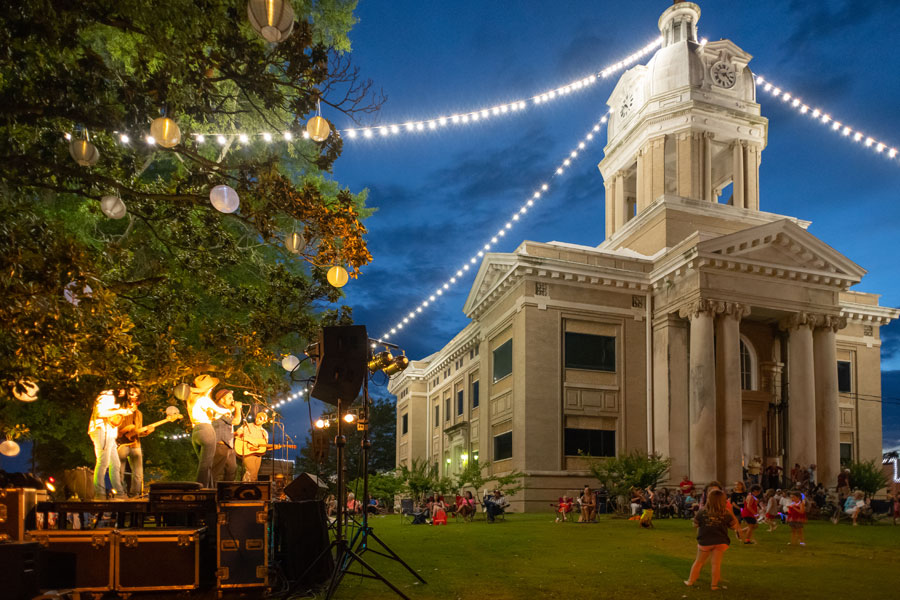
Chickasaw Counties: History and Heritage in Iowa and Mississippi
Chickasaw Counties: A Look at Iowa and Mississippi
Two counties in the United States share the name Chickasaw: one in northeast Iowa and one in northeastern Mississippi. Though they are far apart and have distinct local histories, both were named for the Chickasaw people, a Native American nation with deep roots in the southeastern United States.
Chickasaw County, Iowa
Established in 1851, Chickasaw County is located in northeast Iowa. New Hampton, the county seat, is among its communities, along with towns such as Nashua, Fredericksburg, Lawler, and Alta Vista. The county’s history reflects the growth of rural Iowa, including settlement, farming, the development of local communities, and the arrival of transportation and public institutions.
For family historians, county records can offer useful clues about the people who lived in the area. Census schedules, newspapers, land records, cemetery listings, church histories, and vital records may help trace families and understand their connections to Chickasaw County.
Chickasaw County, Mississippi
Chickasaw County, Mississippi, was established in 1836. It has two county seats: Houston and Okolona. The county’s history is shaped by the broader story of Mississippi, including Indigenous history, migration, agriculture, and the growth of towns and institutions across the region.
Researchers exploring Mississippi families may find valuable information in courthouse records, census returns, newspapers, cemetery records, and local histories. Because records can be held by different offices or repositories, identifying the correct county and community is an important first step.
A Shared Name, Distinct Histories
The name “Chickasaw” connects both counties to the Chickasaw people, but the counties are not the same place and their histories should be considered separately. The Chickasaw Nation’s history extends far beyond either county, and learning about the people themselves provides important context for understanding the name.
Whether researching ancestors in Iowa or Mississippi, begin with what is known—such as a person’s name, approximate dates, and the community where they lived—then follow the records that connect one generation to the next. Local historical and genealogical societies can often help researchers locate resources and uncover the stories behind the names in their family trees.
Chickasaw Counties in Iowa and Mississippi: 7 FAQs About Their History, Towns, Records, and Attractions
- How many counties in the United States are named Chickasaw?
- Where are Chickasaw County, Iowa, and Chickasaw County, Mississippi?
- Why are the two counties named Chickasaw?
- What are the county seats of Chickasaw County, Iowa, and Chickasaw County, Mississippi?
- What are the largest towns in each Chickasaw County?
- Where can I find census, courthouse, and genealogy records for the Chickasaw counties?
- What are the main historical sites and attractions in the Chickasaw counties?
How many counties in the United States are named Chickasaw?
There are two counties in the United States named Chickasaw: Chickasaw County in Iowa and Chickasaw County in Mississippi. Though they share a name, they are separate counties with distinct histories and local records.
Where are Chickasaw County, Iowa, and Chickasaw County, Mississippi?
Chickasaw County, Iowa, is in the northeastern part of the state, with New Hampton as its county seat. Chickasaw County, Mississippi, is in the northeastern part of Mississippi and has two county seats: Houston and Okolona. Although they share a name, these are separate counties in different states, each with its own communities and history.
Why are the two counties named Chickasaw?
Both Chickasaw County, Iowa, and Chickasaw County, Mississippi, were named for the Chickasaw people, a Native American nation with a long history in the southeastern United States. The shared name honors the Chickasaw, though the two counties have separate histories and are located in different states.
What are the county seats of Chickasaw County, Iowa, and Chickasaw County, Mississippi?
Chickasaw County, Iowa, has one county seat: New Hampton. Chickasaw County, Mississippi, has two county seats: Houston and Okolona. Because both counties share the Chickasaw name, noting the state can help avoid confusion when researching local government, history, or family records.
What are the largest towns in each Chickasaw County?
By 2020 Census population, New Hampton is the largest town in Chickasaw County, Iowa, followed by Nashua. In Chickasaw County, Mississippi, Houston is the largest town, followed by Okolona. Houston and Okolona are both county seats, while New Hampton is the county seat of Iowa’s Chickasaw County.
Where can I find census, courthouse, and genealogy records for the Chickasaw counties?
Census records for Chickasaw County, Iowa, and Chickasaw County, Mississippi, are available through the U.S. National Archives, FamilySearch, and other genealogy databases. For deeds, probate files, marriage records, and other courthouse documents, contact the recorder, clerk, or courthouse in the correct county, since the two counties maintain separate records. Local libraries and historical or genealogical societies, as well as the Iowa and Mississippi state archives, can also help you find local histories, cemetery information, newspapers, and research guidance.
What are the main historical sites and attractions in the Chickasaw counties?
The main attractions depend on which Chickasaw County you mean. In Chickasaw County, Iowa, visitors can see the Little Brown Church near Nashua, a historic landmark made famous by the song “The Church in the Wildwood,” as well as explore New Hampton and local museums and historical collections that preserve the area’s past. In Chickasaw County, Mississippi, Houston and Okolona offer historic town centers and sites reflecting the region’s local and Civil War-era history. Local historical societies and visitor resources can provide current details on exhibits, access, and nearby attractions.