
Unveiling the Power of Your Genealogy Toolbox: Essential Tools for Tracing Your Roots
The Essential Genealogy Toolbox: Tools for Tracing Your Roots
Genealogy, the study of family history and lineage, has become increasingly popular in recent years. With the advancement of technology and the accessibility of online resources, tracing your roots has never been easier. To help you on your genealogical journey, we’ve compiled a list of essential tools that every aspiring genealogist should have in their toolbox.
Ancestry.com
Ancestry.com is one of the most comprehensive genealogy websites available, offering access to billions of historical records, family trees, and DNA testing services. By creating an account on Ancestry.com, you can start building your family tree and uncovering long-lost relatives.
FamilySearch.org
FamilySearch.org is a free genealogy website maintained by The Church of Jesus Christ of Latter-day Saints. It provides access to a vast collection of genealogical records from around the world, making it an invaluable resource for anyone researching their family history.
DNA Testing Kits
DNA testing kits, such as those offered by 23andMe and MyHeritage DNA, can provide valuable insights into your genetic ancestry. By submitting a simple saliva sample, you can uncover ethnic origins and connect with distant relatives who have also taken the test.
Genealogy Software
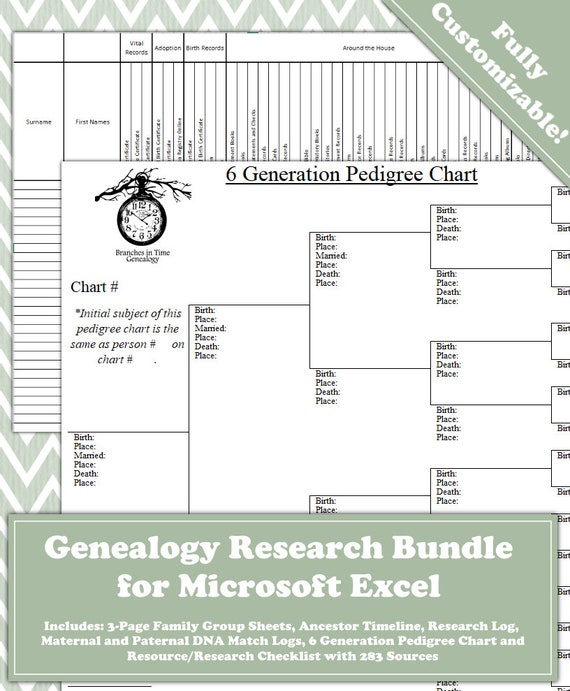
Genealogy software like Legacy Family Tree and RootsMagic can help you organize and manage your family tree research efficiently. These programs allow you to store information about your ancestors, attach documents and photos, and generate reports and charts to visualize your family history.
Local Archives and Libraries
Don’t overlook the importance of visiting local archives and libraries in your research. These institutions often house unique historical records, newspapers, maps, and other resources that may not be available online.
By incorporating these essential tools into your genealogy toolbox, you’ll be well-equipped to embark on a rewarding journey of discovery as you trace your roots and uncover the stories of your ancestors.
Unlock Your Family History: 5 Benefits of Using a Genealogy Toolbox
- Access to vast historical records and documents for tracing family history
- Ability to connect with distant relatives and discover shared ancestry through DNA testing kits
- Organizational tools like genealogy software help in efficiently managing family tree research
- Online resources provide convenience and accessibility for genealogical research
- Local archives and libraries offer unique historical records not available elsewhere
Exploring the Challenges of Genealogy Tools: Cost, Privacy, and Learning Curve
Access to vast historical records and documents for tracing family history
Access to vast historical records and documents is a crucial advantage of utilizing a genealogy toolbox in tracing family history. These resources provide invaluable insights into the lives of our ancestors, allowing us to piece together their stories and understand the context in which they lived. By delving into historical records such as census data, birth certificates, immigration records, and military documents, genealogists can uncover hidden details about their family’s past and gain a deeper appreciation for the challenges and triumphs that shaped their lineage. The wealth of information available through these records not only enriches our understanding of our heritage but also helps us forge stronger connections to our roots and preserve our family history for future generations.
Ability to connect with distant relatives and discover shared ancestry through DNA testing kits
The ability to connect with distant relatives and discover shared ancestry through DNA testing kits is a groundbreaking pro of the genealogy toolbox. By submitting a simple saliva sample, individuals can unlock a wealth of information about their genetic heritage and potentially find relatives they never knew existed. These DNA testing kits offer a unique opportunity to bridge gaps in family history, uncover hidden connections, and form meaningful relationships with newfound kin, ultimately enriching one’s understanding of their roots and heritage.
Organizational tools like genealogy software help in efficiently managing family tree research
Organizational tools such as genealogy software play a crucial role in efficiently managing family tree research. These specialized programs provide a structured platform for storing and organizing vast amounts of genealogical data, including details about ancestors, relationships, events, and sources. By utilizing genealogy software, researchers can easily track their progress, attach relevant documents and photos, generate reports and charts for analysis, and collaborate with other family members on shared research projects. This streamlined approach not only saves time but also ensures that valuable information is well-organized and readily accessible, ultimately enhancing the overall effectiveness of the genealogical research process.
Online resources provide convenience and accessibility for genealogical research
Online resources offer unparalleled convenience and accessibility for genealogical research, revolutionizing the way we explore our family history. With just a few clicks, genealogists can access a wealth of historical records, family trees, and DNA databases from the comfort of their own homes. This ease of access allows researchers to delve into their ancestry at any time, day or night, without being limited by physical location or operating hours of traditional archives. Online resources empower individuals to uncover hidden connections, piece together family puzzles, and expand their understanding of their heritage with unprecedented efficiency and convenience.
Local archives and libraries offer unique historical records not available elsewhere
Local archives and libraries play a crucial role in genealogical research by offering access to unique historical records that are not available elsewhere. These invaluable resources provide a treasure trove of information, including old newspapers, rare manuscripts, local government documents, and personal collections donated by community members. By exploring these archives, genealogists can uncover hidden gems of family history, gaining insights into the lives and experiences of their ancestors that may have been lost to time. The wealth of knowledge preserved in local archives and libraries adds depth and richness to genealogical research, allowing individuals to piece together the intricate puzzle of their family’s past with precision and authenticity.
Cost
Cost can be a significant drawback when it comes to utilizing genealogy tools and services. Many valuable resources in the genealogy toolbox, such as subscription-based websites like Ancestry.com and DNA testing kits from companies like 23andMe, come with a hefty price tag. For individuals on a budget or those looking to explore their family history without breaking the bank, the expense of these tools can be a limiting factor. The high costs associated with certain genealogy services may deter some aspiring genealogists from fully engaging in their research and accessing the wealth of information available through these platforms.
Privacy Concerns
Privacy Concerns: One significant con of utilizing genealogy toolbox tools is the potential privacy risks associated with sharing personal information and DNA data with genealogy websites. While these platforms offer valuable insights into family history and ancestry, users must consider the implications of disclosing sensitive data. Privacy breaches, unauthorized access to personal information, and the misuse of DNA data are legitimate concerns that individuals should weigh carefully before engaging in extensive genealogical research online. It is essential to be cautious and informed about the privacy policies of these websites to protect one’s personal information from potential risks.
Learning Curve
One significant drawback of utilizing a genealogy toolbox is the steep learning curve that beginners may encounter when using genealogy software and navigating online databases. The complexity of these tools can be overwhelming for those new to genealogical research, requiring time and effort to understand their functionalities fully. From learning how to input data and create family trees to deciphering historical records and search techniques, the initial learning process can be daunting. However, with patience, practice, and guidance from experienced genealogists, beginners can gradually overcome this obstacle and unlock the vast potential of these tools in tracing their family history.