
Family Tree: How to Grow Your Tree Through Generations
How to Build a Family Tree
A family tree is a visual record of the people and relationships that make up a family. It can begin with you and extend backward through generations, connecting parents, grandparents, and earlier ancestors. Creating one is a rewarding way to organize family information, preserve stories, and discover how individual lives fit into a larger history.
What a Family Tree Shows
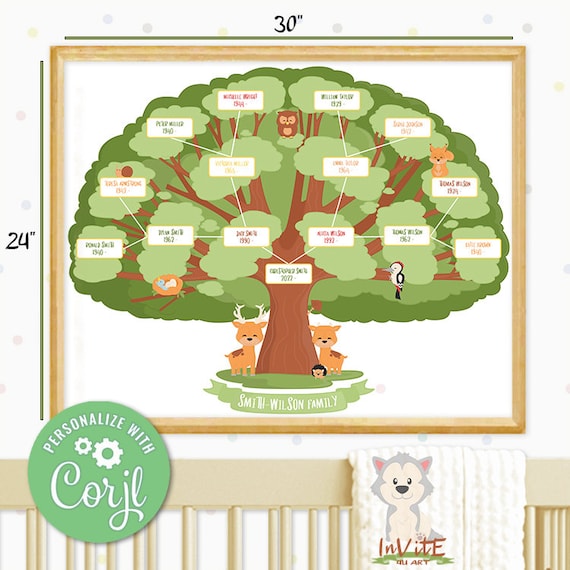
Most family trees use lines and branches to show relationships. A person may appear in a box or on a branch, with lines connecting parents to children and spouses to one another. Some trees focus on direct ancestors, while others include siblings, cousins, and extended family.
The layout can be simple or detailed. A basic tree might list names and dates. A more complete version may include birthplaces, marriage details, occupations, photographs, documents, and stories. There is no single required format—the best family tree is one that is clear and useful to you.
Start With What You Know
Begin with yourself, then add your parents, grandparents, and other relatives. Write down each person’s full name, important dates, and places associated with their life. Mark anything you are unsure about rather than treating a guess as fact.
Family members can be excellent sources of information. Ask relatives about names, migrations, occupations, family traditions, and stories they remember. Record who shared each detail and when. Memories can offer valuable leads, even when dates or spellings need to be checked against other evidence.
Look for Records
Documents help verify and expand a family tree. Depending on the time and place, useful sources may include:
- Birth, marriage, and death records
- Census records and city directories
- Church registers, obituaries, and cemetery records
- Military, immigration, land, and probate records
- Family photographs, letters, diaries, and Bibles
Whenever possible, consult the original record or a reliable image of it. Keep a note of where each item came from, including its title, date, repository, and identifying details. This makes it easier to revisit a source and helps others evaluate your conclusions.
Build Carefully and Cite Your Sources
Names and dates can vary from one record to another. A person may have used a nickname, changed a surname, or been recorded with an unexpected spelling. Compare several sources before deciding that a record belongs to a particular relative. If the evidence is incomplete, make that uncertainty clear.
Attach a source citation to each important fact in your notes or genealogy software. A citation might identify a record collection, page number, certificate, or archive. Good documentation turns a family tree from a list of names into research that can be understood and checked.
Choose a Format That Works for You
You can draw a family tree by hand, create one with a spreadsheet, use genealogy software, or build it with an online service. Paper charts are easy to display, while digital tools can make it simpler to store sources, photographs, and notes. Consider keeping a backup of digital files and saving copies of important records.
It may also help to create separate charts for different branches of the family. A large tree can quickly become difficult to read, especially when it includes many generations and extended relatives.
Preserve More Than Names
A family tree is most meaningful when it includes the experiences behind the names. Add short biographies, memories, recipes, letters, and photographs when appropriate. Label images with known names, places, and approximate dates, and preserve the originals carefully.
Be thoughtful about privacy when sharing information online. Living relatives may prefer that personal details, photographs, or sensitive family stories not be made public without their permission.
Every Family Tree Is a Work in Progress
Research often leads to new questions, and even long-established conclusions may change when new evidence appears. Keep track of what you know, what you still need to find, and why you reached each conclusion. With patience and careful recordkeeping, a family tree can become a lasting resource for relatives and future generations.
6 Tips for Building an Accurate Family Tree
- Start with yourself and work backward.
- Record full names and birth dates.
- Ask relatives for stories and documents.
- Label each relationship clearly.
- Use consistent symbols and colors.
- Check sources before adding details.
Start with yourself and work backward.
Start with yourself and work backward, adding your parents, grandparents, and earlier generations one at a time. This approach gives your family tree a clear foundation and helps you focus on finding reliable information for each generation before moving further into the past. Record names, dates, and places, and note where each detail came from so you can verify it as your research grows.
Record full names and birth dates.
Record each relative’s full name and birth date in your family tree to help distinguish people with similar names and keep generations in the right order. Include middle names, maiden names, and alternate spellings when known, and note where each detail came from. If a birth date is uncertain, mark it as approximate rather than presenting a guess as fact.
Ask relatives for stories and documents.
Ask relatives to share the stories and documents they have about your family. A conversation may uncover memories of ancestors, family traditions, migrations, or important events that never appeared in official records. Ask permission to scan or copy photographs, letters, certificates, diaries, and other keepsakes, and write down who provided each item and any details they remember. These personal sources can add context and character to your family tree while helping preserve family history for future generations.
Label each relationship clearly.
Label each relationship clearly so anyone viewing your family tree can understand how people are connected. Use consistent terms such as parent, child, spouse, and sibling, and make sure lines or symbols clearly show each connection. When relationships are uncertain or more complex, add a brief note rather than leaving viewers to guess. Clear labels make your family tree easier to read, share, and update as you discover new information.
Use consistent symbols and colors.
Use consistent symbols and colors throughout your family tree so relationships and details are easy to understand. For example, choose one symbol for births, another for marriages, and a specific color for each family branch or type of information. Add a small legend to explain your choices, and apply them the same way across the chart. A clear, consistent system makes your family tree easier to read, update, and share with relatives.
Check sources before adding details.
Before adding information to your family tree, check the sources that support it. Names, dates, and relationships can differ across family stories and historical records, so compare reliable documents—such as birth, marriage, death, census, or church records—whenever possible. Keep a note of where each detail came from, and mark uncertain information as unconfirmed rather than presenting it as fact. This helps make your tree more accurate and allows others to follow your research.