
Unlocking Your Heritage: The Power of a Family History Search Organization
Exploring Your Roots: The Importance of Family History Search Organizations
Embarking on a journey to uncover your family’s history can be a fascinating and rewarding experience. Family history search organizations play a crucial role in assisting individuals in tracing their lineage, understanding their heritage, and connecting with their roots.
These organizations serve as valuable resources for genealogical research, providing access to archives, databases, and expert guidance that can help individuals piece together the puzzle of their family tree. By delving into historical records, documents, and other sources of information, individuals can discover fascinating details about their ancestors’ lives, experiences, and contributions to society.
Family history search organizations also offer a sense of community and support for individuals embarking on this journey. Through workshops, seminars, and networking opportunities, members can share knowledge, exchange tips and tricks, and collaborate on research projects. This collaborative environment fosters a sense of camaraderie among fellow genealogy enthusiasts and provides a platform for learning and discovery.
Moreover, family history search organizations play a vital role in preserving cultural heritage and historical narratives for future generations. By documenting family histories and sharing stories of the past, these organizations contribute to a collective understanding of our shared human experience.
Whether you are just beginning your exploration into your family’s past or are a seasoned genealogy enthusiast looking to expand your research capabilities, family history search organizations offer a wealth of resources and support to help you along the way. Embrace the opportunity to delve into the depths of your ancestry, unravel the mysteries of generations past, and connect with your heritage in meaningful ways.
6 Essential Tips for Tracing Your Family History
- Start by gathering information from your immediate family members.
- Organize your findings by creating a family tree or using genealogy software.
- Utilize online resources such as ancestry websites and historical records.
- Visit local libraries, archives, and genealogical societies for more in-depth research.
- Interview older relatives to gather stories and details that may not be documented elsewhere.
- Join online forums or local genealogy groups to connect with others who are also researching their family history.
Start by gathering information from your immediate family members.
To kickstart your journey into exploring your family history, a valuable tip is to begin by gathering information from your immediate family members. By engaging in conversations with parents, grandparents, siblings, and other relatives, you can uncover a wealth of knowledge about your family’s past, including names, dates, locations, and stories passed down through generations. These personal accounts serve as a foundation for further research and can provide essential clues for tracing your lineage back through the branches of your family tree. Remember, the stories shared by your loved ones are precious pieces of the puzzle that will help you piece together the intricate tapestry of your ancestry.
Organize your findings by creating a family tree or using genealogy software.
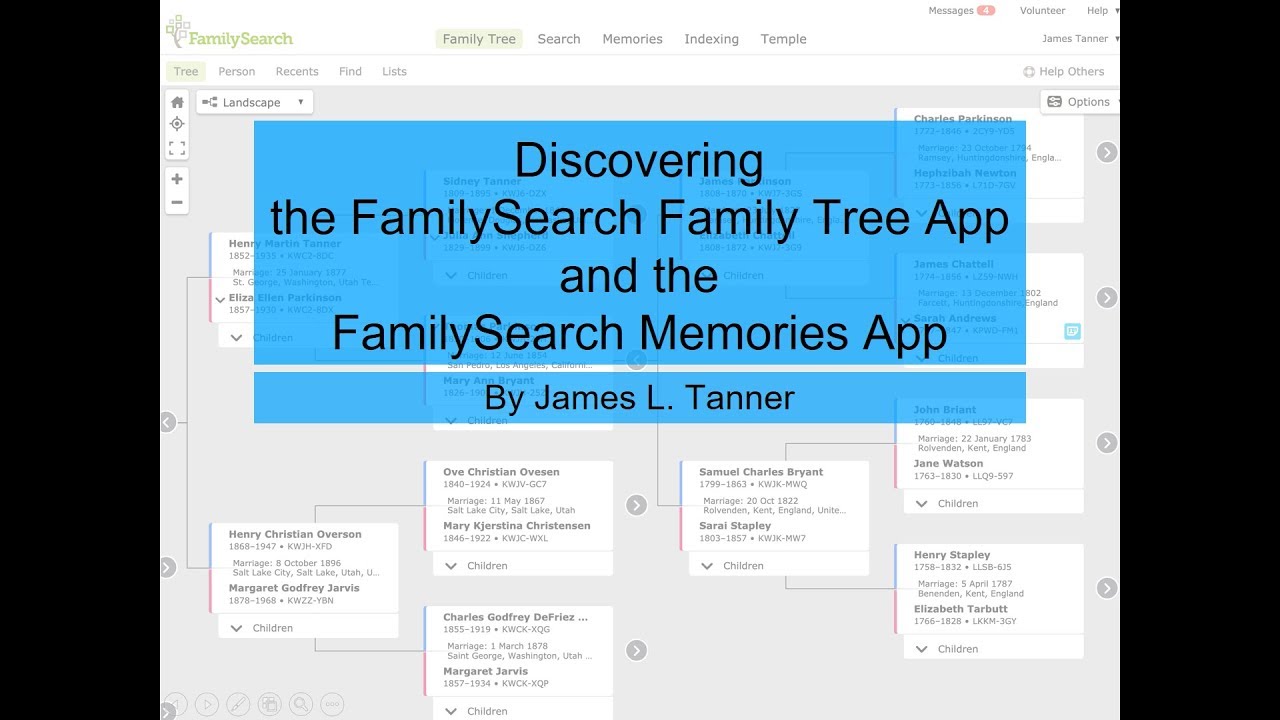
To enhance your family history search experience, consider organizing your findings by creating a family tree or utilizing genealogy software. By visually mapping out the connections between relatives and generations, a family tree provides a clear and structured overview of your ancestry. Genealogy software offers additional benefits such as data management tools, research assistance, and the ability to easily update and expand your family history records. These organizational tools not only streamline your research process but also help you uncover new insights and connections within your family lineage.
Utilize online resources such as ancestry websites and historical records.
To enhance your family history search, make full use of online resources like ancestry websites and historical records. These valuable tools provide access to a vast array of information, including census data, birth and death records, immigration documents, and more. By leveraging these online platforms, you can uncover crucial details about your ancestors’ lives and lineage from the comfort of your own home. Take advantage of the convenience and depth of knowledge that online resources offer to enrich your genealogical journey and piece together the puzzle of your family’s past.
Visit local libraries, archives, and genealogical societies for more in-depth research.
For a comprehensive exploration of your family history, consider visiting local libraries, archives, and genealogical societies to delve deeper into your research. These invaluable resources house a wealth of historical records, documents, and resources that can provide key insights into your ancestors’ lives and lineage. By tapping into the expertise and collections available at these institutions, you can uncover hidden gems of information, connect with knowledgeable researchers, and gain a richer understanding of your family’s heritage.
Interview older relatives to gather stories and details that may not be documented elsewhere.
Interviewing older relatives is a valuable tip when conducting family history research. By engaging in conversations with your elders, you can uncover stories, anecdotes, and details that may not be found in official records or documents. These personal accounts provide a unique perspective on your family’s history, offering insights into the lives, experiences, and relationships of past generations. Capturing these oral histories not only enriches your family tree but also preserves cherished memories and traditions for future generations to appreciate and learn from.
Join online forums or local genealogy groups to connect with others who are also researching their family history.
Joining online forums or local genealogy groups can greatly enhance your family history search experience. By connecting with fellow researchers who share your passion for unraveling ancestral mysteries, you can exchange valuable insights, tips, and resources. These communities provide a supportive environment where you can seek guidance, collaborate on research projects, and celebrate discoveries together. Engaging with like-minded individuals not only expands your knowledge base but also fosters a sense of camaraderie and shared enthusiasm for exploring the past.