
DNA Test Kits: What to Know Before You Buy
DNA Test Kits: What to Know Before You Buy
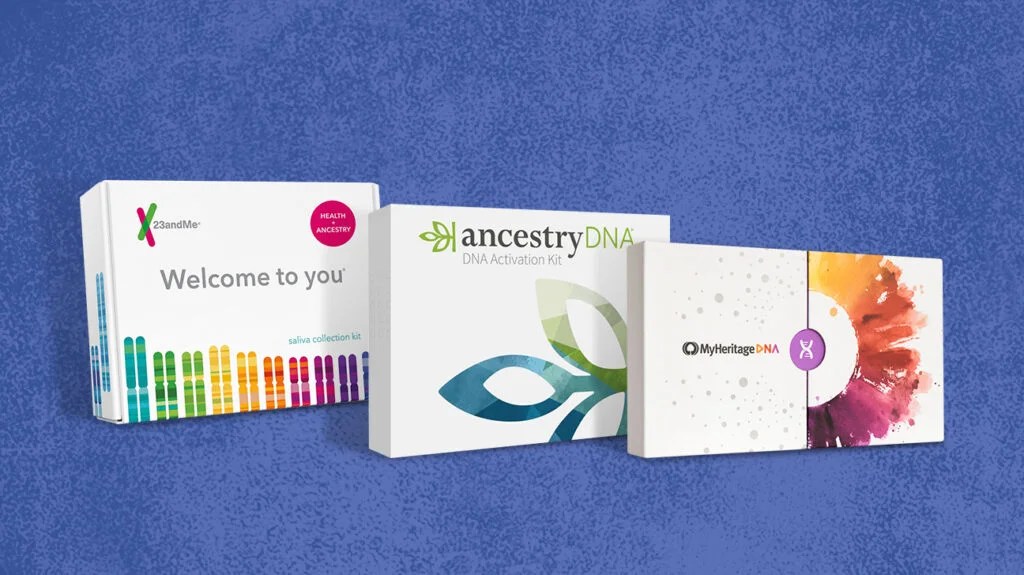
At-home DNA test kits make it possible to explore family history, learn about genetic traits, and—in some cases—receive information about health risks. The process is usually simple: order a kit, provide a saliva sample or cheek swab, and mail it to a laboratory. Results are typically delivered through a secure online account.
Before ordering a kit, it helps to understand what these tests can—and cannot—tell you. A DNA test is one source of information, not a complete account of your family history or a diagnosis of your health.
What DNA test kits can reveal
Most consumer DNA tests fall into a few broad categories:
- Ancestry tests compare parts of your DNA with reference samples to estimate the regions or populations your ancestors may have come from.
- Relative-matching tests look for genetic similarities with other people who have tested and chosen to participate in matching.
- Health-related tests may report certain genetic variants associated with inherited conditions, medication response, or other health traits.
- Trait tests offer estimates related to features such as taste perception or certain physical characteristics.
The services offered vary by company, and some kits combine several types of results. Read the product details carefully so you know what is included.
How the testing process works
After registering a kit, you provide a saliva sample or collect cells from inside your cheek. The sample is returned to the company’s laboratory, where technicians analyze selected markers in your DNA. The company then compares those results with its databases and provides a report.
Processing times differ. Results may take several weeks, and the report can change as a company adds data or updates its methods. Ancestry estimates, in particular, are interpretations based on comparison groups—not exact measurements of every ancestor or location in your family tree.
Understanding ancestry results
Ancestry reports can offer useful clues, but they should be treated as estimates. Different companies may give the same person different regional breakdowns because they use different reference panels and analytical methods. Results may also become more detailed—or shift—when a company updates its database.
DNA matches can help identify relatives and guide family-history research. However, a match does not always reveal the precise relationship. Shared DNA can be consistent with more than one family connection, so records, family knowledge, and additional research are often needed to interpret a match.
Testing can also uncover unexpected information, such as an unknown biological relative or a difference between family stories and genetic results. Consider whether you and your relatives are comfortable with that possibility before testing or sharing results.
Health information and limitations
Some consumer kits report genetic variants linked to health conditions. These reports generally cover only a limited set of variants. A negative result does not rule out a condition, and a positive result does not necessarily mean a person will develop it. Many health outcomes involve multiple genes as well as lifestyle and environmental factors.
Consumer reports are not a substitute for medical care. If a result may affect your health decisions, discuss it with a healthcare professional or a genetic counselor. They can help explain what the result means and whether clinical testing is appropriate.
Privacy and data choices
DNA is uniquely identifying information, so review a company’s privacy policy before sending a sample. Pay attention to how it stores samples and genetic data, whether it shares information with research partners, how long it retains data, and what options you have to delete your account or request destruction of a sample.
Also check the company’s settings for relative matching and research participation. These options may be separate from the basic testing service. If you share results with relatives or upload them to another website, review that service’s privacy practices too.
Choosing a DNA test kit
When comparing kits, consider:
- Your goal: Decide whether you are most interested in ancestry, relative matching, health information, or a combination.
- Database size and reach: The usefulness of relative matching depends partly on how many people have tested and which populations are represented.
- Result details: Check what reports are included and whether additional features require a subscription or separate payment.
- Privacy controls: Look for clear choices about matching, research use, data retention, and deletion.
- Ongoing costs: Some services offer optional memberships or paid access to expanded records and tools.
- Support and updates: Find out how the company explains results and handles questions or revised reports.
Using DNA results with family-history research
A DNA test is most useful when combined with other evidence. Family documents, public records, photographs, interviews, and local historical resources can help confirm or question what a DNA report suggests. Keep notes about where each finding came from, and avoid treating a single estimate or match as conclusive proof.
For anyone exploring family history, DNA test kits can open new paths of discovery. A thoughtful approach—one that considers the limits of the results, the feelings of relatives, and the privacy of genetic data—can help make the experience more useful and responsible.
DNA Test Kit FAQs: How They Work, Accuracy, Ancestry, Relatives, Results, Privacy, and Health
- How do at-home DNA test kits work?
- How accurate are DNA test kit results?
- What can a DNA test kit tell me about my ancestry?
- Can DNA test kits identify biological relatives?
- How long does it take to get DNA test results?
- How do DNA test companies protect my genetic data?
- Can a DNA test kit diagnose a genetic health condition?
How do at-home DNA test kits work?
At-home DNA test kits typically work by collecting a saliva sample or cheek swab and mailing it to a laboratory. After registering the kit, the lab analyzes selected genetic markers and compares them with reference data to generate results, such as ancestry estimates or potential relative matches. Results are usually available through a secure online account within a few weeks. The exact process and information provided vary by company, and results are estimates—not a complete record of your ancestry or a medical diagnosis.
How accurate are DNA test kit results?
DNA test kit accuracy depends on what the test is measuring. The lab analysis of specific genetic markers is generally reliable, but ancestry estimates are comparisons with a company’s reference database, so regions and percentages may vary between providers or change as databases are updated. Relative matches can point to biological relationships, though they may not identify the exact relationship on their own. Health-related results typically cover only selected genetic variants and cannot diagnose or rule out a condition. For medical decisions or important family-history questions, discuss results with a qualified healthcare professional or genetic counselor.
What can a DNA test kit tell me about my ancestry?
A DNA test kit can estimate which regions or populations your ancestors may have come from by comparing parts of your DNA with reference groups. Some services also identify potential genetic relatives who have taken the same test, which may offer clues for building a family tree. These results are estimates, not a complete record of your heritage, and they can vary between companies or change as databases are updated. For a fuller picture, compare DNA findings with family stories and historical records.
Can DNA test kits identify biological relatives?
Yes. Many DNA test kits can identify potential biological relatives by comparing your DNA with that of other people who have tested with the same service and opted into matching. The service may estimate how closely you are related, but it may not pinpoint the exact relationship, since different relatives can share similar amounts of DNA. Family records and other research can help clarify a match, and results may sometimes reveal unexpected family connections.
How long does it take to get DNA test results?
DNA test results typically take about 3 to 8 weeks after the lab receives your sample, though timing varies by company, test type, and sample volume. Shipping and processing can add time, and some companies may take longer during busy periods. Check your provider’s estimated turnaround time and tracking updates for the most accurate information.
How do DNA test companies protect my genetic data?
DNA test companies may protect genetic data using measures such as encryption, restricted employee access, and secure storage, but practices vary by provider. Before sending a sample, read the company’s privacy policy to learn how your DNA and account information are stored, whether they may be shared with research partners or other organizations, and how long the physical sample is kept. Check whether you can opt out of research or relative matching, request deletion of your data, and ask for your sample to be destroyed. Because genetic information can also reveal details about relatives, consider these choices carefully before testing or sharing results.
Can a DNA test kit diagnose a genetic health condition?
No. A consumer DNA test kit cannot diagnose a genetic health condition. It may identify certain variants linked to health risks, but it usually tests only a limited set of genetic markers, and results can be uncertain or incomplete. A negative result does not rule out a condition, and a positive result does not mean you will develop one. For medical decisions, discuss the results with a healthcare professional or genetic counselor, who can explain what they mean and recommend clinical testing if appropriate.