
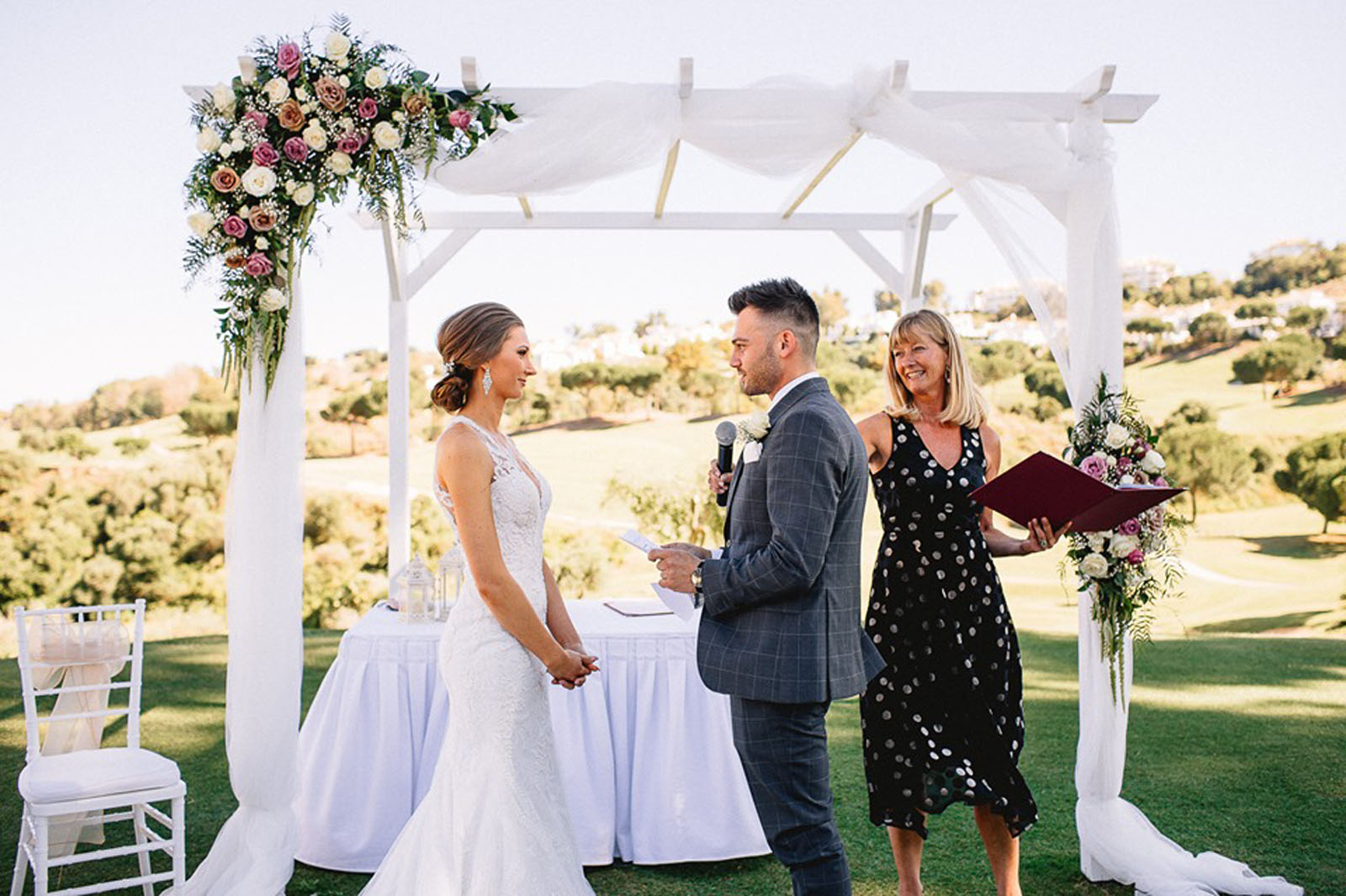
Tracing Marriages in Chickasaw County, Iowa
Researching Marriages in Chickasaw County, Iowa
Marriage records can be valuable clues in family history research. They may help establish when and where a couple married, identify their parents or witnesses, and connect families across generations. For anyone researching Chickasaw County, Iowa, marriage records are a good place to look—but they are only one part of the story.
What Marriage Records May Reveal
The information recorded varies by time period and document type. A marriage record or certificate may include the couple’s names, the date and place of marriage, their residences, ages, and the names of the officiant and witnesses. Some records may also provide parents’ names or other details. Earlier records can be brief, while later documents may contain more information.
Related records can add context. Marriage applications, licenses, returns, church registers, newspaper announcements, and obituaries may each contain different details. A license generally shows that a couple received permission to marry; a return or certificate may document that the ceremony took place.
Where to Look
- County records: Check with the Chickasaw County office responsible for vital records or historical records to learn what is available, how records can be searched, and whether access restrictions apply.
- Iowa vital records: State-level records and indexes may help locate a marriage or explain how to request an official record. Availability and access rules depend on the record’s date.
- Church records: Congregations sometimes recorded marriages, especially when civil records are incomplete or difficult to locate.
- Newspapers: Local newspapers may have published engagement notices, wedding announcements, or accounts of a ceremony. Search both the bride’s and groom’s names when possible.
- Genealogical collections: Libraries, archives, and genealogy organizations may hold indexes, transcriptions, or family histories that point to original records. Treat transcriptions as leads and verify details against the source when possible.
Tips for a Successful Search
- Estimate a date range. Use census records, birth records, children’s ages, obituaries, and family papers to narrow down when the marriage may have taken place.
- Search name variations. Try alternate spellings, initials, nicknames, and different versions of a surname. Handwriting and older indexes can make names difficult to read.
- Look for both partners. A record may be indexed under either person’s name. If one search fails, try the other.
- Consider nearby places. Couples may have married outside the county where they lived. Search neighboring counties and communities as well as Chickasaw County.
- Follow up with related records. A marriage entry may lead to a church, newspaper, or courthouse record with additional information.
- Record your sources. Note the record title, repository, date, page or certificate number, and any access information. This makes it easier to revisit the record and share your findings.
Read the Record in Context
A marriage record is a snapshot, not a complete family history. Names may be misspelled, ages may be inaccurate, and information may have been provided by someone other than the couple. Compare each detail with other records, and distinguish clearly between what a document states and what you have inferred.
With patience and careful comparison, marriage records can help reveal the connections that shaped Chickasaw County families. Each document offers another opportunity to learn about the people who lived, worked, worshiped, and built their lives in the community.
9 Essential Tips for a Strong and Lasting Marriage
- Communicate honestly and kindly.
- Make time for regular date nights.
- Listen to understand, not just reply.
- Show appreciation every day.
- Discuss finances openly.
- Resolve conflicts with respect.
- Share household responsibilities fairly.
- Support each other’s goals.
- Keep building trust through small actions.
Communicate honestly and kindly.
Honest, kind communication is essential to a strong marriage. Share your thoughts and feelings openly, listen with care, and approach difficult conversations with respect rather than blame. Even when you disagree, patience and compassion can help you understand one another, work through challenges, and build trust over time.
Make time for regular date nights.
Make time for regular date nights to keep your marriage strong and connected. Set aside distractions, enjoy an activity you both love, or simply share a meal and talk. Even a simple, low-cost outing can create meaningful time together, encourage open communication, and remind you to keep nurturing your relationship amid everyday responsibilities.
Listen to understand, not just reply.
When discussing marriage, make a conscious effort to listen to understand rather than simply preparing a reply. Give your partner your full attention, ask thoughtful questions, and reflect back what you heard to make sure you understand their perspective. This kind of listening can build trust, ease misunderstandings, and help both partners feel respected and valued.
Show appreciation every day.
A lasting marriage is built through everyday acts of appreciation. Make time to notice and acknowledge the thoughtful things your spouse does, whether it’s offering support, sharing a household task, or simply making you smile. A sincere thank-you, a kind word, or a small gesture of affection can help your partner feel valued and strengthen your connection over time.
Discuss finances openly.
Discussing finances openly before marriage can help couples build trust and make informed decisions together. Talk honestly about income, debt, savings, spending habits, financial goals, and expectations for managing shared expenses. Regular, respectful conversations can help prevent misunderstandings and create a stronger foundation for planning a future together.
Resolve conflicts with respect.
When researching marriage records, you may find conflicting dates, names, or details across documents. Approach these differences with respect for the people and families involved, and avoid assuming that one source—or one person’s account—is automatically correct. Compare records, consider who provided the information and when, and explain uncertainties thoughtfully. Careful, respectful research helps preserve family history without turning unanswered questions into unsupported conclusions.
Share household responsibilities fairly.
Sharing household responsibilities fairly helps both partners feel respected, supported, and valued. Talk openly about the tasks that need to be done, consider each person’s schedule and strengths, and agree on a division of work that feels balanced. Check in regularly and adjust the plan as circumstances change—working as a team can reduce stress and make more room for connection.
Support each other’s goals.
Supporting each other’s goals helps build a strong, lasting marriage. Make time to listen to what matters to your partner, celebrate their progress, and offer encouragement when challenges arise. Supporting one another doesn’t mean giving up your own ambitions; it means creating a partnership where both people feel respected, understood, and able to grow.
Keep building trust through small actions.
Trust in a marriage grows through small, consistent actions over time. Listening with care, following through on promises, showing appreciation, and being honest—even about everyday things—help partners feel respected and secure. These gestures may seem simple, but repeated acts of consideration strengthen connection and make it easier to face challenges together.