
The Benefits of Exploring Your Family History
The Benefits of Exploring Your Family History
Genealogy offers more than names and dates on a family tree. Researching your family history can help you understand the people, places, and experiences that shaped your family—and connect those stories to the broader history of Chickasaw County, Iowa.
Discover Your Family’s Stories
Records such as census schedules, newspapers, photographs, land documents, and cemetery records can reveal how earlier generations lived. Each source may add details about a relative’s work, community, migration, or everyday life. Over time, these discoveries can turn a list of ancestors into a more meaningful family story.
Connect Family History to Local History
Family research often leads to questions about the places where ancestors lived. Learning about local schools, churches, businesses, farms, and community events can provide context for a family’s experiences. Exploring Chickasaw County’s history may also help researchers understand how local events and changes affected the people who came before them.
Preserve Information for Future Generations
Family knowledge can be lost when photographs go unidentified, records are misplaced, or stories are not shared. Organizing research and documenting sources helps preserve what has been learned. Sharing family histories with relatives can also encourage younger generations to ask questions and contribute their own memories.
Build Skills and Confidence
Genealogical research develops useful skills, including evaluating evidence, comparing records, and keeping organized notes. Researchers learn to distinguish documented facts from family traditions and to follow promising leads carefully. These skills can make family-history projects more accurate and rewarding.
Learn With Others
Genealogy can be a collaborative pursuit. Conversations with relatives, fellow researchers, and local history enthusiasts may uncover new clues or suggest useful sources. Sharing questions and discoveries can make a challenging research problem easier to approach and help everyone learn from one another.
Begin Your Research
Start with what you already know. Talk with family members, write down names and dates, and gather photographs and documents. Then work backward one generation at a time, checking each detail against reliable records and noting where the information came from. A careful, steady approach can lead to discoveries that deepen your understanding of both your family and the community it called home.
Exploring family history is a way to honor the past, preserve valuable knowledge, and create connections across generations. Whether you are just beginning or have been researching for years, every well-documented story adds to a richer picture of Chickasaw County’s heritage.
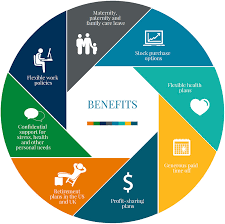
Maximize Your Benefits: 5 Essential Tips for Employees
- Review your benefits package each year.
- Compare health plans before enrolling.
- Use your employer’s retirement match.
- Check which preventive services are covered.
- Track enrollment deadlines and required paperwork.
Review your benefits package each year.
Review your benefits package each year to make sure it still fits your needs and goals. Take time to understand your health coverage, retirement contributions, paid time off, and any other available perks, and note changes to costs or enrollment deadlines. Life events such as a new job, marriage, or a growing family may affect which options work best for you. If anything is unclear, contact your benefits administrator or human resources team before making your selections.
Compare health plans before enrolling.
Compare health plans before enrolling to find coverage that fits your health needs and budget. Look beyond the monthly premium: check deductibles, copayments, coinsurance, prescription coverage, provider networks, and out-of-pocket limits. Reviewing these details side by side can help you avoid unexpected costs and choose a plan that offers the right balance of affordability and care.
Use your employer’s retirement match.
If your employer offers a retirement-plan match, try to contribute enough to receive the full match. It’s an added benefit that can boost your retirement savings beyond your own contributions. Check your plan’s matching formula, contribution limits, and vesting schedule so you understand how much your employer may add and when those contributions become yours.
Check which preventive services are covered.
Check which preventive services your health plan covers, such as routine screenings, vaccinations, and wellness visits. Coverage can vary by plan, provider network, age, and health history, so review your benefits or contact your insurer before scheduling. Ask whether the service is considered preventive and whether you need an in-network provider; follow-up tests or treatment may have separate costs.
Track enrollment deadlines and required paperwork.
Tracking enrollment deadlines and required paperwork can make joining a program or organization much easier. Keep a list of key dates, required forms, fees, and supporting documents, and submit everything early when possible. Staying organized helps prevent missed deadlines, avoids last-minute stress, and gives you time to resolve questions or missing information before enrollment closes.