
The Best Way to Trace Genealogy: A Step-by-Step Guide
The Best Way to Trace Your Genealogy
Tracing your family history can be exciting, but it is easy to get lost in online family trees, conflicting dates, and stories passed down over generations. The best approach is to work step by step: begin with what you know, gather evidence, and follow each generation back using reliable records.
Start with Yourself and Your Family
Begin with your own information, then work backward through your parents, grandparents, and earlier generations. Record full names, dates, places, and relationships. Include maiden names and name variations when known.
Talk with relatives, especially older family members who may remember people, places, and events that are not written down elsewhere. Ask open-ended questions, such as “What do you remember about your grandparents?” or “Where did the family live before moving here?” With permission, record interviews or take notes. Treat memories as valuable clues, but plan to confirm details with records.
Gather Documents at Home
Family papers can provide a strong starting point. Look for birth and death certificates, marriage records, obituaries, funeral cards, family Bibles, letters, photographs, military papers, passports, and immigration documents. Check the backs of photographs and ask relatives who may be pictured.
Make digital copies of important items, and keep the originals in a safe place. Write down where each item came from and who provided it. This helps preserve both the document and its history.
Build a Family Tree One Generation at a Time
Work from the known to the unknown. For each person, seek evidence for key facts such as birth, marriage, death, and residence before moving to the next generation. Avoid jumping from a person with a familiar name to an unverified online tree. Many people share the same name, even within the same community.
A simple research log can keep your work organized. Note the question you are trying to answer, the records you searched, the results, and what you plan to try next. Also record unsuccessful searches; knowing where you have already looked can save time.
Use Records to Test Family Stories
Different records can help answer different questions. Useful sources include:
- Census records: Household members, ages, birthplaces, occupations, and neighbors.
- Vital records: Births, marriages, and deaths, depending on the location and time period.
- Church records: Baptisms, marriages, burials, and membership information.
- Obituaries and newspapers: Family relationships, community activities, and life events.
- Land, probate, and court records: Property, inheritance, legal relationships, and financial details.
- Military records: Service information, residences, and sometimes family details.
- Cemetery records: Dates, family groupings, and clues to relatives buried nearby.
- City directories and local histories: Addresses, occupations, and community connections.
Whenever possible, compare several independent records. A census may suggest a birth year, while a death certificate or church register may provide additional evidence. If sources disagree, note the differences rather than choosing the answer that seems most convenient.
Search by Place as Well as Name
Genealogy depends on geography. Learn the names of the towns, counties, states, and countries connected to your family. Boundaries and place names can change, so an ancestor’s record may be held by a different county or jurisdiction than expected.
Once you identify a location, explore local libraries, archives, historical societies, courthouses, churches, and genealogical organizations. Local sources may contain materials that have not been digitized or indexed online.
Evaluate Online Family Trees Carefully
Online databases and family trees can help you discover leads, but a tree is not proof by itself. Look for the records cited by its creator, then locate and evaluate those records yourself. Be especially cautious when a tree connects generations without documentation or assigns a person to a family based only on a matching name.
Save a citation for each record you use. A useful citation identifies the record, the person or event it concerns, and where you found it. Clear citations make it easier to revisit your conclusions and share your research with relatives.
Use DNA as a Clue, Not a Complete Answer
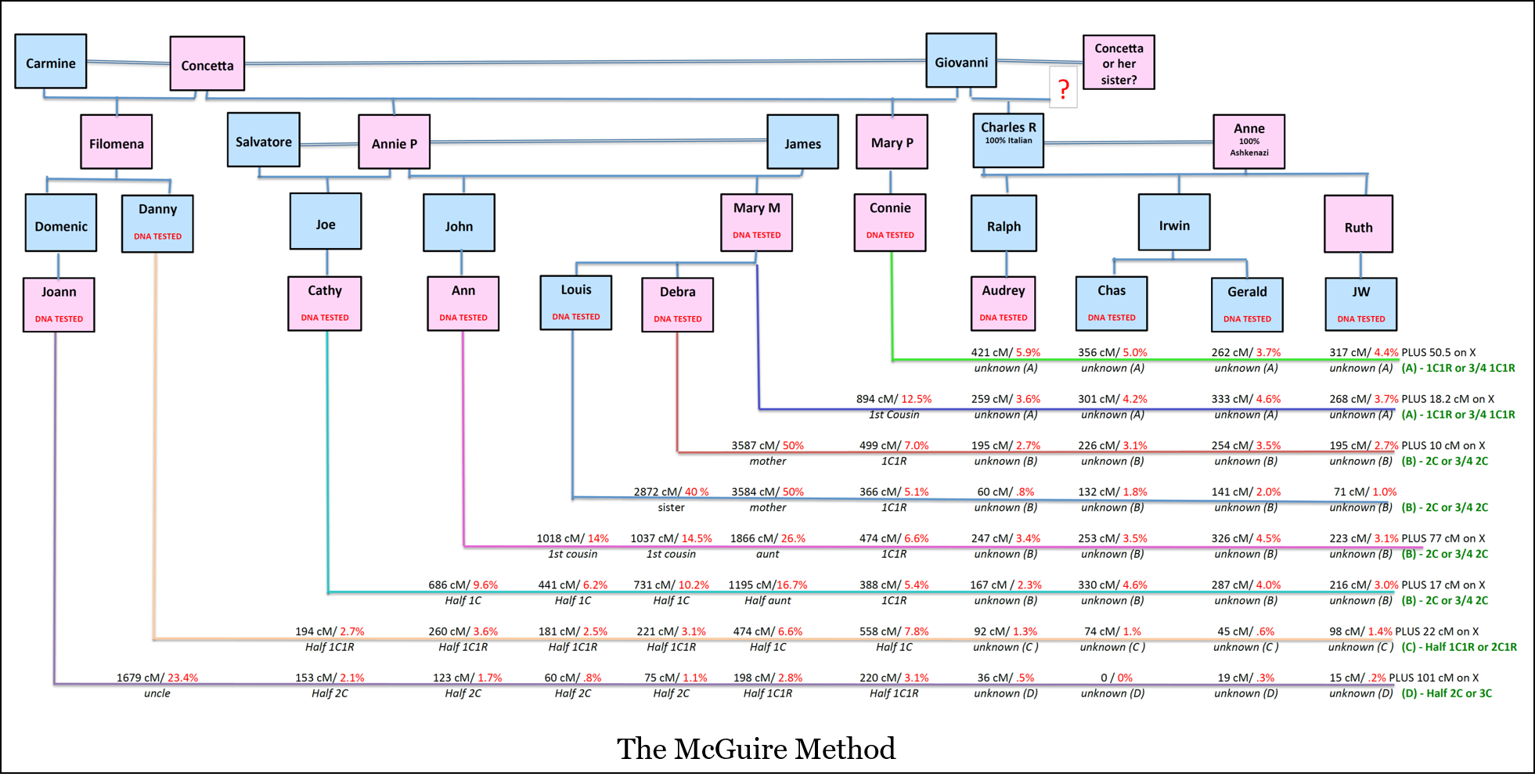
DNA testing can help identify genetic relatives and suggest connections, particularly when documentary research has reached a dead end. Results require careful interpretation. A match does not automatically reveal exactly how two people are related, and family trees attached to DNA profiles may contain errors.
Consider privacy before testing or sharing results. Read the testing company’s policies, discuss testing with relatives when appropriate, and remember that DNA discoveries can reveal unexpected family information.
Preserve What You Learn
Organize digital files with consistent names, such as a person’s name, document type, and date. Keep backups in more than one place. For photographs and papers, record names, dates, locations, and the source of the information whenever possible.
Share your findings with family members in a form they can use: a documented family tree, a short biography, a photo collection, or a written family history. Preserve the evidence along with the story so future researchers can understand how you reached your conclusions.
A Patient, Evidence-Based Approach Works Best
The most effective genealogy research is careful and incremental. Start with your own family, ask questions, search records connected to specific places, and document every conclusion. Some questions may take time to answer, but each reliable record adds another piece to the larger story of your family and the communities they called home.
Top 8 FAQs on Tracing Your Family History: A Comprehensive Guide to Genealogy Research
- How do I start researching my family history?
- What records are most useful for tracing genealogy?
- How can I verify information I find in online family trees?
- Where can I find census, birth, marriage, and death records?
- How do I trace my ancestors when I don’t know their names or exact dates?
- How can I use DNA testing to help with genealogy research?
- How should I organize and cite my genealogy research?
- What should I do when historical records contain conflicting information?
How do I start researching my family history?
Start with yourself and work backward one generation at a time. Write down names, dates, and places you already know, then talk with relatives and look for family documents such as certificates, photographs, letters, and obituaries. Use these clues to search census, vital, church, and newspaper records, and record where each fact came from. Treat online family trees as leads rather than proof, and verify important details with reliable records before adding them to your tree.
What records are most useful for tracing genealogy?
The most useful genealogy records depend on the person and time period, but birth, marriage, and death records are often a good place to start. Census records can show household members, ages, occupations, and places of birth, while obituaries, church registers, probate files, land records, military documents, and cemetery records may reveal family relationships and important life events. Compare information across multiple sources, since records can contain errors, and keep track of where each detail came from.
How can I verify information I find in online family trees?
To verify information in online family trees, treat each detail as a clue—not as proof. Look for the original records cited, such as birth, marriage, death, census, church, probate, or newspaper records, and review the records yourself when possible. Compare multiple independent sources, paying close attention to names, dates, places, and family relationships. If a tree provides no sources, use its information as a lead for further research rather than copying it as fact, and keep notes about the evidence and any conflicting details you find.
Where can I find census, birth, marriage, and death records?
Census records are often available through national and state archives, libraries, and reputable genealogy websites. For birth, marriage, and death records, check the state or county vital records office where the event occurred; older records may also be held by local courthouses, archives, churches, or historical and genealogical societies. Availability and privacy restrictions vary by location and date, so contact the relevant office or library to learn what records are accessible and how to request copies.
How do I trace my ancestors when I don’t know their names or exact dates?
If you don’t know your ancestors’ names or exact dates, start with what you do know: family stories, places they lived, approximate ages, occupations, relatives, or significant events. Talk with family members and review old photographs, letters, obituaries, family Bibles, and other papers for clues. Search records by location and a broad date range, using spelling variations and the names of possible relatives or neighbors. Census, church, newspaper, immigration, and cemetery records may help you identify people and narrow down dates. Keep track of each source and treat online family trees as leads to verify, not proof.
How can I use DNA testing to help with genealogy research?
DNA testing can complement traditional genealogy research by identifying genetic matches who may share ancestors with you and by suggesting connections between family lines. Choose a reputable testing service, review its privacy policies, and compare your results with documented family trees and historical records. DNA matches are clues, not proof on their own, so consider how much DNA you share, verify proposed relationships with records, and remember that results can reveal unexpected family information.
How should I organize and cite my genealogy research?
Organize your genealogy research by keeping a consistent record for each person, family, and research question. Use a family tree or genealogy software, maintain a research log noting what you searched and what you found, and save clear digital copies of documents in labeled folders with backups. For every fact, cite its source by recording details such as the document’s title or type, the person or event it concerns, the date, the repository or website, and any page or record number. Keeping citations with your findings makes it easier to verify conclusions, resolve conflicting information, and help relatives or future researchers retrace your steps.
What should I do when historical records contain conflicting information?
When historical records contain conflicting information, don’t choose one version immediately. Compare the sources and consider who provided the information, when it was recorded, and why it may be accurate—or mistaken. A birth record created near the event may be more reliable for a birth date than a later census, but every source should be evaluated in context. Look for additional independent records, note all discrepancies in your research log, and cite the evidence behind each conclusion. If the conflict can’t be resolved, record the uncertainty rather than presenting an uncertain detail as fact.