
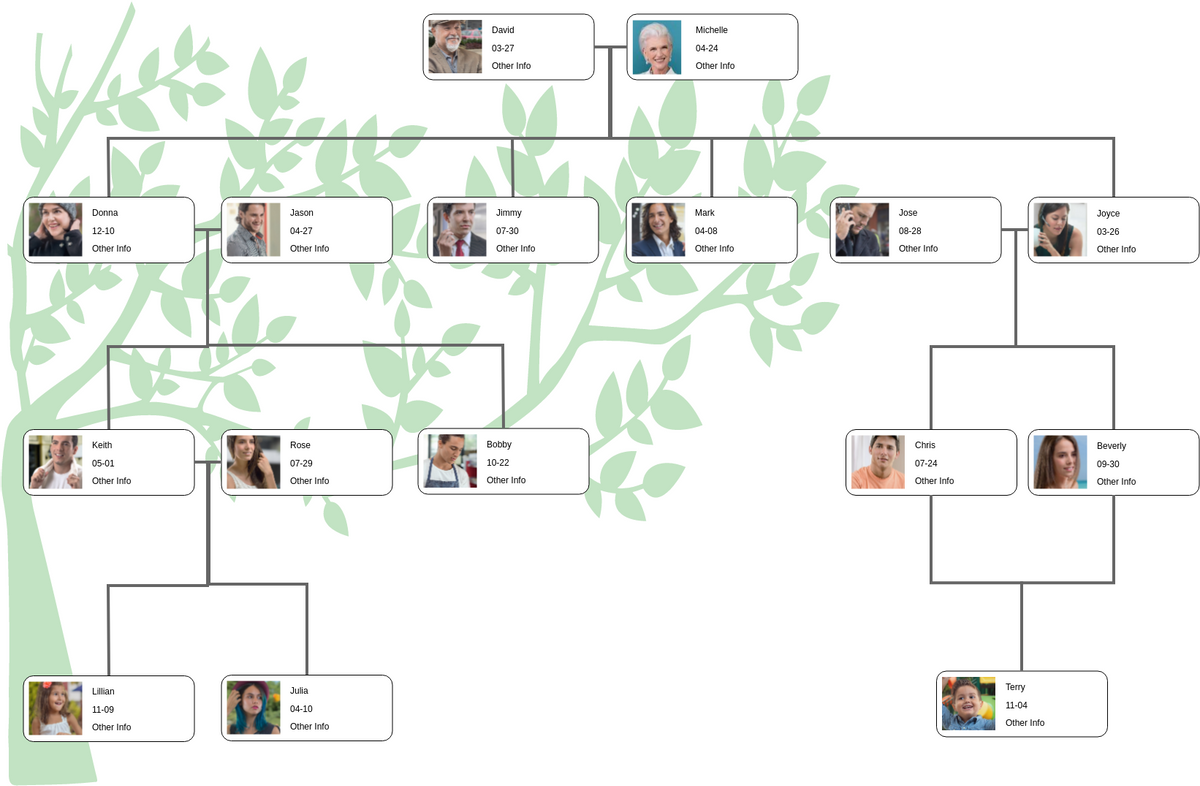
Exploring the Best Family Tree Maker Software of 2021
The Best Family Tree Maker Software of 2021
Family tree maker software has revolutionized the way we research and document our genealogy. In 2021, several exceptional tools have emerged to help individuals create detailed family trees, connect with relatives, and uncover fascinating stories from the past.
Ancestry.com Family Tree Maker
Ancestry.com’s Family Tree Maker stands out as one of the top choices for genealogists in 2021. With its user-friendly interface, vast database of historical records, and robust charting capabilities, this software makes it easy to build and explore your family tree.
MyHeritage Family Tree Builder
MyHeritage’s Family Tree Builder is another popular option that offers powerful features for organizing and sharing family history. With smart matching technology and access to billions of historical records, MyHeritage helps users uncover new connections and expand their family tree with ease.
Legacy Family Tree
Legacy Family Tree is a comprehensive software solution that caters to both beginners and experienced genealogists. Its intuitive interface, research guidance tools, and customizable reports make it a versatile choice for creating detailed family trees and preserving your heritage.
RootsMagic
RootsMagic is a versatile family tree maker software that combines powerful tools with simplicity. With features like color coding, multimedia support, and integration with online databases, RootsMagic offers a seamless experience for tracking your ancestry and sharing your findings with others.
Whether you’re just starting your genealogy journey or looking to enhance your research capabilities in 2021, these top family tree maker software options provide the tools you need to uncover your roots, connect with relatives, and preserve your family’s unique story for future generations.
Essential FAQs for Choosing and Using Family Tree Maker Software in 2021
- 1. What is the best family tree maker software in 2021?
- 2. How do I choose the right family tree maker software for my needs?
- 3. Can I import data from other genealogy programs into family tree maker software?
- 4. Are there online tutorials or support resources available for using family tree maker software?
- 5. Does family tree maker software offer features for DNA testing integration?
- 6. Is it possible to collaborate with other users or share my family tree created with the software?
- 7. What are the system requirements for running family tree maker software on different devices?
1. What is the best family tree maker software in 2021?
When it comes to choosing the best family tree maker software in 2021, there are several top contenders that stand out for their user-friendly interfaces, robust features, and extensive databases. Ancestry.com’s Family Tree Maker, MyHeritage Family Tree Builder, Legacy Family Tree, and RootsMagic are among the most popular options that offer a range of tools to help genealogists create detailed family trees, connect with relatives, and explore their heritage. Each software has its unique strengths, making it essential for individuals to consider their specific needs and preferences when selecting the best family tree maker software for their genealogy research in 2021.
2. How do I choose the right family tree maker software for my needs?
When selecting the most suitable family tree maker software for your needs in 2021, it is essential to consider several key factors. Firstly, assess your level of experience with genealogy research and the complexity of your family history project. Look for software that aligns with your skill level, offering user-friendly features for beginners or advanced tools for seasoned genealogists. Additionally, consider the size of your family tree and the extent of collaboration you anticipate with relatives. Choose a platform that supports scalability and enables easy sharing and collaboration to ensure a seamless experience as you document and explore your family’s heritage. Lastly, evaluate the software’s compatibility with your devices and operating systems to guarantee smooth integration into your genealogy workflow. By carefully weighing these factors, you can confidently select the right family tree maker software that meets your specific requirements and enhances your genealogical journey in 2021.
3. Can I import data from other genealogy programs into family tree maker software?
Importing data from other genealogy programs into family tree maker software is a common query among users exploring the capabilities of genealogy software in 2021. Many of the leading family tree maker programs, such as Ancestry.com’s Family Tree Maker, MyHeritage Family Tree Builder, Legacy Family Tree, and RootsMagic, offer robust features for importing data from various file formats and other genealogy software platforms. By facilitating seamless data migration, these tools empower users to consolidate their research efforts, merge family trees, and leverage existing information to create comprehensive and accurate family histories within the chosen software.
4. Are there online tutorials or support resources available for using family tree maker software?
For those exploring family tree maker software in 2021, a common question arises: “Are there online tutorials or support resources available for using this software?” Fortunately, many family tree maker software providers offer a wealth of online tutorials, guides, and support resources to assist users in mastering their tools. From step-by-step video tutorials to comprehensive user manuals and community forums, these resources empower individuals to navigate the software’s features effectively, troubleshoot issues, and maximize their genealogical research efforts. Whether you’re a beginner seeking guidance or an experienced user looking to enhance your skills, the availability of online tutorials and support resources ensures that you can make the most of your family tree maker software experience.
5. Does family tree maker software offer features for DNA testing integration?
Many family tree maker software options in 2021 do indeed offer features for DNA testing integration. This functionality allows users to link their genetic test results directly to their family tree, providing valuable insights into their ancestry and potential connections with relatives. By incorporating DNA testing data into the software, users can discover new family connections, verify existing relationships, and gain a deeper understanding of their genetic heritage. This integration enhances the research capabilities of family tree maker software, enabling users to explore their genealogy in a more comprehensive and personalized way.
6. Is it possible to collaborate with other users or share my family tree created with the software?
One common query regarding family tree maker software in 2021 is whether it allows users to collaborate with others or share their created family trees. Many of the leading family tree maker software options offer robust features that facilitate collaboration and sharing. Users can often invite family members or fellow researchers to view, edit, or contribute to their family trees, fostering a sense of community and enabling collective efforts in genealogical research. By leveraging these collaborative tools, individuals can connect with relatives, exchange information, and build comprehensive family trees that reflect the shared heritage and stories of their ancestors.
7. What are the system requirements for running family tree maker software on different devices?
When considering the system requirements for running family tree maker software on different devices in 2021, it is essential to ensure compatibility and optimal performance. Typically, family tree maker software may have specific requirements such as minimum operating system versions, processor speeds, RAM capacity, and available storage space. Users should check the software’s official website or documentation for detailed information on supported devices and operating systems to ensure a seamless experience. Additionally, it is advisable to regularly update both the software and the device’s operating system to access new features and improvements while maintaining compatibility with evolving technology standards.