
Genealogy Archives Free: A Guide to Finding Family History Records
Genealogy Archives: Free Resources for Discovering Your Family History
Researching your family tree does not have to start with an expensive subscription. Many genealogy archives offer free access to historical records, photographs, newspapers, family histories, and research guides. With a little patience and a clear plan, you can use these resources to uncover valuable clues about your ancestors.
What Are Genealogy Archives?
Genealogy archives are collections of materials that help people learn about individuals, families, and communities in the past. They may include census records, birth and death notices, church registers, land documents, military files, letters, obituaries, and photographs. Some archives are fully digitized, while others are available only in person or through a local library or historical society.
Where to Find Free Genealogy Records
- FamilySearch: This free genealogy website offers a large collection of digitized historical records, family trees, and research guidance. Some records can be viewed only at a FamilySearch Center or an affiliated library.
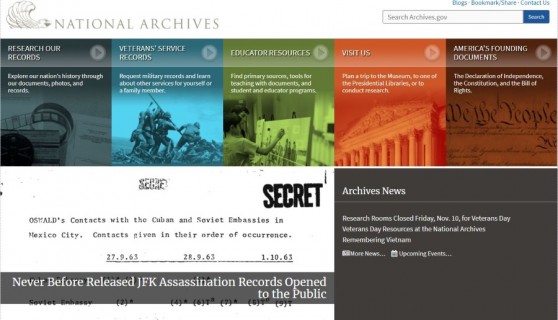
- National Archives: The U.S. National Archives provides online research guides and access to selected federal records, including military and immigration resources. Not every document is digitized, but its catalog can help you locate materials.
- Public libraries: Local and regional libraries often maintain genealogy collections or provide free access to genealogy databases inside the library. Their catalogs may also point to local histories, newspapers, and cemetery records.
- State and local archives: State archives, county offices, museums, and historical societies may hold records connected to a particular place. Their websites often explain what is available and how to request copies.
- Find a Grave and cemetery collections: Cemetery databases can provide burial locations, photographs of headstones, and useful family connections. Treat user-submitted details as clues and verify them with other sources.
- Digitized books and newspapers: Public-domain books, historical newspapers, and local-history collections can reveal obituaries, community news, biographies, and references to family members.
How to Search Archives Effectively
Begin with what you already know. Write down names, approximate dates, places, and relationships from family records and conversations. Then choose one person or family line to research at a time. Searching with a specific location and a date range is often more effective than entering a name alone.
Try spelling variations and alternate forms of a name. Historical records may contain misspellings, abbreviations, or names recorded as they sounded. If an online search returns no results, browse the collection by place or record type, or look for a surname in nearby communities.
Keep a research log that records the source, search terms, date, and result. Save a complete citation whenever possible, including the archive or website, collection name, document details, and page or image number. Good notes make it easier to revisit a discovery and help distinguish documented facts from family stories.
Check the Original Record
Indexes and family trees are useful starting points, but they can contain mistakes or leave out important details. Whenever possible, open the original record or a digital image of it. Compare information across multiple sources, since ages, names, and dates may differ from one document to another.
Also check access details before planning your research. “Free” may mean that a catalog or index is available online while the original image requires a library visit, a copy fee, or access through a participating institution. Local archives can explain their policies and may suggest other places to look.
Explore Local Genealogy Archives
County and community collections can be especially helpful because they preserve details that may not appear in national databases. Local histories, cemetery listings, school records, church materials, and newspaper clippings can add context to an ancestor’s life. Genealogical societies and historical organizations may also offer research assistance, workshops, or access to locally compiled records.
Free genealogy archives make family history research more accessible to everyone. Start with reliable sources, record where each fact comes from, and follow the evidence one clue at a time. Every document—whether a census entry, newspaper notice, or handwritten record—can bring a family story into clearer focus.
8 Common Questions About Accessing Free Genealogy Archives
- Is there a totally free Ancestry website FamilySearch?
- How far back can family trees go?
- What is the best free genealogy lookup?
- How can I trace back my ancestors for free?
- Are there any completely free genealogy sites?
- Is FamilySearch totally free?
- How to find old records of family?
- How can I trace a family member for free?
Is there a totally free Ancestry website FamilySearch?
Yes. FamilySearch.org is a free genealogy website where you can search many historical records, explore family trees, and use research guides; creating an account is also free. It is a separate nonprofit service, not a free version of Ancestry.com, and some digitized records may only be viewable at a FamilySearch Center or an affiliated library. Ancestry.com offers some free resources, but many of its records require a paid subscription.
How far back can family trees go?
How far back a family tree can go depends on the records available for each family line. Many researchers can document ancestors to the 1800s, while some lines reach much further through church registers, wills, land records, and other historical documents. Free genealogy archives can provide valuable clues, but older records may be incomplete, difficult to read, or available only in local collections. Follow reliable sources one generation at a time, and treat unverified online family trees as leads rather than proof.
What is the best free genealogy lookup?
FamilySearch is often the best place to start for a free genealogy lookup, offering searchable historical records, digitized documents, and research guidance. Create a free account to explore its collections, keeping in mind that some images are available only at a FamilySearch Center or partner library. For a more complete search, also check local library and historical society collections, which may have free access to regional newspapers, obituaries, cemetery records, and county histories.
How can I trace back my ancestors for free?
You can trace your ancestors for free by starting with family records, photographs, and conversations with relatives, then using free online genealogy archives such as FamilySearch, the U.S. National Archives, and state or local historical collections. Search census records, church registers, cemetery databases, digitized newspapers, and local histories, trying alternate spellings and approximate dates when needed. Keep notes on every search and record the source for each discovery. Free websites may provide indexes without showing the original document, so check public libraries, archives, and genealogical societies for additional access and help.
Are there any completely free genealogy sites?
Yes, several genealogy sites offer free access to records and research tools. FamilySearch is a major option, with a large collection of historical records and family-tree features; some digitized documents, however, can only be viewed at a FamilySearch Center or an affiliated library. Other free resources include the U.S. National Archives, public-library and state-archive websites, and many local historical societies. Free access varies: some sites provide complete record images, while others offer only catalogs or indexes, so check each collection’s terms and verify important details against original records when possible.
Is FamilySearch totally free?
Yes. FamilySearch is free to use, and creating an account does not require a subscription. Most records and family tree tools are available at no cost, though access to some digitized images is restricted to a FamilySearch Center or an affiliated library because of agreements with record holders. Certain links may also lead to third-party services that charge fees.
How to find old records of family?
To find old family records for free, start by gathering names, dates, and places from relatives, family papers, and photographs. Search free resources such as FamilySearch, the U.S. National Archives, public library catalogs, state and county archives, historical societies, and cemetery databases. Try alternate spellings and approximate dates, and search by location as well as by name. When you find an index or family-tree entry, look for the original record and note where it came from so you can verify the details and return to the source later.
How can I trace a family member for free?
You can trace a family member for free by starting with information your relatives already know, such as names, dates, and places, then searching free resources like FamilySearch, the National Archives’ online collections, public-library databases, and local historical society websites. Look for census records, birth and death indexes, obituaries, cemetery listings, and digitized newspapers, and try alternate spellings if a search comes up empty. Treat online family trees and indexes as clues, verify details against original records whenever possible, and keep notes on where each fact came from.