
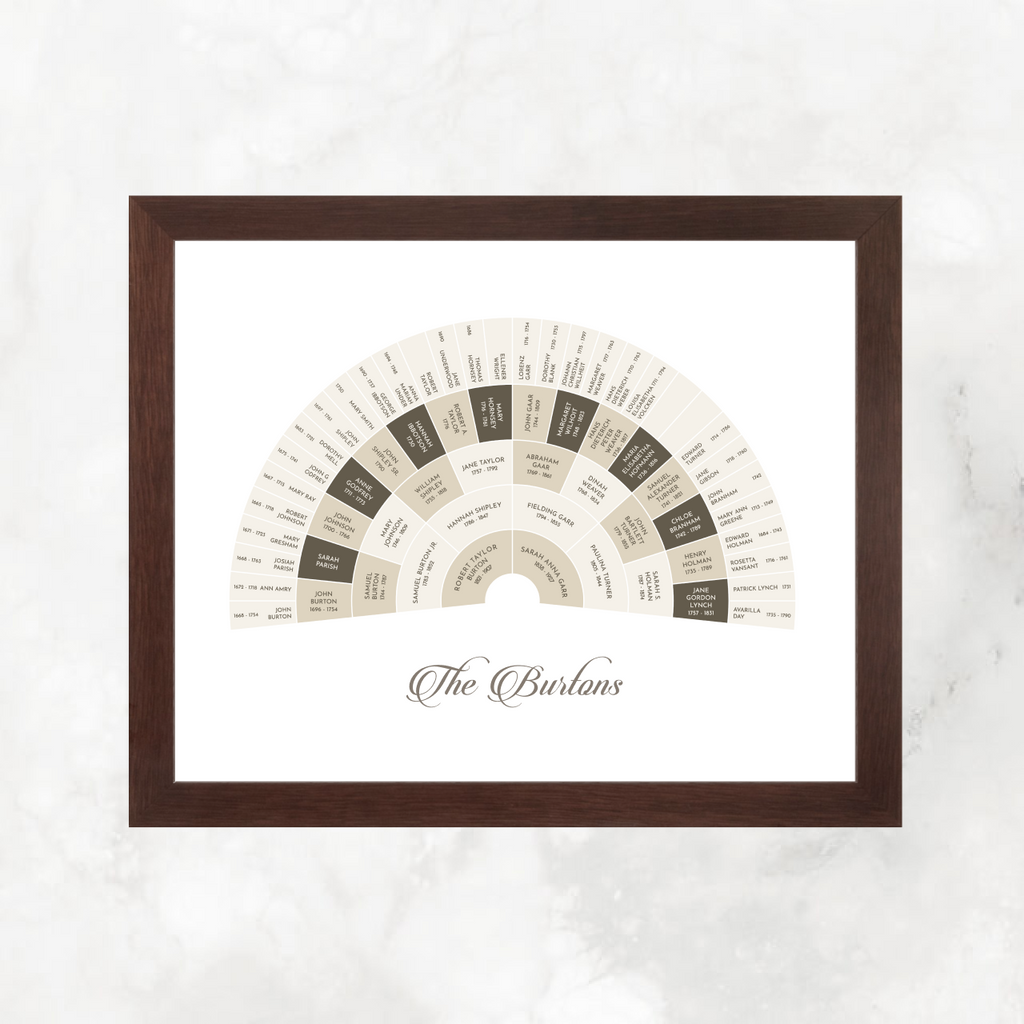
Genealogy Family Tree Forms: A Practical Guide to Organizing Your Family History
Genealogy Family Tree Forms: A Practical Guide
Family tree forms help organize the names, dates, places, and relationships uncovered during genealogical research. Whether you are just beginning to explore your family history or documenting years of research, a well-chosen form can make information easier to understand, share, and verify.
What Is a Genealogy Family Tree Form?
A genealogy family tree form is a structured chart or worksheet for recording family relationships and related details. Some forms display relatives in a visual diagram, while others provide spaces for research notes, sources, or information about one person at a time. Many family historians use more than one kind of form as their research grows.
Common Types of Family Tree Forms
Pedigree Chart
A pedigree chart begins with one person, often called the starting person or proband, and traces that person’s ancestors across generations. It usually shows parents, grandparents, great-grandparents, and so on. This is a helpful form for researching direct ancestry, but it generally does not include every sibling, aunt, uncle, or cousin.
Family Group Sheet
A family group sheet focuses on one couple and their children. It commonly includes names, birth and death information, marriage details, and places for notes or sources. Group sheets are useful for keeping a family together on paper and can reveal missing information—for example, a child whose birth date or later residence is not yet known.
Descendant Chart
A descendant chart starts with an ancestor and follows that person’s children, grandchildren, and later generations. It is useful for exploring a family line forward in time, identifying relatives who may hold family records, or organizing a reunion project.
Research Log and Individual Profile Forms
These forms are not always displayed as family trees, but they support reliable research. A research log tracks where you searched, what records you examined, and what you found. An individual profile form gathers details about one person, such as residences, occupations, military service, and relationships.
What Information Should You Record?
Start with the details you can support, such as a person’s full name, birth and death dates, marriage information, and places associated with those events. Add parents, spouses, and children when the relationships are documented. Depending on the form, you may also record:
- Alternate names, nicknames, and spelling variations
- Religious, military, immigration, or occupation details
- Residences and moves between towns or states
- Source references, such as a census, certificate, church register, or newspaper
- Questions that need further research
Use consistent place names and date formats so that information is easy to compare. If a detail is estimated, uncertain, or reported by someone else, label it clearly. A question mark or a note such as “about 1880” is more accurate than presenting a guess as a confirmed fact.
How to Choose the Right Form
Choose a form based on the question you are trying to answer. A pedigree chart is a good starting point for tracing ancestors. A family group sheet is better when you are researching a particular household or trying to account for all of a couple’s children. A descendant chart works well when following a family forward through generations.
Consider how much space you need. A printable chart may be convenient for a quick overview, while a spreadsheet or genealogy program may be easier to expand. For a detailed project, pair a visual chart with research logs and source notes. The chart shows relationships; the supporting records explain how those relationships were established.
Tips for Filling Out Family Tree Forms
- Begin with what you know. Record your own information and work backward or forward one relationship at a time.
- Separate facts from assumptions. Do not add a parent, spouse, or child to the chart solely because a name seems to fit.
- Record sources as you go. Note where each important fact came from, including the record title, date, location, and page or image number when available.
- Keep original names and spellings. Record a name as it appears in a source, and note variations rather than silently changing them.
- Mark unknown details clearly. Leave a field blank or identify it as unknown instead of filling it with an unsupported guess.
- Update forms carefully. When new evidence changes a conclusion, revise the chart and keep a note about what changed and why.
Paper, Digital, or Both?
Paper forms are easy to print, annotate, and bring to libraries or family gatherings. Digital forms are easier to copy, search, and update, especially when a family tree includes many branches. A practical approach is to keep a digital master and print selected charts when needed. Save backup copies of digital files, and include source notes so that information remains understandable over time.
Protecting Family Information
Family history can include personal details about living relatives. Ask permission before sharing sensitive information, and avoid publishing private details such as birth dates, addresses, or medical information without consent. When sharing a tree online, check the privacy settings and consider limiting information about living people.
A Form Is a Starting Point
Genealogy family tree forms provide a clear framework for organizing research, but a chart alone does not prove a relationship. The strongest family histories connect each conclusion to reliable records and explain any uncertainties. By choosing the right forms, recording sources, and updating information as evidence develops, you can create a family tree that is both useful and trustworthy.
Top 5 FAQs About Genealogy Family Tree Forms: Understanding, Finding, and Filling Them Out
- What is the difference between a pedigree chart and a family group sheet?
- Where can I find free printable genealogy family tree forms?
- What information should I include on a family tree form?
- How do I fill out a genealogy family tree form when some information is unknown?
- What sources should I use to verify information on a family tree form?
What is the difference between a pedigree chart and a family group sheet?
A pedigree chart shows one person’s direct ancestors—parents, grandparents, great-grandparents, and earlier generations—so it’s useful for seeing your family line at a glance. A family group sheet focuses on one couple and their children, with space to record details such as names, dates, places, and sources. In short, a pedigree chart traces ancestry across generations, while a family group sheet documents one family unit in greater detail.
Where can I find free printable genealogy family tree forms?
Free printable genealogy family tree forms are available from FamilySearch, many public library and genealogical society websites, and other genealogy resource sites. Look for pedigree charts to trace ancestors, family group sheets to document parents and children, and descendant charts to follow a family forward through generations. Choose a form that includes space for source notes, so you can record where each detail came from and verify it later.
What information should I include on a family tree form?
Include each person’s full name, along with known birth, marriage, and death dates and places. Add relationships—such as parents, spouses, and children—and note name variations, occupations, residences, or other useful details when relevant. Record the source for each important fact, such as a census, certificate, church register, or family document. If information is uncertain or estimated, label it clearly rather than presenting it as confirmed.
How do I fill out a genealogy family tree form when some information is unknown?
When information is unknown, leave the field blank or write “unknown” rather than guessing. If you have an approximate date or place, label it clearly—for example, “about 1880”—and note what the estimate is based on. Record what you do know, such as a person’s name or relationship, and add a note about what still needs research. Keep sources for confirmed details, and update the form if reliable evidence later fills in the gaps.
What sources should I use to verify information on a family tree form?
Use reliable records to support each name, date, place, and family relationship on your form. Useful sources include birth, marriage, and death certificates; census records; church registers; obituaries; wills and probate files; land and court records; military documents; immigration and naturalization records; and family Bibles or letters. Whenever possible, consult original records or clear images of them, and compare details across independent sources because records can contain errors. Note the source for each fact, including its title, date, location, and page or image number, so you or another researcher can verify it later.