
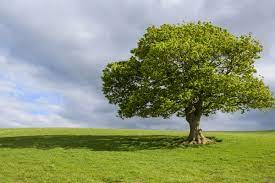
The Quiet Foundations of Life
Trees: The Quiet Foundations of Life
Trees are among the most familiar and important features of the natural world. They provide shade, shelter, food, and beauty, while supporting ecosystems across the planet. From towering redwoods to small fruit trees in a backyard, each tree plays a part in the life of its surroundings.
What Makes a Tree?
A tree is a perennial plant that typically has a woody trunk, branches, and leaves. Unlike grasses and many shrubs, trees often grow tall and live for decades—or even centuries. Their roots anchor them in the soil and absorb water and nutrients. The trunk supports the branches and carries water upward, while leaves capture sunlight to help the tree make food through photosynthesis.
Though trees share these basic features, they come in remarkable variety. Some lose their leaves each autumn, while evergreen trees keep their foliage throughout the year. Some produce flowers and fruit; others develop cones. Their shapes, sizes, and adaptations reflect the climates and habitats in which they grow.
Why Trees Matter
Trees help sustain life in many ways. Through photosynthesis, they take in carbon dioxide and release oxygen. They also store carbon in their trunks, branches, roots, and the soil around them. This makes forests an important part of the global carbon cycle.
Trees also provide habitat and food for wildlife. Birds build nests in branches, insects feed on leaves and bark, and mammals may rely on nuts, fruit, or seeds. A single tree can support a community of living things, from organisms in its roots to animals in its canopy.
In towns and cities, trees offer practical benefits. Their shade can make streets and yards more comfortable on hot days. Trees can help absorb rainwater, reduce soil erosion, filter some air pollutants, and soften the noise and hard edges of built environments. Green spaces with trees can also provide inviting places to walk, rest, and gather.
Trees and People
People have depended on trees throughout history. Wood has been used to build homes, make tools, and provide fuel. Trees also supply foods such as apples, olives, nuts, and maple syrup, as well as materials used in paper, medicine, and other products.
Trees hold cultural and personal meaning, too. A familiar tree may mark a childhood home, a community gathering place, or an important moment in someone’s life. In many places, planting a tree is a way to celebrate, remember, or express hope for the future.
Challenges Facing Trees
Trees face threats from habitat loss, pests, disease, severe weather, and changing climate conditions. Development and land-use changes can remove trees and break up forests. Invasive insects and pathogens may damage species that have few natural defenses. Drought, heat, and storms can also place stress on trees, especially those growing in unsuitable conditions.
Protecting trees requires more than planting new ones. Existing trees need care, and planting projects work best when they use species suited to the local climate and soil. Healthy forests also depend on protecting the surrounding habitats and the wildlife, fungi, and other organisms that help them thrive.
How to Help Trees Thrive
Individuals can support trees by caring for those already growing in their neighborhoods, learning which species are native to their area, and choosing appropriate trees for planting sites. Young trees need room for their roots and branches, regular watering while they become established, and protection from damage. Local arborists, parks departments, and conservation groups can offer guidance.
Trees may seem still, but they are active parts of living communities. They grow, respond to their surroundings, and create conditions that allow other life to flourish. Caring for trees is one way to care for the natural systems and communities that depend on them.
5 Essential Tips for Healthy Tree Care
- Water young trees deeply.
- Mulch around the base, not against the trunk.
- Prune dead or damaged branches.
- Choose trees suited to your climate.
- Protect tree roots from heavy traffic.
Water young trees deeply.
Watering young trees deeply helps their roots grow down into the soil, where they can access moisture and become more resilient. Apply water slowly around the root zone so it soaks in rather than running off, and let the soil begin to dry between waterings. The right frequency depends on the tree, soil, weather, and local conditions, so check the soil regularly and avoid keeping it waterlogged.
Mulch around the base, not against the trunk.
Mulch helps trees by holding moisture, moderating soil temperature, and reducing competition from weeds, but placement matters. Spread a loose layer around the tree’s root zone, keeping it a few inches away from the trunk so the bark stays dry and exposed to air. Piling mulch against the trunk can trap moisture, encourage decay and pests, and interfere with healthy growth. Aim for a broad, even layer rather than a deep “mulch volcano.”
Prune dead or damaged branches.
Pruning dead or damaged branches helps keep a tree healthy and safe. Removing these branches can reduce the risk of falling limbs and limit the spread of pests or disease. Use clean, sharp tools, and make careful cuts just outside the branch collar—the slightly raised area where the branch meets the trunk or a larger limb. For large branches, work near power lines, or cuts high above the ground, contact a qualified arborist rather than attempting the job yourself.
Choose trees suited to your climate.
Choose trees suited to your climate so they have the best chance to grow strong and stay healthy. Consider your area’s typical temperatures, rainfall, soil, and seasonal conditions, and look for species that naturally thrive there. Native trees are often a good choice because they’re adapted to local conditions and can provide food and shelter for native wildlife. Before planting, check the tree’s mature size and sunlight needs to make sure it will fit the space.
Protect tree roots from heavy traffic.
Protect tree roots from heavy foot or vehicle traffic, which can compact the soil and make it harder for roots to absorb water and oxygen. Whenever possible, keep cars, equipment, and frequent foot traffic away from the area beneath a tree’s canopy, where many of its roots spread. Use paths or barriers to direct movement, and avoid storing heavy materials near the tree. These simple steps can help preserve healthy roots and support the tree’s long-term growth.